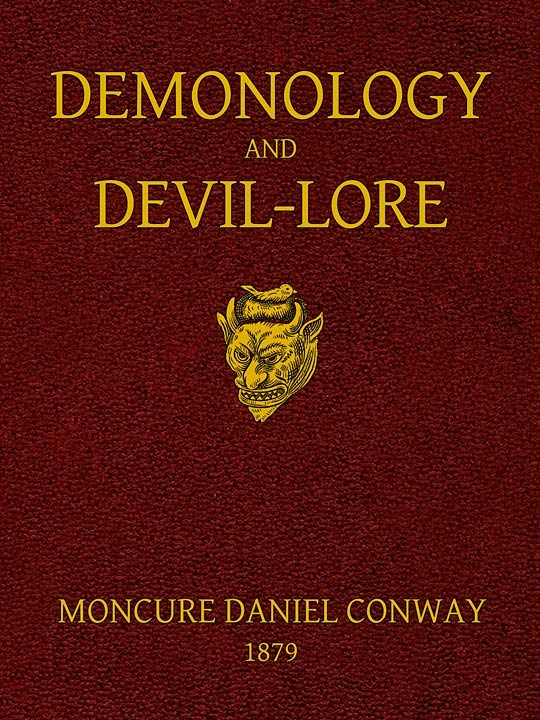
Demonology and Devil-Lore
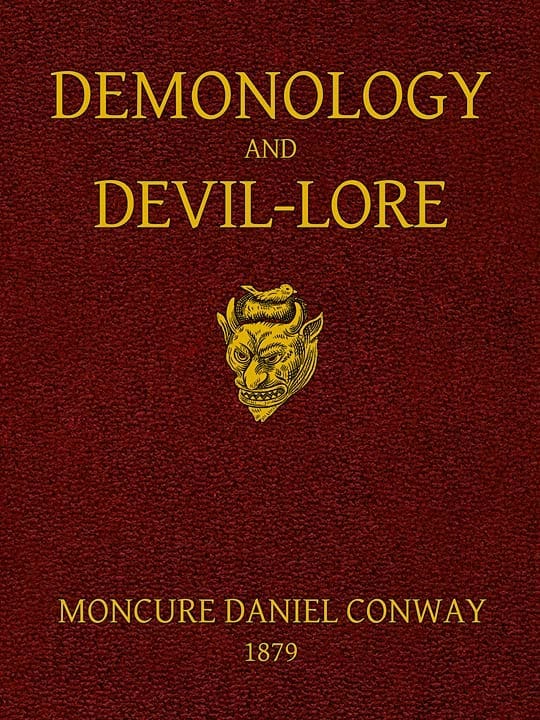
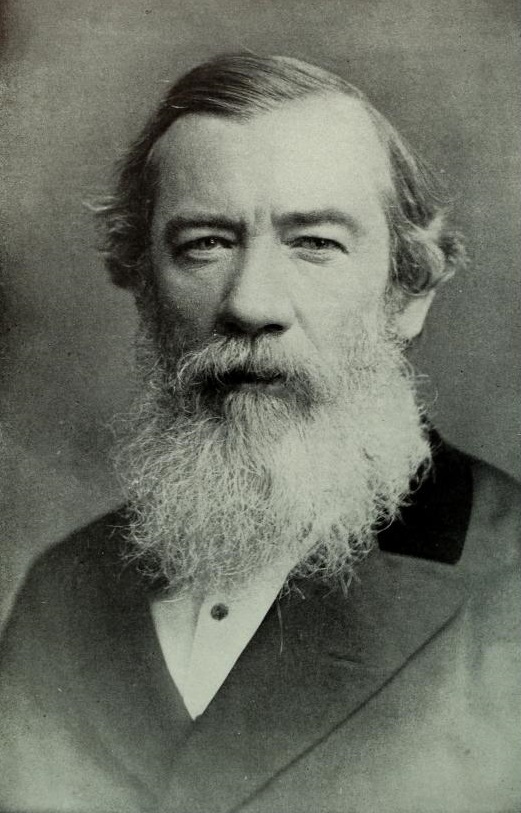
The most striking thing about Conway's 1879 masterwork is the author himself: a ordained minister who wrote this exhaustive study not to confirm the existence of demons, but to anatomize them. Conway approached demonology the way an anatomist approaches a cadaver - with clinical curiosity about what these beliefs reveal about human psychology rather than supernatural dread. This tension between faith and skepticism gives the book its peculiar electricity. Conway traces the metamorphosis of ancient deities into devils, showing how competing religions transformed revered gods into reviled demons. He ranges across Biblical scripture, medieval demonologies, Persian Zoroastrianism, and finally arrives at Goethe's Mephistopheles - the devil as sophisticated intellectual rather than horned brute. The scope is staggering: hundreds of demonic names, classifications, and transformations across centuries. Yet the underlying argument remains clear: these figures say more about human fear and projection than about any supernatural realm. For modern readers, the book operates on two levels. As Victorian scholarship, it offers a window into how educated Victorians tried to rationalize away their inherited mythology. As a skeptical inquiry into what belief in evil reveals about the believer, it feels surprisingly contemporary. Conway could not abandon Christianity's moral framework, but he worked tirelessly to dismantle its supernatural furniture. The result is a thorough, oddly moving document: faith stripped of its demons, but not of its searching intelligence.
Editions
X-Ray
“In the early hymns of India the appellation asuras is given to the gods. Asura means a spirit. But in the process of time asura, like dæmon, came to have a sinister meaning: the gods were called suras, the demons asuras, and these were said to contend together. But in Persia the asuras”
— Moncure Daniel Conway
“Without conceding too much to Solar mythology, it may be pronounced tolerably clear that the earliest emotion of worship was born out of the wonder with which man looked up to the heavens above him. The splendours of the morning and evening; the azure vault, painted with frescoes of cloud or blackened by the storm; the night, crowned with constellations: these awakened imagination, inspired awe, kindled admiration, and at length adoration, in the being who had reached intervals in which his eye was lifted above the earth. Amid the rapture of Vedic hymns to these sublimities we meet sharp questionings whether there be any such gods as the priests say, and suspicion is sometimes cast on sacrifices. The forms that peopled the celestial spaces may have been those of ancestors, kings, and great men, but anterior to all forms was the poetic enthusiasm which built heavenly mansions for them; and the crude cosmogonies of primitive science were probably caught up by this spirit, and consecrated as slowly as scientific generalisations now are.””
— Moncure Daniel Conway
“A large wave now approaches the base of the cliff, and a gigantic bua tree, covered with fragrant blossoms, springs up from Avaiki (nether world) to receive on its far-reaching branches human spirits, who are mysteriously impelled to cluster on its limbs. When at length the mystic tree is covered with human spirits, it goes down with its living freight to the nether world. Akaanga, the slave of fearful Miru, mistress of the invisible world, infallibly catches all these unhappy spirits in his net and laves them to and fro in a lake. In these waters the captive ghosts exhaust themselves by wriggling about like fishes, in the vain hope of escape. The net is pulled up, and the half-drowned spirits enter into the presence of dread Miru, who is ugliness personified. The secret of Miru’s power over her intended victims is the ‘kava’ root (Piper mythisticum). A””
— Moncure Daniel Conway
“Why slay the slain? Such may be the question that will arise in the minds of many who see this book.””
— Moncure Daniel Conway
Link to this book
Add a free, dofollow link to Lex on your blog, forum, syllabus, or reading list.

<a href="https://lex-books.com/book/demonology-and-devil-lore-937aa1d9-9a5d-4ff2-ad01-97d1d03cfd47"><img src="https://lex-books.com/badges/read-on-lex.svg" alt="Read Demonology and Devil-Lore by Moncure Daniel Conway free on Lex" width="160" height="40"></a>[](https://lex-books.com/book/demonology-and-devil-lore-937aa1d9-9a5d-4ff2-ad01-97d1d03cfd47)[url=https://lex-books.com/book/demonology-and-devil-lore-937aa1d9-9a5d-4ff2-ad01-97d1d03cfd47][img]https://lex-books.com/badges/read-on-lex.svg[/img][/url]Read Demonology and Devil-Lore by Moncure Daniel Conway free on Lex: https://lex-books.com/book/demonology-and-devil-lore-937aa1d9-9a5d-4ff2-ad01-97d1d03cfd47Cite this book
Reading this edition for a paper or guide? Copy a citation.
Conway, Moncure Daniel. Demonology and Devil-Lore. Lex, lex-books.com/book/demonology-and-devil-lore-937aa1d9-9a5d-4ff2-ad01-97d1d03cfd47.Conway, M. D. (n.d.). Demonology and Devil-Lore. Lex. https://lex-books.com/book/demonology-and-devil-lore-937aa1d9-9a5d-4ff2-ad01-97d1d03cfd47Conway, Moncure Daniel. Demonology and Devil-Lore. Lex. https://lex-books.com/book/demonology-and-devil-lore-937aa1d9-9a5d-4ff2-ad01-97d1d03cfd47.