Defunto
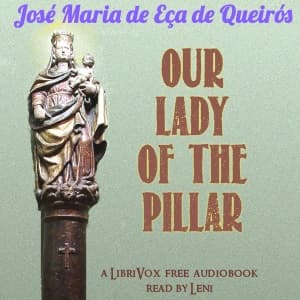
In 1474 Segovia, a city of stone towers and older sins, a gentleman named D. Rui de Cardenas falls hopelessly in love with Dona Leonor, a noblewoman imprisoned by her jealous husband in a house that has become her cage. His devotion to Our Lady of the Pillar offers him no salvation from this consuming passion. When the husband discovers the affair and lays a trap, Rui's path crosses with something far more dangerous than a jealous man: the ghost of a hanged criminal, dead but not gone, who sees in the lover a chance for posthumous redemption. Eça de Queirós, Portugal's master of realist satire, here turns his gaze toward the Gothic mode and finds something extraordinary. The ghost is no mere plot device but a figure of terrible ambiguity, both helper and horror. The story moves through moonlit streets and secret chambers with the uneasy rhythm of a fever dream, questioning what binds the living to the dead, and whether love, like death, can transcend the laws of the living world. It is the author's finest venture into the fantastic, and it lingers like a cold hand on your shoulder long after the final page. For readers who crave Gothic fiction with a literary sensibility, who want their ghost stories served with psychological depth and historical texture.
Editions

Link to this book
Add a free, dofollow link to Lex on your blog, forum, syllabus, or reading list.

<a href="https://lex-books.com/book/defunto-3dcfc832-0722-4dde-a81e-7159e746c5a3"><img src="https://lex-books.com/badges/read-on-lex.svg" alt="Read Defunto by José Maria de Eça de Queirós free on Lex" width="160" height="40"></a>[](https://lex-books.com/book/defunto-3dcfc832-0722-4dde-a81e-7159e746c5a3)[url=https://lex-books.com/book/defunto-3dcfc832-0722-4dde-a81e-7159e746c5a3][img]https://lex-books.com/badges/read-on-lex.svg[/img][/url]Read Defunto by José Maria de Eça de Queirós free on Lex: https://lex-books.com/book/defunto-3dcfc832-0722-4dde-a81e-7159e746c5a3Cite this book
Reading this edition for a paper or guide? Copy a citation.
Queirós, José Maria de Eça de. Defunto. Lex, lex-books.com/book/defunto-3dcfc832-0722-4dde-a81e-7159e746c5a3.Queirós, J. M. D. E. D. (n.d.). Defunto. Lex. https://lex-books.com/book/defunto-3dcfc832-0722-4dde-a81e-7159e746c5a3Queirós, José Maria de Eça de. Defunto. Lex. https://lex-books.com/book/defunto-3dcfc832-0722-4dde-a81e-7159e746c5a3.