Death Be Not Proud

Death Be Not Proud is one of John Donne's most ferocious Holy Sonnets, a 14-line assault on mortality itself. Written in the early 1600s, the poem takes the radical step of addressing Death as a personified antagonist, then systematically dismantling its power. The speaker tells Death it should not be proud, not because death is unimportant, but because it is merely a form of sleep and rest, a brief cessation from which the dead shall awaken. Donne, the master of metaphysical wit, layers the poem with paradox and theological conviction, arguing that through Christ's own death and resurrection, the finality of death has been shattered. The lines crackle with intellectual ferocity: 'Death, thou shalt die.' It has endured for four centuries not as mere religious propaganda but as a fierce human refusal to accept extinction. Donne gives voice to the universal desire to face the unknown without trembling. This is poetry as defiance.
Editions

Read by
Group Narration
11 readers
Andrew Miller, Annie Coleman Rothenberg, Dreama Lynn, Graham Williams +7 more
Link to this book
Add a free, dofollow link to Lex on your blog, forum, syllabus, or reading list.

<a href="https://lex-books.com/book/death-be-not-proud-0894d559-6f2c-491b-97b0-180f2300759a"><img src="https://lex-books.com/badges/read-on-lex.svg" alt="Read Death Be Not Proud by John Donne free on Lex" width="160" height="40"></a>[](https://lex-books.com/book/death-be-not-proud-0894d559-6f2c-491b-97b0-180f2300759a)[url=https://lex-books.com/book/death-be-not-proud-0894d559-6f2c-491b-97b0-180f2300759a][img]https://lex-books.com/badges/read-on-lex.svg[/img][/url]Read Death Be Not Proud by John Donne free on Lex: https://lex-books.com/book/death-be-not-proud-0894d559-6f2c-491b-97b0-180f2300759aCite this book
Reading this edition for a paper or guide? Copy a citation.
Donne, John. Death Be Not Proud. Lex, lex-books.com/book/death-be-not-proud-0894d559-6f2c-491b-97b0-180f2300759a.Donne, J. (n.d.). Death Be Not Proud. Lex. https://lex-books.com/book/death-be-not-proud-0894d559-6f2c-491b-97b0-180f2300759aDonne, John. Death Be Not Proud. Lex. https://lex-books.com/book/death-be-not-proud-0894d559-6f2c-491b-97b0-180f2300759a.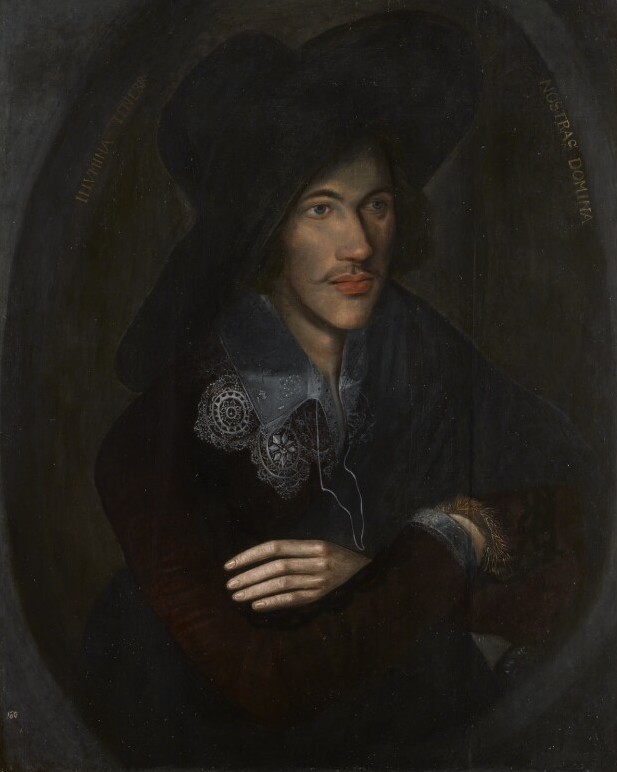





![Birds and Nature, Vol. 12 No. 1 [June 1902]illustrated by Color Photography](/_next/image?url=https%3A%2F%2Fd3b2n8gj62qnwr.cloudfront.net%2FCOVERS%2Fgutenberg_covers75k%2Febook-47881.png&w=3840&q=75)