Concerning the Spiritual in Art
1911
Concerning the Spiritual in Art
1911
Translated by Michael Sadleir
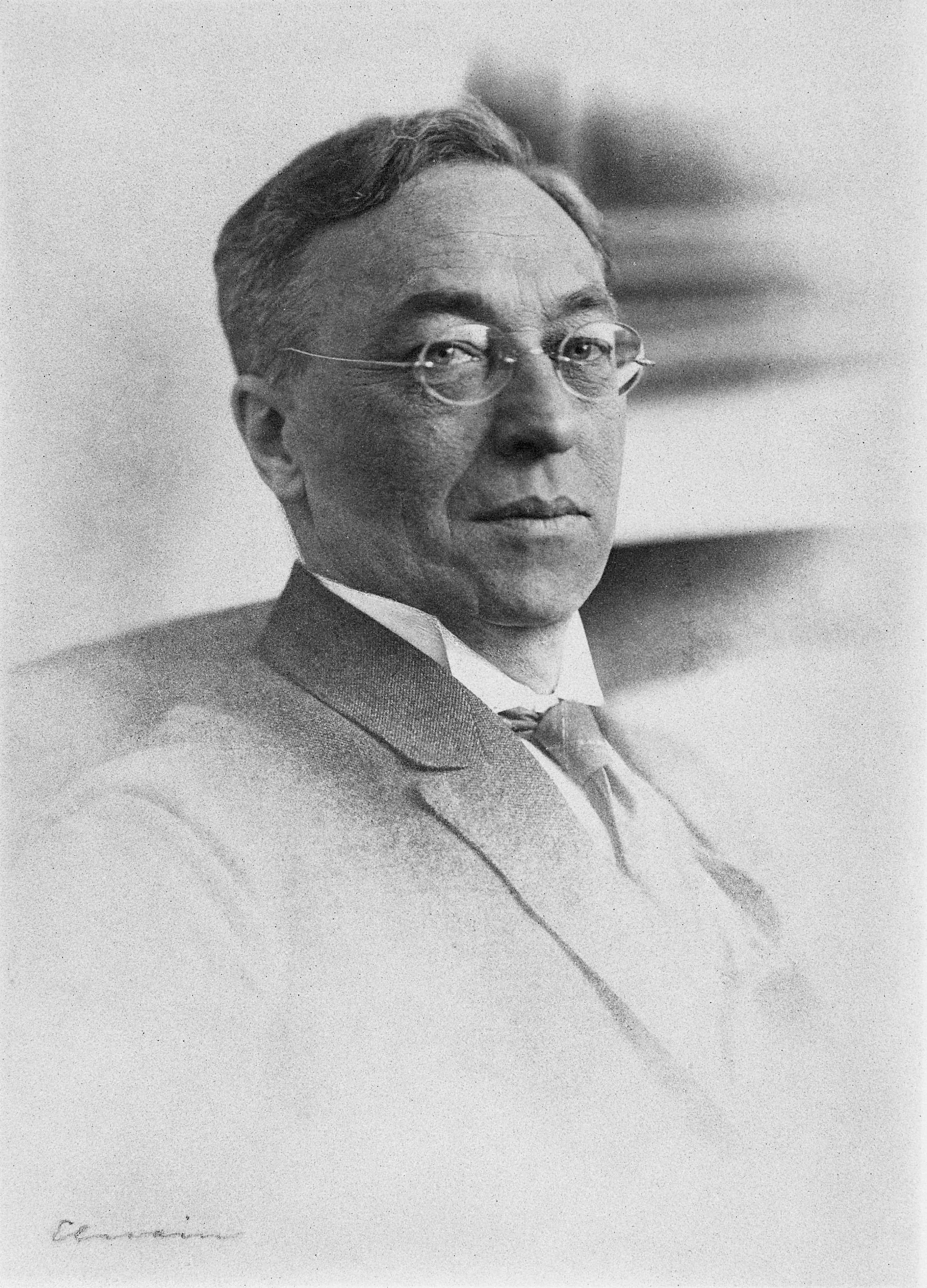
At its core, this book makes one radical claim: art exists to speak to the soul, not to imitate the eye. Written in 1911 as European painting still wrestled with representation, Kandinsky's treatise argues that the artist's function is not to copy nature but to release the spiritual vibrations hidden within color, line, and form. He calls this the "inner necessity" , the force that compels true creation. Kandinsky maps the spiritual life of his era onto a triangle, where the leading edge of artistic vision moves ahead of public understanding, and analyzes color with almost musical precision: yellow pierces, blue deepens, violet mourns. He dismisses "art for art's sake" as aesthetic isolation and champions art as spiritual discipline, capable of awakening deeper truths in the viewer. This is the founding document of abstract art, the moment painting declared its independence from the visible world. A century later, it remains essential reading for anyone who wants to understand why modern art broke from representation , and what that rupture was really about.
Editions
Link to this book
Add a free, dofollow link to Lex on your blog, forum, syllabus, or reading list.

<a href="https://lex-books.com/book/concerning-the-spiritual-in-art-246793a7-f769-49fa-b8fe-c29e77a2df8f"><img src="https://lex-books.com/badges/read-on-lex.svg" alt="Read Concerning the Spiritual in Art by Wassily Kandinsky free on Lex" width="160" height="40"></a>[](https://lex-books.com/book/concerning-the-spiritual-in-art-246793a7-f769-49fa-b8fe-c29e77a2df8f)[url=https://lex-books.com/book/concerning-the-spiritual-in-art-246793a7-f769-49fa-b8fe-c29e77a2df8f][img]https://lex-books.com/badges/read-on-lex.svg[/img][/url]Read Concerning the Spiritual in Art by Wassily Kandinsky free on Lex: https://lex-books.com/book/concerning-the-spiritual-in-art-246793a7-f769-49fa-b8fe-c29e77a2df8fCite this book
Reading this edition for a paper or guide? Copy a citation.
Kandinsky, Wassily. Concerning the Spiritual in Art. Lex, lex-books.com/book/concerning-the-spiritual-in-art-246793a7-f769-49fa-b8fe-c29e77a2df8f.Kandinsky, W. (1911). Concerning the Spiritual in Art. Lex. https://lex-books.com/book/concerning-the-spiritual-in-art-246793a7-f769-49fa-b8fe-c29e77a2df8fKandinsky, Wassily. Concerning the Spiritual in Art. Lex. https://lex-books.com/book/concerning-the-spiritual-in-art-246793a7-f769-49fa-b8fe-c29e77a2df8f.