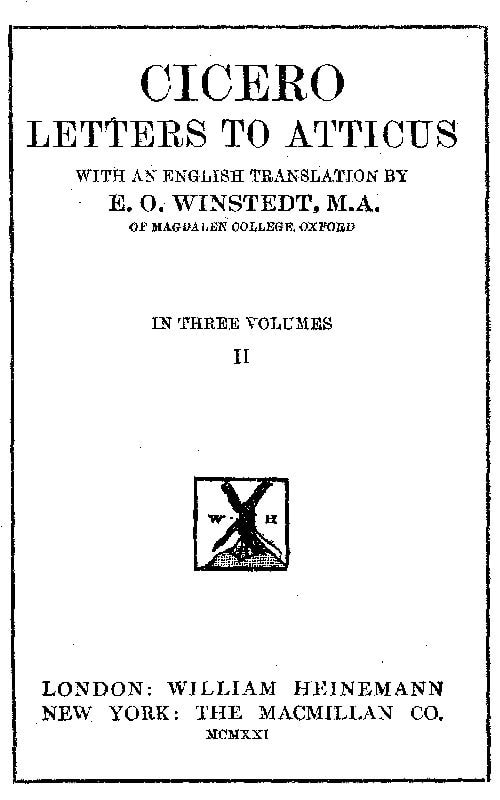
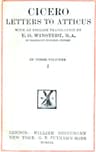
Cicero: Letters to Atticus, Vol. 2 of 3
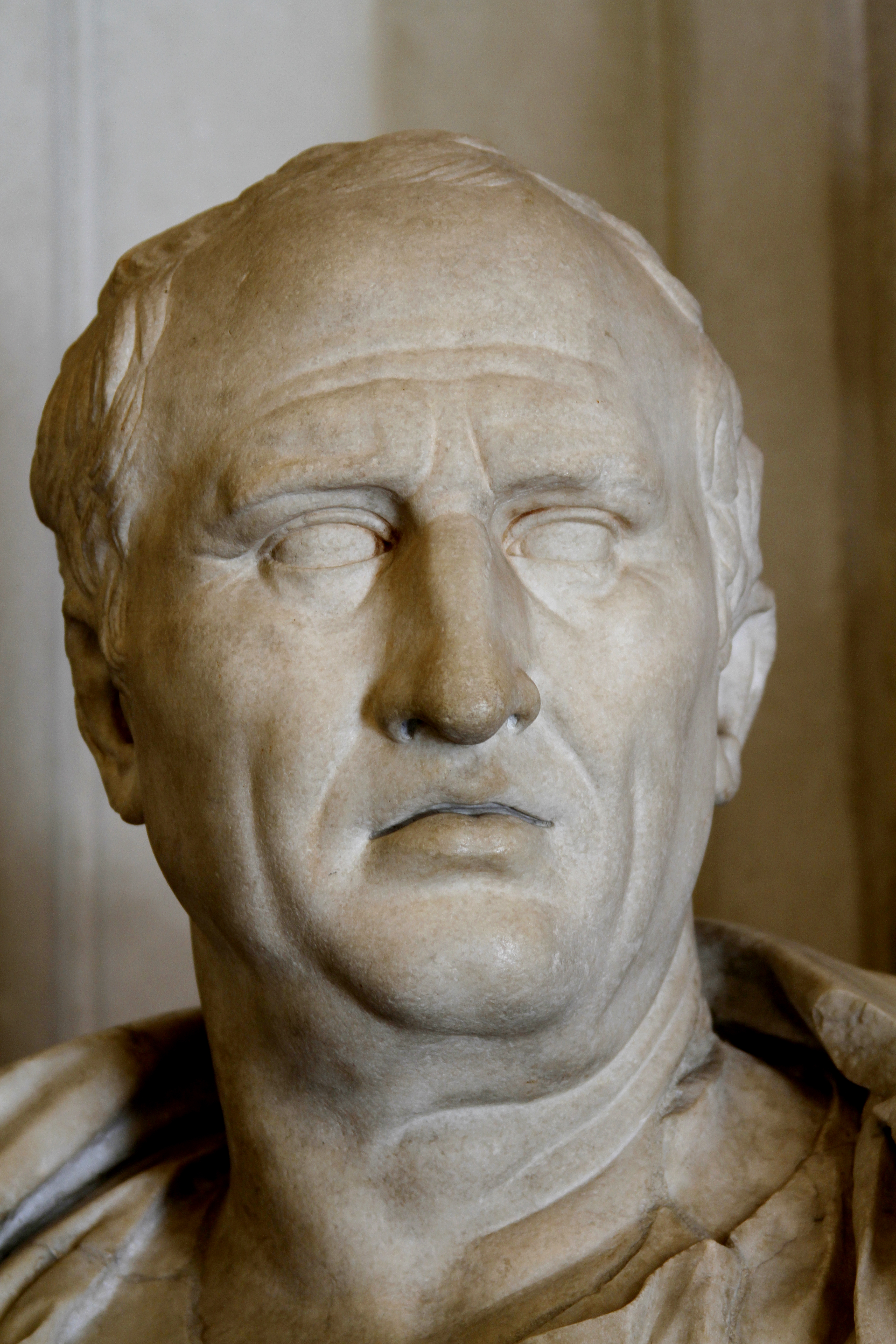
What you hold is not history written in retrospect. It is a man in crisis, writing to his oldest friend, in real time, as the Roman Republic bleeds out. Marcus Tullius Cicero was the most famous orator in Rome, a philosopher who believed reason could govern human affairs. Then everything collapsed. Caesar crossed the Rubicon. Civil war erupted. And Cicero found himself trapped between loyalties, terrified of the consequences no matter which side won. These letters to Atticus were never meant for publication. They are the closest thing we have to a first-person diary from the ancient world, and they reveal a man far more complex than the marble busts suggest. We see him anxious about his reputation, afraid for his life, caught between his republican convictions and his desperate need to survive. He complains about his health, asks after Atticus's family, and watches the Republic he loved become a memory. Two thousand years later, these letters remain startlingly immediate. Cicero's fears about power, loyalty, and political chaos sound less like ancient history and more like our own time.
Editions
X-Ray
“There is also a tradition about Socrates. He liked walking, it is recorded, until a late hour of the evening, and when someone asked him why he did this he said he was trying to work up an appetite for his dinner.””
— Marcus Tullius Cicero
“Fieri autem potest ut recte quis sentiat et id, quod sentit, polite eloqui non possit; sed mandare quemquam litteris cogitationes suas, qui eas nec disponere nec illustrare possit nec delectatione aliqua adlicere lectorem, hominis est intemperanter abutentis et otio et litteris.””
— Marcus Tullius Cicero
Link to this book
Add a free, dofollow link to Lex on your blog, forum, syllabus, or reading list.

<a href="https://lex-books.com/book/cicero-letters-to-atticus-vol-2-of-3-eb8ed5df-6b3b-414c-a50a-c09551b92dd3"><img src="https://lex-books.com/badges/read-on-lex.svg" alt="Read Cicero: Letters to Atticus, Vol. 2 of 3 by Marcus Tullius Cicero free on Lex" width="160" height="40"></a>[](https://lex-books.com/book/cicero-letters-to-atticus-vol-2-of-3-eb8ed5df-6b3b-414c-a50a-c09551b92dd3)[url=https://lex-books.com/book/cicero-letters-to-atticus-vol-2-of-3-eb8ed5df-6b3b-414c-a50a-c09551b92dd3][img]https://lex-books.com/badges/read-on-lex.svg[/img][/url]Read Cicero: Letters to Atticus, Vol. 2 of 3 by Marcus Tullius Cicero free on Lex: https://lex-books.com/book/cicero-letters-to-atticus-vol-2-of-3-eb8ed5df-6b3b-414c-a50a-c09551b92dd3Cite this book
Reading this edition for a paper or guide? Copy a citation.
Cicero, Marcus Tullius. Cicero: Letters to Atticus, Vol. 2 of 3. Lex, lex-books.com/book/cicero-letters-to-atticus-vol-2-of-3-eb8ed5df-6b3b-414c-a50a-c09551b92dd3.Cicero, M. T. (n.d.). Cicero: Letters to Atticus, Vol. 2 of 3. Lex. https://lex-books.com/book/cicero-letters-to-atticus-vol-2-of-3-eb8ed5df-6b3b-414c-a50a-c09551b92dd3Cicero, Marcus Tullius. Cicero: Letters to Atticus, Vol. 2 of 3. Lex. https://lex-books.com/book/cicero-letters-to-atticus-vol-2-of-3-eb8ed5df-6b3b-414c-a50a-c09551b92dd3.