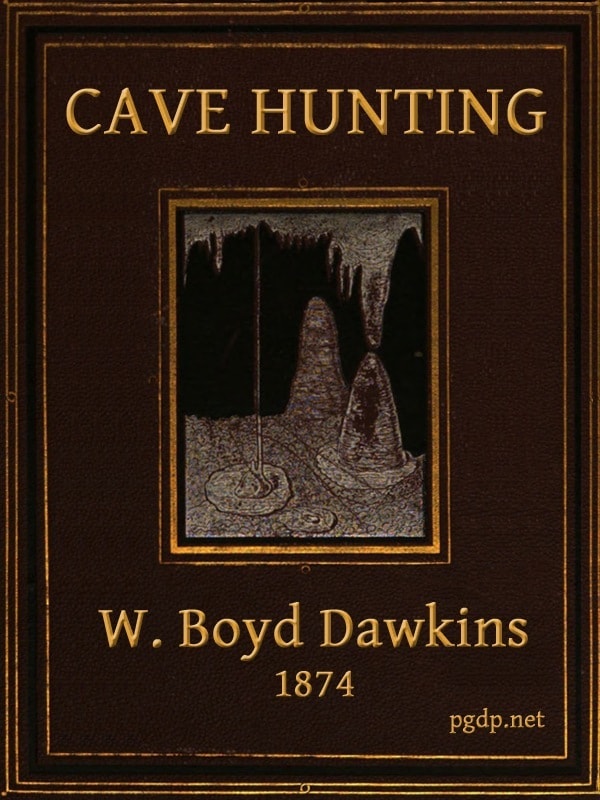
Cave Huntingresearches on the Evidence of Caves Respecting the Early Inhabitants of Europe
1874
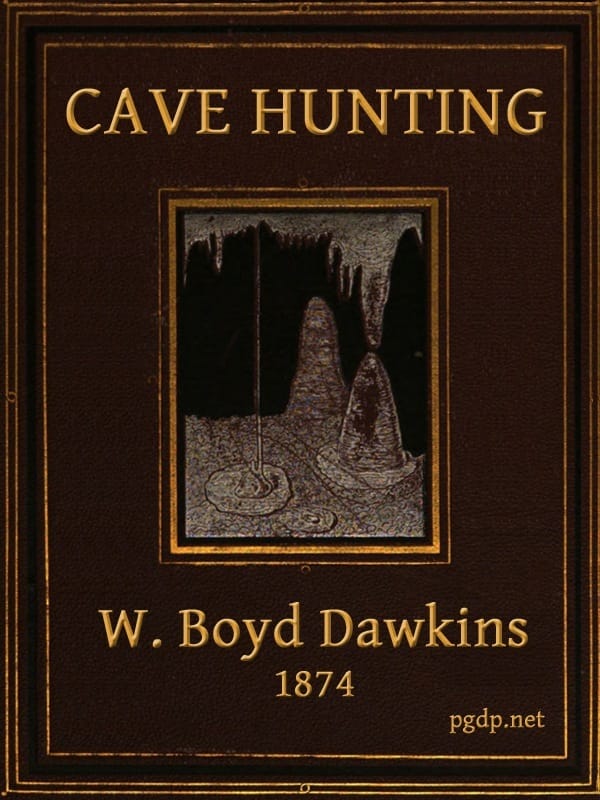
Cave Huntingresearches on the Evidence of Caves Respecting the Early Inhabitants of Europe
1874
A scientific publication written in the late 19th century. The book explores the findings and implications of cave exploration, focusing on the evidence these caves provide regarding early human inhabitants of Europe. It delves into the historical and archaeological significance of various cave sites across Europe, revealing how these locations serve as valuable windows into humanity's distant past. The opening of the text sets the stage for a comprehensive study of caves as crucial archaeological sites. Dawkins introduces the exploration of cave systems as an emerging field of inquiry and outlines the importance of integrating historical, geological, and biological perspectives to understand the lives of ancient peoples and the wildlife they interacted with. He references significant discoveries made since the early 19th century, such as the human relics found alongside extinct animals, and provides an overview of the book's intent to synthesize and present this information in a coherent narrative, highlighting various cave explorations across Europe that contribute to our understanding of prehistoric life.
Editions
X-Ray
The author and primary cave explorer, a geologist and curator at Owens College, Manchester. He systematically investigates caves across Britain and Europe to understand early human habitation.
Pioneer of cave exploration who published 'Reliquiæ Diluvianæ' in 1822. His work at Kirkdale Cave laid the foundation for scientific cave hunting in Britain.
Anatomist who provided detailed analysis of human skeletal remains from the caves. His work was crucial in identifying racial characteristics and dating the finds.
Early explorer of Kent's Hole who first discovered flint implements alongside extinct animal bones, though his findings were initially rejected by the scientific community.
About Cave Huntingresearches on the Evidence of Caves Respecting the Early Inhabitants of Europe
Chapter Summaries
- 1
- Dawkins introduces cave exploration as both adventure and science, discussing legends and superstitions surrounding caves before outlining the physical and biological divisions of cave study. He establishes the three classes of bone-caves (Historic, Prehistoric, Pleistocene) and provides a comprehensive history of cave exploration across Europe.
- 2
- A detailed examination of cave formation through water erosion and chemical action, using examples from Wookey Hole, Ingleborough, and other British caves. Dawkins explains how caves, pot-holes, and ravines are formed by the same processes, and discusses the relationship between caves and surface topography.
- 3
- Focuses on the Victoria Cave and other caves occupied during the Romano-Celtic period (5th-6th centuries AD). Dawkins analyzes animal remains, coins, jewelry, and other artifacts to reconstruct the lives of Brit-Welsh peoples who used caves as refuges during the English invasion.
Key Themes
- Scientific Method and Evidence
- The work demonstrates the importance of systematic observation, careful documentation, and collaborative verification in establishing scientific truth. Dawkins shows how initial skepticism about human antiquity was overcome through rigorous methodology.
- Human Antiquity and Evolution
- A central theme exploring the deep history of human habitation in Europe, challenging contemporary beliefs about human origins and demonstrating coexistence with extinct animals through archaeological evidence.
- Cultural Continuity and Change
- The book traces cultural development from Paleolithic cave dwellers through Neolithic, Bronze, and Iron Age peoples to historic times, showing both continuity and dramatic changes in human society.
Characters
- William Boyd Dawkins(protagonist)
- The author and primary cave explorer, a geologist and curator at Owens College, Manchester. He systematically investigates caves across Britain and Europe to understand early human habitation.
- Dr. William Buckland(major)
- Pioneer of cave exploration who published 'Reliquiæ Diluvianæ' in 1822. His work at Kirkdale Cave laid the foundation for scientific cave hunting in Britain.
- Professor Busk(major)
- Anatomist who provided detailed analysis of human skeletal remains from the caves. His work was crucial in identifying racial characteristics and dating the finds.
- Rev. J. McEnery(major)
- Early explorer of Kent's Hole who first discovered flint implements alongside extinct animal bones, though his findings were initially rejected by the scientific community.
- Professor Phillips(major)
- Dawkins' mentor and friend who provided guidance and counsel. He contributed significantly to understanding cave formation and Yorkshire geology.
- Mr. Joseph Jackson(major)
- Discoverer of the Victoria Cave in 1838 who found the first Romano-Celtic artifacts. He supervised later excavations and made numerous important finds.
Link to this book
Add a free, dofollow link to Lex on your blog, forum, syllabus, or reading list.

<a href="https://lex-books.com/book/cave-huntingresearches-on-the-evidence-of-caves-respecting-the-early-inhabitants-effad708-1461-4fa3-84b3-813d22937749"><img src="https://lex-books.com/badges/read-on-lex.svg" alt="Read Cave Huntingresearches on the Evidence of Caves Respecting the Early Inhabitants of Europe by William Boyd Dawkins free on Lex" width="160" height="40"></a>[](https://lex-books.com/book/cave-huntingresearches-on-the-evidence-of-caves-respecting-the-early-inhabitants-effad708-1461-4fa3-84b3-813d22937749)[url=https://lex-books.com/book/cave-huntingresearches-on-the-evidence-of-caves-respecting-the-early-inhabitants-effad708-1461-4fa3-84b3-813d22937749][img]https://lex-books.com/badges/read-on-lex.svg[/img][/url]Read Cave Huntingresearches on the Evidence of Caves Respecting the Early Inhabitants of Europe by William Boyd Dawkins free on Lex: https://lex-books.com/book/cave-huntingresearches-on-the-evidence-of-caves-respecting-the-early-inhabitants-effad708-1461-4fa3-84b3-813d22937749Cite this book
Reading this edition for a paper or guide? Copy a citation.
Dawkins, William Boyd. Cave Huntingresearches on the Evidence of Caves Respecting the Early Inhabitants of Europe. Lex, lex-books.com/book/cave-huntingresearches-on-the-evidence-of-caves-respecting-the-early-inhabitants-effad708-1461-4fa3-84b3-813d22937749.Dawkins, W. B. (1874). Cave Huntingresearches on the Evidence of Caves Respecting the Early Inhabitants of Europe. Lex. https://lex-books.com/book/cave-huntingresearches-on-the-evidence-of-caves-respecting-the-early-inhabitants-effad708-1461-4fa3-84b3-813d22937749Dawkins, William Boyd. Cave Huntingresearches on the Evidence of Caves Respecting the Early Inhabitants of Europe. Lex. https://lex-books.com/book/cave-huntingresearches-on-the-evidence-of-caves-respecting-the-early-inhabitants-effad708-1461-4fa3-84b3-813d22937749.