Captivity of Nearly Three Years Among the Savages of Nootka Sound
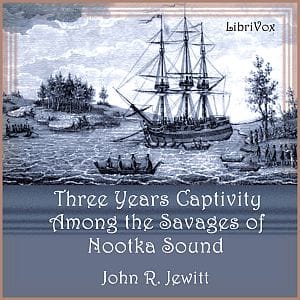
In 1803, a British trading vessel was attacked off Vancouver Island, and its crew murdered. John R. Jewitt, the ship's armorer, was spared by the Nuu-chah-nulth chief Maquinna on one condition: that he become the chief's personal blacksmith, repairing muskets and crafting weapons and tools. Thus began nearly three years of captivity among the people the colonists called 'savages.' What could have been a simple tale of survival becomes something far richer. Jewitt lived inside a society entirely foreign to European eyes, documenting its customs, hierarchies, and daily rhythms with the curious attentiveness of a man who had no choice but to understand his captors. He observed their ceremonies, learned their language, and was slowly transformed by the experience. This memoir, first published in 1815, stands as one of the earliest and most detailed European accounts of the Pacific Northwest's indigenous peoples. It is a document of genuine anthropological value, though complicated by its author's position as a prisoner and by the colonial assumptions of its era. For readers interested in early North American history, cross-cultural encounter, or the captivity narrative tradition, Jewitt's account remains a fascinating window into a world that no longer exists.
Editions

Link to this book
Add a free, dofollow link to Lex on your blog, forum, syllabus, or reading list.

<a href="https://lex-books.com/book/captivity-of-nearly-three-years-among-the-savages-of-nootka-sound-3c3b2251-d9a7-4693-bfe6-d3c5fa924274"><img src="https://lex-books.com/badges/read-on-lex.svg" alt="Read Captivity of Nearly Three Years Among the Savages of Nootka Sound by John R. Jewitt free on Lex" width="160" height="40"></a>[](https://lex-books.com/book/captivity-of-nearly-three-years-among-the-savages-of-nootka-sound-3c3b2251-d9a7-4693-bfe6-d3c5fa924274)[url=https://lex-books.com/book/captivity-of-nearly-three-years-among-the-savages-of-nootka-sound-3c3b2251-d9a7-4693-bfe6-d3c5fa924274][img]https://lex-books.com/badges/read-on-lex.svg[/img][/url]Read Captivity of Nearly Three Years Among the Savages of Nootka Sound by John R. Jewitt free on Lex: https://lex-books.com/book/captivity-of-nearly-three-years-among-the-savages-of-nootka-sound-3c3b2251-d9a7-4693-bfe6-d3c5fa924274Cite this book
Reading this edition for a paper or guide? Copy a citation.
Jewitt, John R.. Captivity of Nearly Three Years Among the Savages of Nootka Sound. Lex, lex-books.com/book/captivity-of-nearly-three-years-among-the-savages-of-nootka-sound-3c3b2251-d9a7-4693-bfe6-d3c5fa924274.Jewitt, J. R. (n.d.). Captivity of Nearly Three Years Among the Savages of Nootka Sound. Lex. https://lex-books.com/book/captivity-of-nearly-three-years-among-the-savages-of-nootka-sound-3c3b2251-d9a7-4693-bfe6-d3c5fa924274Jewitt, John R.. Captivity of Nearly Three Years Among the Savages of Nootka Sound. Lex. https://lex-books.com/book/captivity-of-nearly-three-years-among-the-savages-of-nootka-sound-3c3b2251-d9a7-4693-bfe6-d3c5fa924274.


