Buddenbrooks

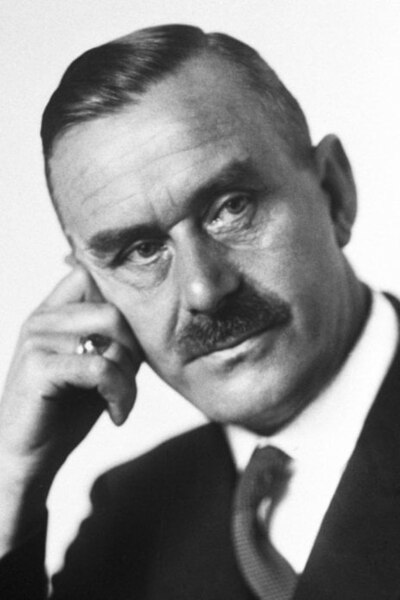
Published in 1901, 'Buddenbrooks' is Thomas Mann's first novel, which earned him the Nobel Prize in Literature in 1929. The story chronicles the decline of the Buddenbrook family, a bourgeois family running a wholesale grain business in Lübeck, Germany, over four generations during the 19th century. The novel explores the tension between individual aspirations and familial obligations against the backdrop of societal changes. Notably, it is regarded as the first great novel of the 20th century and draws heavily from Mann's own family history.
Editions

Audiobook
Human narrated
Link to this book
Add a free, dofollow link to Lex on your blog, forum, syllabus, or reading list.

HTML
<a href="https://lex-books.com/book/buddenbrooks-9e3452ab-27c6-4058-bfd8-35505164745c"><img src="https://lex-books.com/badges/read-on-lex.svg" alt="Read Buddenbrooks by Thomas Mann free on Lex" width="160" height="40"></a>Markdown
[](https://lex-books.com/book/buddenbrooks-9e3452ab-27c6-4058-bfd8-35505164745c)BBCode
[url=https://lex-books.com/book/buddenbrooks-9e3452ab-27c6-4058-bfd8-35505164745c][img]https://lex-books.com/badges/read-on-lex.svg[/img][/url]Plain link
Read Buddenbrooks by Thomas Mann free on Lex: https://lex-books.com/book/buddenbrooks-9e3452ab-27c6-4058-bfd8-35505164745cCite this book
Reading this edition for a paper or guide? Copy a citation.
MLA
Mann, Thomas. Buddenbrooks. Lex, lex-books.com/book/buddenbrooks-9e3452ab-27c6-4058-bfd8-35505164745c.APA
Mann, T. (n.d.). Buddenbrooks. Lex. https://lex-books.com/book/buddenbrooks-9e3452ab-27c6-4058-bfd8-35505164745cChicago
Mann, Thomas. Buddenbrooks. Lex. https://lex-books.com/book/buddenbrooks-9e3452ab-27c6-4058-bfd8-35505164745c.