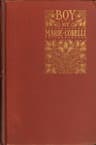
Boy: A Sketch
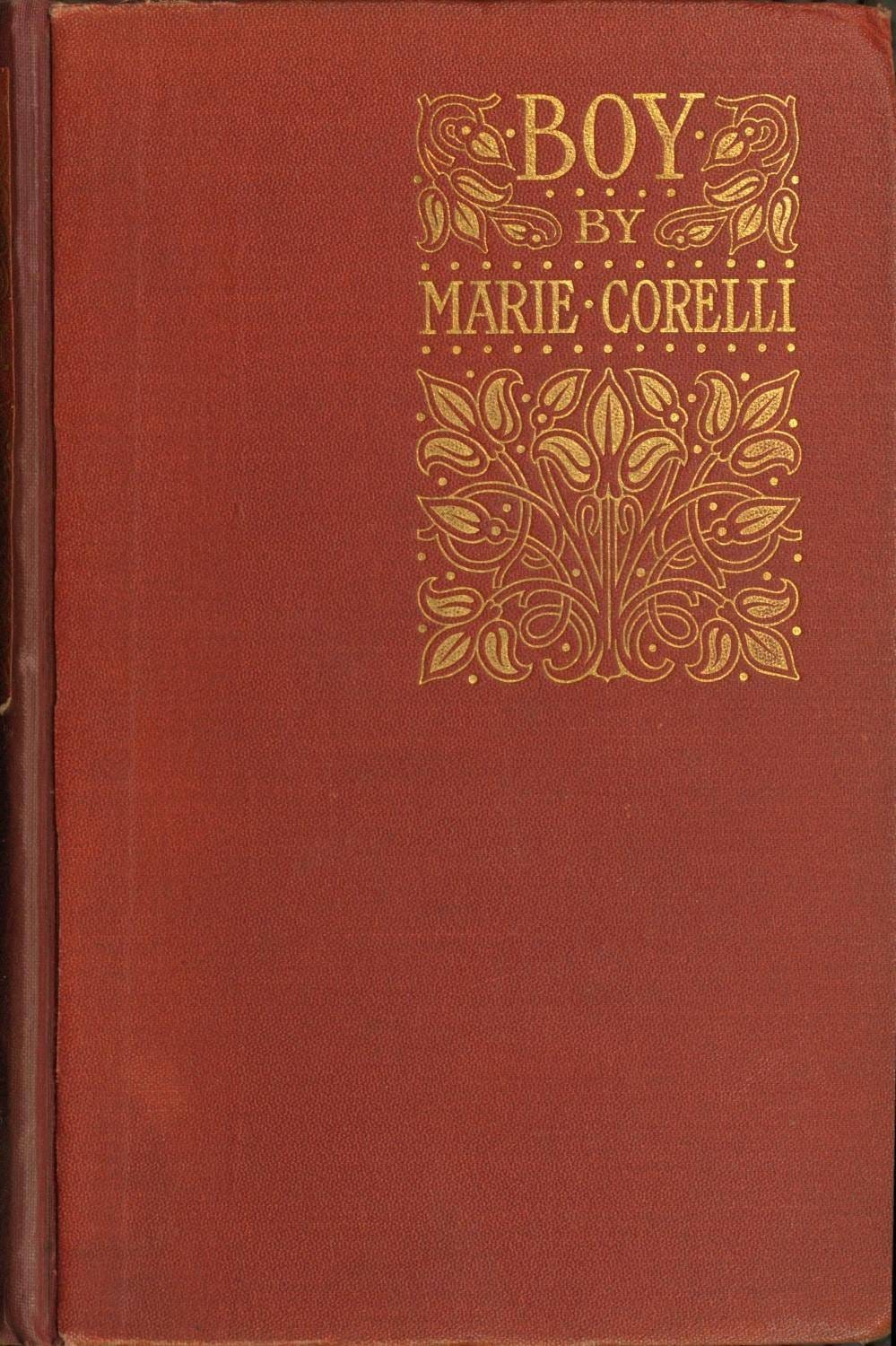
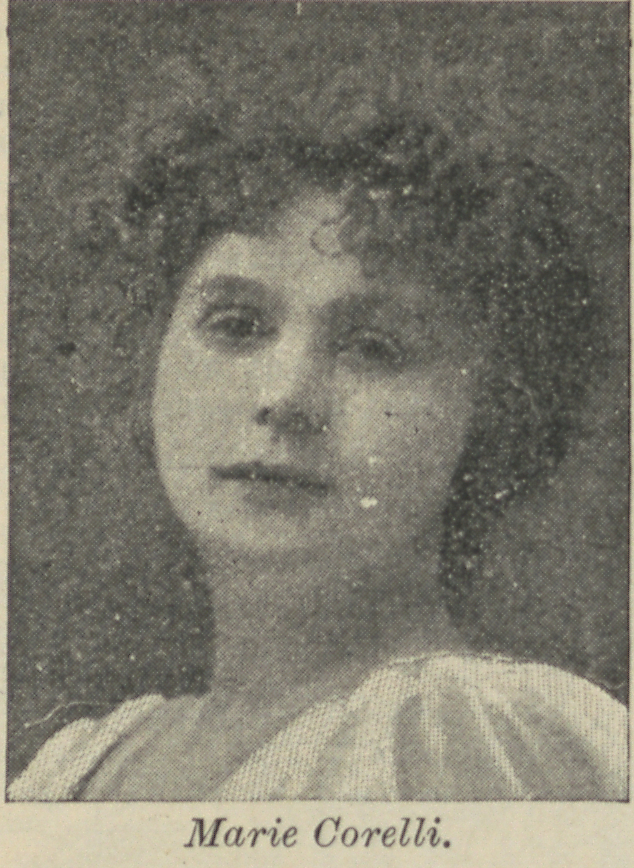
Marie Corelli, the Victorian era's most borrowed library author, turned her formidable narrative powers toward the smallest and most vulnerable of characters in this poignant sketch. "Boy" is a child of privilege in name only, his parents, the Honourable D'Arcy-Muirs, are negligent aristocrats who provide their son with everything except love, attention, or moral guidance. The novel follows this infant from his earliest moments in a feeding-chair through his formative years, tracing how first impressions of worthlessness can calcify into lifelong disillusionment. Corelli, known for her romantic excesses, here channels her talents into something quieter and more devastating: a portrait of innocence systematically abandoned by those who should cherish it most. What makes this short work linger is its double edge. On one level, it's a tender exploration of childhood consciousness, the way a baby perceives rejection, the questions a young mind forms when met only with indifference. Yet Corelli cannot resist using Boy as a lens for broader critique: the moral bankruptcy lurking beneath aristocratic respectability, the self-absorption of parents who produce children as accessories rather than as beings worthy of devotion. The chaos and disorder of Boy's home stands in stark contrast to the order and propriety his parents' station demands. For readers who know Corelli only through her famous romances, this sketch reveals her range and her willingness to engage with uncomfortable truths about Victorian society. It's a brief, melancholy work that rewards those interested in how literature once tackled the silent suffering of children.
Editions
Link to this book
Add a free, dofollow link to Lex on your blog, forum, syllabus, or reading list.

<a href="https://lex-books.com/book/boy-a-sketch-6c321fb9-ee7f-4d9e-9288-36d428d915b8"><img src="https://lex-books.com/badges/read-on-lex.svg" alt="Read Boy: A Sketch by Marie Corelli free on Lex" width="160" height="40"></a>[](https://lex-books.com/book/boy-a-sketch-6c321fb9-ee7f-4d9e-9288-36d428d915b8)[url=https://lex-books.com/book/boy-a-sketch-6c321fb9-ee7f-4d9e-9288-36d428d915b8][img]https://lex-books.com/badges/read-on-lex.svg[/img][/url]Read Boy: A Sketch by Marie Corelli free on Lex: https://lex-books.com/book/boy-a-sketch-6c321fb9-ee7f-4d9e-9288-36d428d915b8Cite this book
Reading this edition for a paper or guide? Copy a citation.
Corelli, Marie. Boy: A Sketch. Lex, lex-books.com/book/boy-a-sketch-6c321fb9-ee7f-4d9e-9288-36d428d915b8.Corelli, M. (n.d.). Boy: A Sketch. Lex. https://lex-books.com/book/boy-a-sketch-6c321fb9-ee7f-4d9e-9288-36d428d915b8Corelli, Marie. Boy: A Sketch. Lex. https://lex-books.com/book/boy-a-sketch-6c321fb9-ee7f-4d9e-9288-36d428d915b8.