Bible (DRV) Apocrypha/Deuterocanon: Additions to Esther
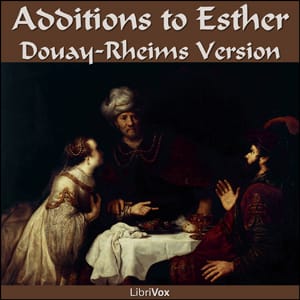
The Greek translation of Esther, known as the Septuagint, contains six additional chapters absent from the Hebrew original. These insertions address what ancient scholars perceived as a glaring omission: the Book of Esther never explicitly names God. The additions weave prayers, divine visions, and explicit theological reflection into the narrative of Jewish survival in Persia, transforming a tale of political intrigue into something more explicitly spiritual. Jerome recognized these chapters as later Greek embellishments and placed them at the end of his Latin Vulgate (chapters 10:4-16:24), preserving the Hebrew canonical order while acknowledging their distinct status. The Douay-Rheims Version follows this arrangement, offering English readers access to the fuller, Greek-influenced text that Catholic and Orthodox traditions have long valued. For those exploring the deuterocanonical scriptures, these additions illuminate how ancient communities wrestled with the book's spiritual meaning, and why Esther's story of hidden providence eventually needed to speak God's name aloud.
Editions

Link to this book
Add a free, dofollow link to Lex on your blog, forum, syllabus, or reading list.

<a href="https://lex-books.com/book/bible-drv-apocrypha-deuterocanon-additions-to-esther-24bb0aab-b735-4c32-b017-9889c5baa0e3"><img src="https://lex-books.com/badges/read-on-lex.svg" alt="Read Bible (DRV) Apocrypha/Deuterocanon: Additions to Esther by Douay-Rheims Version (DRV) free on Lex" width="160" height="40"></a>[](https://lex-books.com/book/bible-drv-apocrypha-deuterocanon-additions-to-esther-24bb0aab-b735-4c32-b017-9889c5baa0e3)[url=https://lex-books.com/book/bible-drv-apocrypha-deuterocanon-additions-to-esther-24bb0aab-b735-4c32-b017-9889c5baa0e3][img]https://lex-books.com/badges/read-on-lex.svg[/img][/url]Read Bible (DRV) Apocrypha/Deuterocanon: Additions to Esther by Douay-Rheims Version (DRV) free on Lex: https://lex-books.com/book/bible-drv-apocrypha-deuterocanon-additions-to-esther-24bb0aab-b735-4c32-b017-9889c5baa0e3Cite this book
Reading this edition for a paper or guide? Copy a citation.
(DRV), Douay-Rheims Version. Bible (DRV) Apocrypha/Deuterocanon: Additions to Esther. Lex, lex-books.com/book/bible-drv-apocrypha-deuterocanon-additions-to-esther-24bb0aab-b735-4c32-b017-9889c5baa0e3.(DRV), D. V. (n.d.). Bible (DRV) Apocrypha/Deuterocanon: Additions to Esther. Lex. https://lex-books.com/book/bible-drv-apocrypha-deuterocanon-additions-to-esther-24bb0aab-b735-4c32-b017-9889c5baa0e3(DRV), Douay-Rheims Version. Bible (DRV) Apocrypha/Deuterocanon: Additions to Esther. Lex. https://lex-books.com/book/bible-drv-apocrypha-deuterocanon-additions-to-esther-24bb0aab-b735-4c32-b017-9889c5baa0e3.