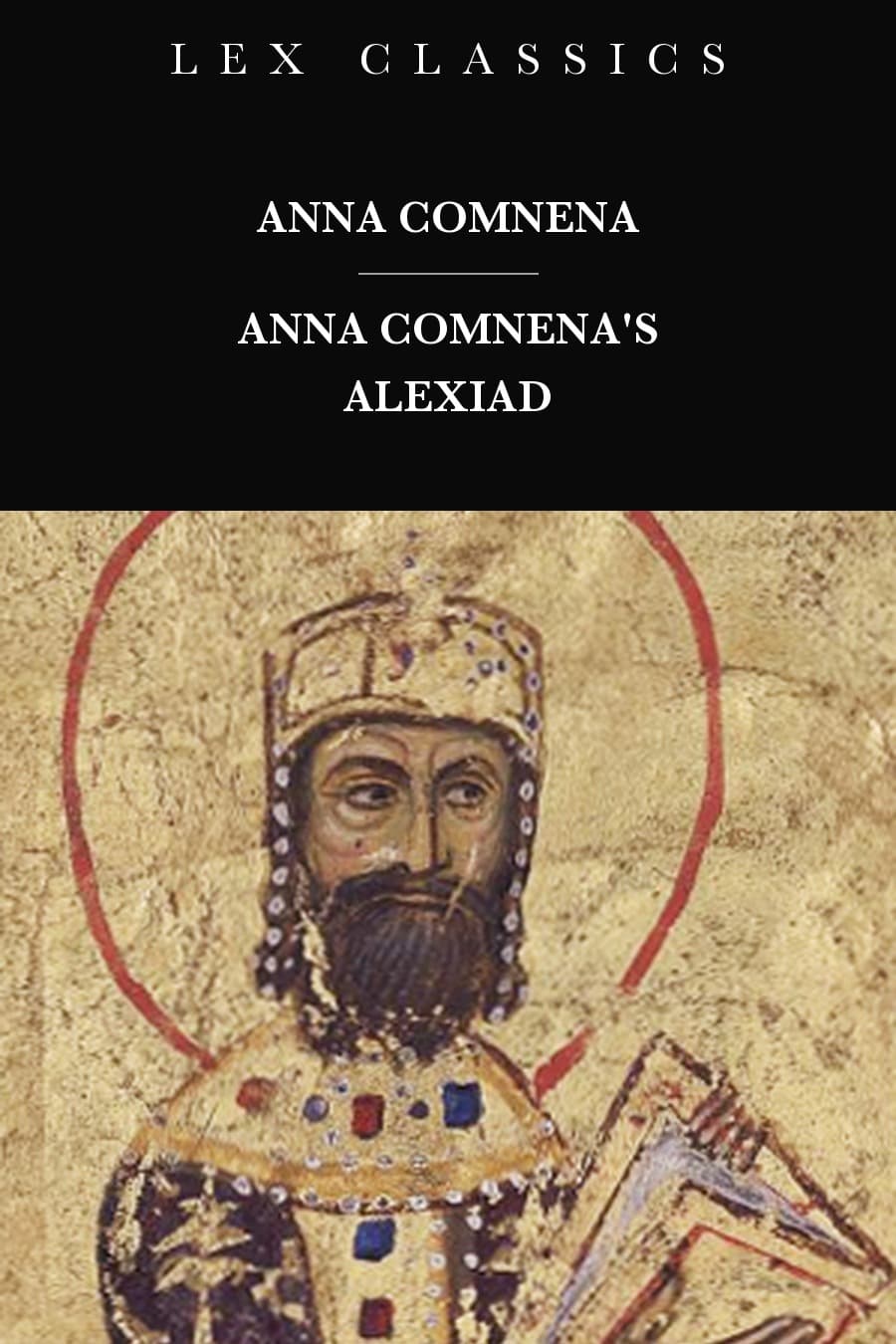
Anna Comnena's Alexiad
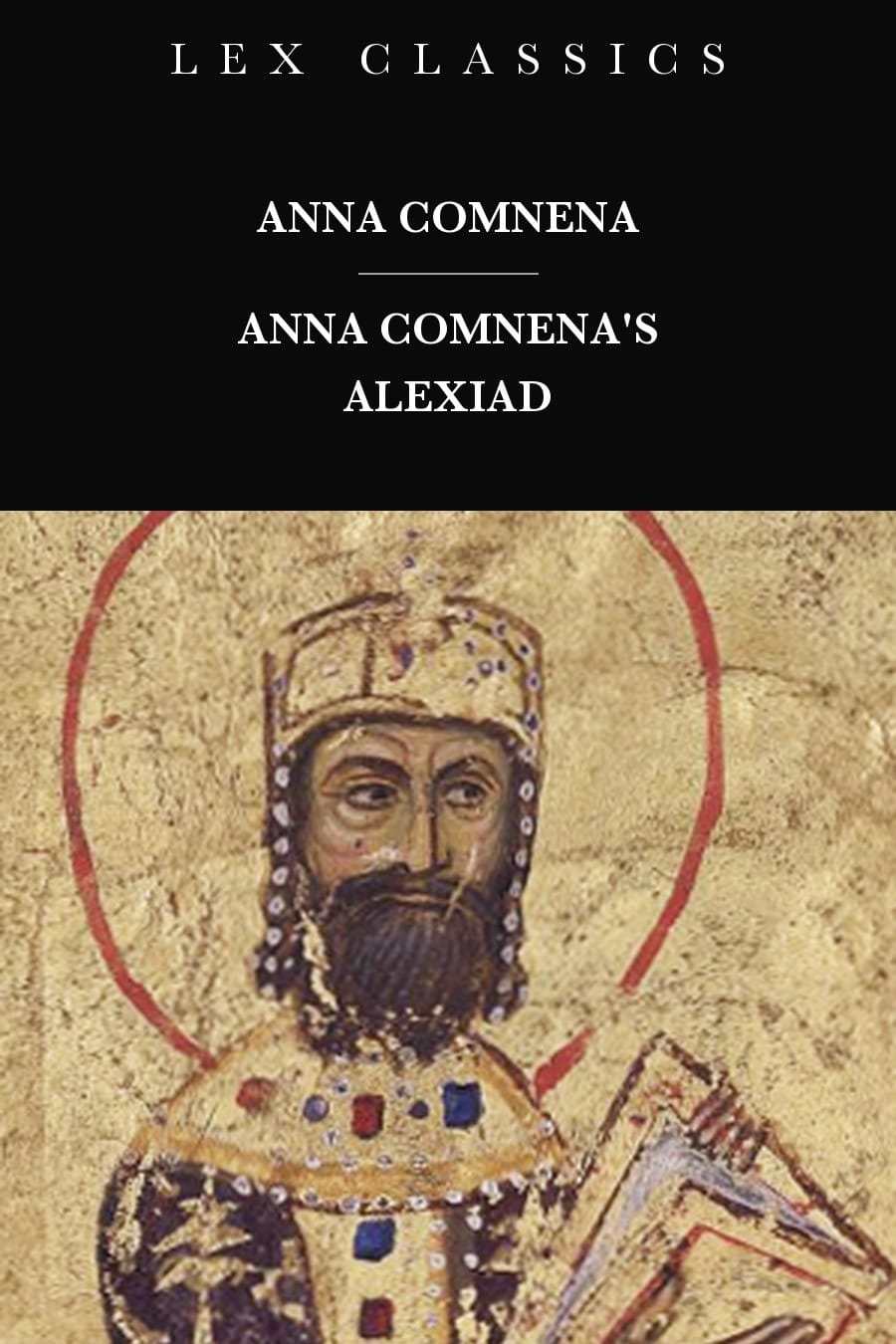
The Alexiad, penned by the Byzantine princess Anna Comnena around 1148, serves as a crucial historical and biographical account of the Byzantine Empire during the reign of her father, Emperor Alexios I Komnenos, from 1081 to 1118. This work is particularly significant as it provides a detailed narrative of the political and military landscape of the empire during a tumultuous period marked by the First Crusade, conflicts with the Normans, and encounters with the Turks. As one of the few primary sources from this era, the Alexiad offers invaluable insights into Byzantine history and the complexities of its interactions with neighboring powers. Written in an artificial Attic Greek style that reflects the influences of classical historians like Thucydides and Xenophon, Anna's narrative is both rich in detail and imbued with her personal perspective. While her loyalty to her father may introduce a degree of bias, the Alexiad remains a vital eyewitness account of the First Crusade, capturing the intricacies of Byzantine politics and military strategies. Historians and readers alike appreciate the work not only for its historical content but also for its literary merit, making it a cornerstone of Byzantine literature and a key resource for understanding the dynamics of the High Middle Ages.
Editions

X-Ray
Byzantine emperor (1081–1118), founder of the Komnenian restoration. Anna's father and the central subject of the Alexiad. Portrayed as a brilliant general, diplomat, and pious ruler who saved the empire from collapse, fought Normans and Turks, and managed the First Crusade.
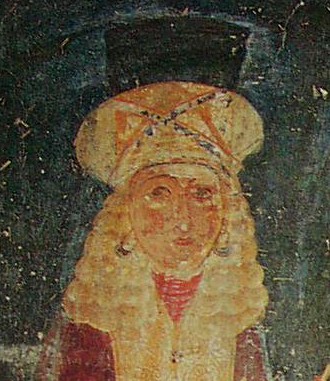
Byzantine princess, historian, and author of the Alexiad. Eldest daughter of Alexios and Irene. Educated in literature and philosophy. After her father's death she was passed over for the succession in favor of her brother John; she wrote the Alexiad late in life from a convent.
Byzantine empress, wife of Alexios I and mother of Anna Comnena. Powerful figure in court politics; supported Anna and Nikephoros Bryennios for the succession. Anna portrays her as virtuous and devoted to the emperor.
Norman prince, son of Robert Guiscard. Led Norman forces in the First Crusade, took Antioch, and later invaded the empire again. Forced to submit to Alexios at the Treaty of Devol (1108), becoming his vassal for Antioch. Anna depicts him as cunning, ambitious, and ultimately defeated by her father's strategy.
About Anna Comnena's Alexiad
Chapter Summaries
- Preface
- Anna Comnena introduces herself and her project: a history of her father Emperor Alexios I Komnenos. She defends her qualifications, explains her access to events and documents, and sets out her aim to write a truthful account free from flattery. She addresses potential critics and establishes the work as both history and tribute.
- Book I
- Alexios Komnenos and the Doukas family conspire against Emperor Nikephoros III Botaneiates. Anna describes the troubled state of the empire, rebellions, and the march on Constantinople. Alexios is proclaimed emperor and enters the capital; Irene Doukaina becomes empress. The narrative establishes the dynasty's claim to legitimacy.
- Book II
- Robert Guiscard and the Normans invade the Balkans. Alexios faces multiple threats: Normans in the west, Turks in the east, and domestic unrest. The emperor's military reforms and alliances are described. Anna emphasizes his personal courage and strategic genius in the face of overwhelming odds.
Key Themes
- Legitimacy and dynasty
- The Alexiad is fundamentally concerned with justifying the Komnenian seizure of power and portraying Alexios as the rightful savior of the empire. Anna emphasizes her father's virtue, divine favor, and the legitimacy of his line.
- Byzantine versus Latin (West)
- The work contrasts Byzantine civilization, piety, and strategy with Latin (crusader) barbarism, greed, and unreliability. Anna both fears and grudgingly admires the crusaders' military power.
- Piety and divine favor
- Alexios is repeatedly shown as devout and reliant on God; victories are attributed to divine aid and justice. Heresy and impiety are condemned.
Characters
- Alexios I Komnenos(protagonist)
- Byzantine emperor (1081–1118), founder of the Komnenian restoration. Anna's father and the central subject of the Alexiad. Portrayed as a brilliant general, diplomat, and pious ruler who saved the empire from collapse, fought Normans and Turks, and managed the First Crusade.
- Anna Comnena(major)
- Byzantine princess, historian, and author of the Alexiad. Eldest daughter of Alexios and Irene. Educated in literature and philosophy. After her father's death she was passed over for the succession in favor of her brother John; she wrote the Alexiad late in life from a convent.
- Irene Doukaina(major)
- Byzantine empress, wife of Alexios I and mother of Anna Comnena. Powerful figure in court politics; supported Anna and Nikephoros Bryennios for the succession. Anna portrays her as virtuous and devoted to the emperor.
- Bohemond(antagonist)
- Norman prince, son of Robert Guiscard. Led Norman forces in the First Crusade, took Antioch, and later invaded the empire again. Forced to submit to Alexios at the Treaty of Devol (1108), becoming his vassal for Antioch. Anna depicts him as cunning, ambitious, and ultimately defeated by her father's strategy.
- Robert Guiscard(antagonist)
- Duke of Apulia and Calabria, Norman invader of the Balkans. Launched a major invasion against the empire; his death in 1085 relieved Byzantine forces. Anna presents him as a formidable but ultimately thwarted enemy.
- Godfrey of Bouillon(major)
- One of the principal leaders of the First Crusade, later first ruler of the Kingdom of Jerusalem (Advocatus Sancti Sepulchri). Anna describes his dealings with Alexios, including oaths of fealty and the crusaders' passage through Byzantine territory.
Link to this book
Add a free, dofollow link to Lex on your blog, forum, syllabus, or reading list.

<a href="https://lex-books.com/book/anna-comnena-s-alexiad-5ffbfec9-16cb-46b4-8a41-f558032a797f"><img src="https://lex-books.com/badges/read-on-lex.svg" alt="Read Anna Comnena's Alexiad by Anna Comnena free on Lex" width="160" height="40"></a>[](https://lex-books.com/book/anna-comnena-s-alexiad-5ffbfec9-16cb-46b4-8a41-f558032a797f)[url=https://lex-books.com/book/anna-comnena-s-alexiad-5ffbfec9-16cb-46b4-8a41-f558032a797f][img]https://lex-books.com/badges/read-on-lex.svg[/img][/url]Read Anna Comnena's Alexiad by Anna Comnena free on Lex: https://lex-books.com/book/anna-comnena-s-alexiad-5ffbfec9-16cb-46b4-8a41-f558032a797fCite this book
Reading this edition for a paper or guide? Copy a citation.
Comnena, Anna. Anna Comnena's Alexiad. Lex, lex-books.com/book/anna-comnena-s-alexiad-5ffbfec9-16cb-46b4-8a41-f558032a797f.Comnena, A. (n.d.). Anna Comnena's Alexiad. Lex. https://lex-books.com/book/anna-comnena-s-alexiad-5ffbfec9-16cb-46b4-8a41-f558032a797fComnena, Anna. Anna Comnena's Alexiad. Lex. https://lex-books.com/book/anna-comnena-s-alexiad-5ffbfec9-16cb-46b4-8a41-f558032a797f.