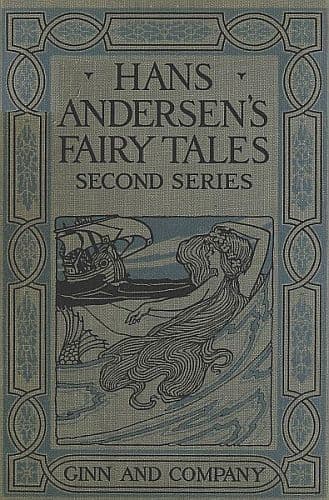
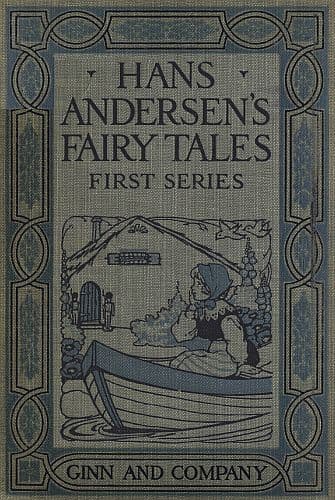
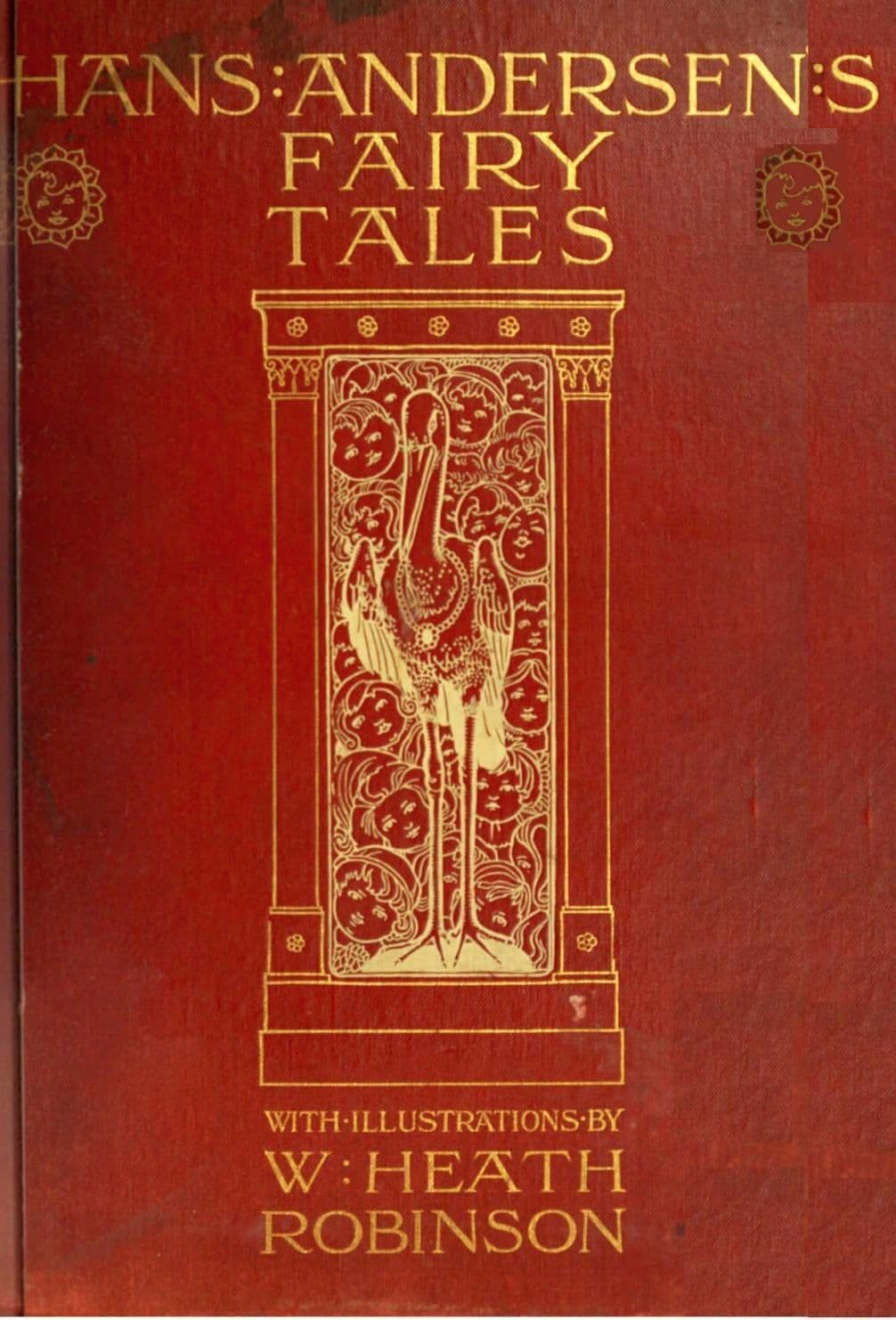
Andersen's Fairy Tales
Andersen's Fairy Tales
Hans Christian Andersen's fairy tales are not the gentle stories you remember from childhood cartoons. They are something far stranger and more profound: glittering fables that cut to the bone of what it means to want, to suffer, and to be seen. In "The Little Match Girl," a child freezes to death on a winter street while dreaming of warmth and her dead grandmother. In "The Snow Queen," a girl must cross frozen wilderness to rescue the boy whose heart has turned to ice. In "The Red Shoes," a girl cannot stop dancing, even after her feet are cut off. These are tales of transformation, sacrifice, and the terrible price of beauty. Yet Andersen, writing in 19th-century Denmark, never loses his sense of wonder. The emperor who parades naked through the streets, the ugly duckling who becomes a swan, the little mermaid who trades her voice for legs that bleed with every step these stories have burrowed into the world's imagination for two centuries. They endure because they tell children hard truths about being human while giving adults permission to grieve what they lost in growing up.
Editions
X-Ray
“But a mermaid has no tears, and therefore she suffers so much more.””
— H. C. Andersen
“She laughed and danced with the thought of death in her heart.””
— H. C. Andersen
“Never had she danced so beautifully; the sharp knives cut her feet, but she did not feel it, for the pain in her heart was far greater.””
— H. C. Andersen
“I know what you want. It is very stupid of you, but you shall have your way, and it will bring you to sorrow, my pretty princess. - The sea witch.””
— H. C. Andersen
“Then your tail will divide and shrink until it becomes what the people on earth call a pair of shapely legs. But it will hurt; it will feel as if a sharp sword slashed through you. Everyone who sees you will say that you are the most graceful human being they have ever laid eyes on, for you will keep your gliding movement and no dancer will be able to tread as lightly as you. But every step you take will feel as if you were treading upon knife blades so sharp that blood must flow. I am willing to help you, but are you willing to suffer all this?""Yes," the little mermaid said in a trembling voice, as she thought of the Prince and of gaining a human soul.””
— H. C. Andersen
“At first she was overjoyed that he would be with her, but then she recalled that human people could not live under the water, and he could only visit her father's palace as a dead man.””
— H. C. Andersen
“We have no immortal souls; we have no future life; we are just like the green sea-weed, which, once cut down, can never revive again! Men, on the other hand, have a soul which lives for ever, lives after the body has become dust; it rises through the clear air, up to the shining stars!””
— H. C. Andersen
“mermaids have no tears, and therefore they suffer more.””
— H. C. Andersen
“Now he is certainly sailing above, he on whom my wishes hang, and in whose hand I should like to lay my life's happiness. I will dare everything to win him and an immortal soul.””
— H. C. Andersen
Link to this book
Add a free, dofollow link to Lex on your blog, forum, syllabus, or reading list.

<a href="https://lex-books.com/book/andersen-s-fairy-tales-8b01c139-69b6-4b4b-94ae-131028369abf"><img src="https://lex-books.com/badges/read-on-lex.svg" alt="Read Andersen's Fairy Tales by H. C. Andersen free on Lex" width="160" height="40"></a>[](https://lex-books.com/book/andersen-s-fairy-tales-8b01c139-69b6-4b4b-94ae-131028369abf)[url=https://lex-books.com/book/andersen-s-fairy-tales-8b01c139-69b6-4b4b-94ae-131028369abf][img]https://lex-books.com/badges/read-on-lex.svg[/img][/url]Read Andersen's Fairy Tales by H. C. Andersen free on Lex: https://lex-books.com/book/andersen-s-fairy-tales-8b01c139-69b6-4b4b-94ae-131028369abfCite this book
Reading this edition for a paper or guide? Copy a citation.
Andersen, H. C.. Andersen's Fairy Tales. Lex, lex-books.com/book/andersen-s-fairy-tales-8b01c139-69b6-4b4b-94ae-131028369abf.Andersen, H. C. (n.d.). Andersen's Fairy Tales. Lex. https://lex-books.com/book/andersen-s-fairy-tales-8b01c139-69b6-4b4b-94ae-131028369abfAndersen, H. C.. Andersen's Fairy Tales. Lex. https://lex-books.com/book/andersen-s-fairy-tales-8b01c139-69b6-4b4b-94ae-131028369abf.