Analects of Confucius
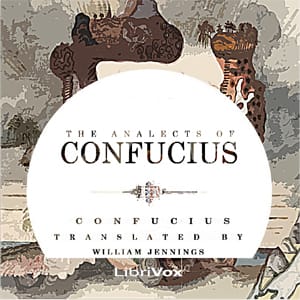
The Analects is not a philosophy book in the abstract sense. It's a record of conversations, observations, and hard-won wisdom from a man who lived in turbulent times and wanted to understand how humans could live together in harmony. Compiled by Confucius's disciples after his death around 475-221 BC, these twenty books contain his thoughts on virtue, governance, learning, and relationships. He speaks about the "gentleman" (junzi) as an ideal, about filial piety, about the importance of self-correction, about learning not as memorization but as moral improvement. Some passages are single sentences that have sustained empires: "Do not do to others what you do not want done to yourself." Others are brief exchanges with disciples asking how to rule, how to behave, how to become better. This text shaped an entire civilization's self-understanding, and its influence still echoes in modern Chinese culture, Korean society, Japanese business ethics, and beyond. For readers who want to understand the foundational ideas that built one of the world's great traditions, this is where it begins.
Editions

Link to this book
Add a free, dofollow link to Lex on your blog, forum, syllabus, or reading list.

<a href="https://lex-books.com/book/analects-of-confucius-62927276-c966-4147-a120-f42406b9ccb0"><img src="https://lex-books.com/badges/read-on-lex.svg" alt="Read Analects of Confucius by Confucius 孔子 free on Lex" width="160" height="40"></a>[](https://lex-books.com/book/analects-of-confucius-62927276-c966-4147-a120-f42406b9ccb0)[url=https://lex-books.com/book/analects-of-confucius-62927276-c966-4147-a120-f42406b9ccb0][img]https://lex-books.com/badges/read-on-lex.svg[/img][/url]Read Analects of Confucius by Confucius 孔子 free on Lex: https://lex-books.com/book/analects-of-confucius-62927276-c966-4147-a120-f42406b9ccb0Cite this book
Reading this edition for a paper or guide? Copy a citation.
孔子, Confucius. Analects of Confucius. Lex, lex-books.com/book/analects-of-confucius-62927276-c966-4147-a120-f42406b9ccb0.孔子, C. (n.d.). Analects of Confucius. Lex. https://lex-books.com/book/analects-of-confucius-62927276-c966-4147-a120-f42406b9ccb0孔子, Confucius. Analects of Confucius. Lex. https://lex-books.com/book/analects-of-confucius-62927276-c966-4147-a120-f42406b9ccb0.