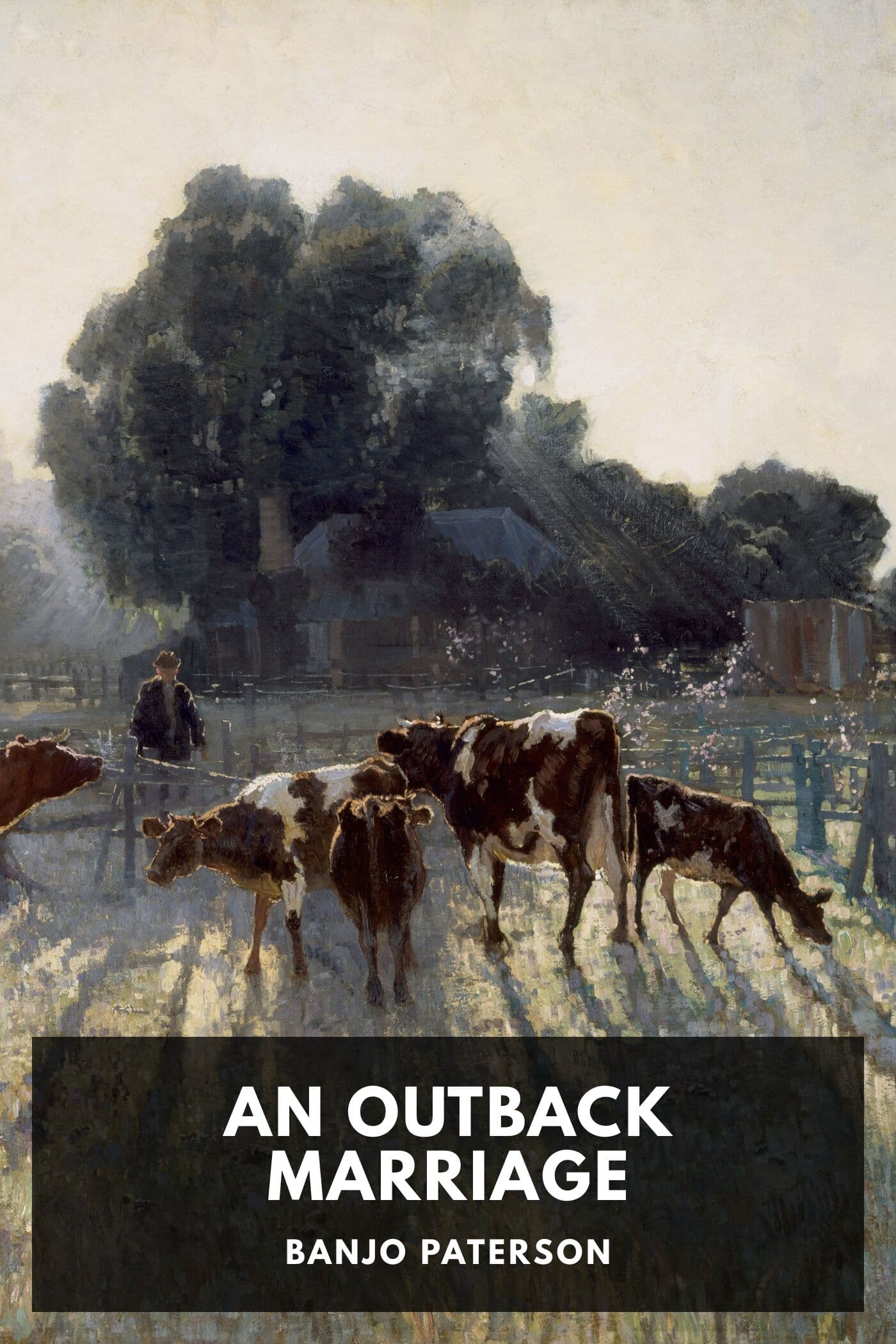
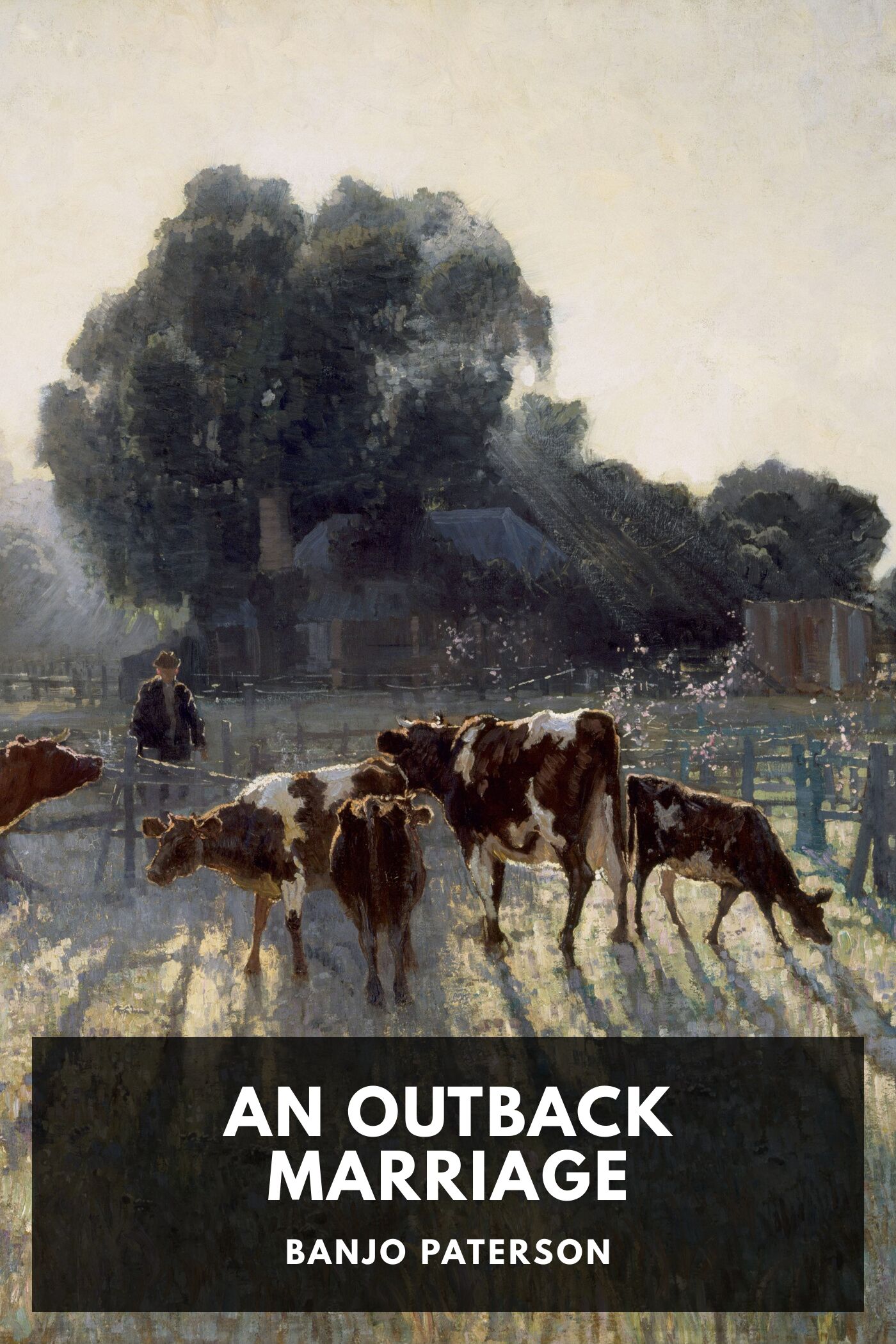
An Outback Marriage
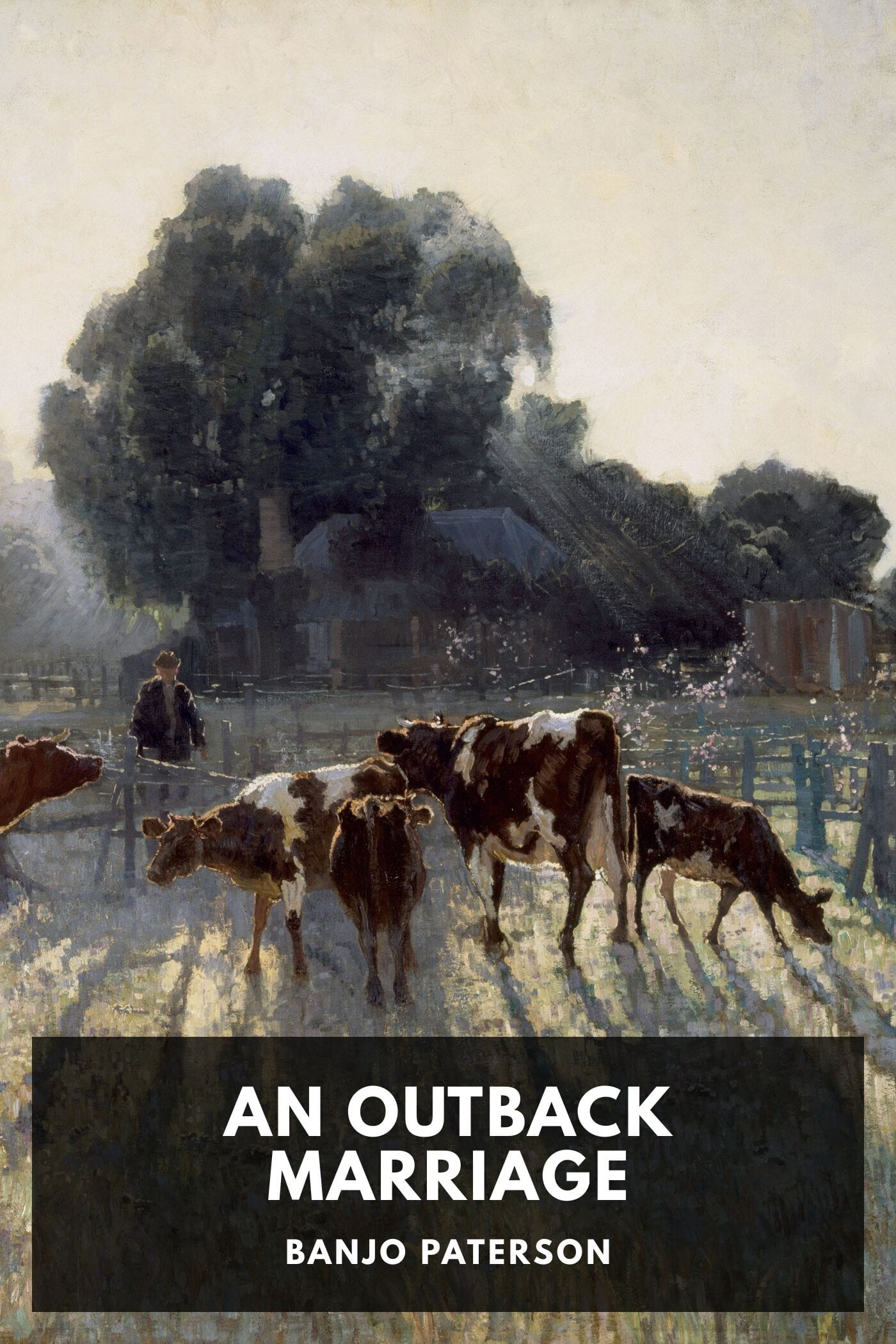
In Banjo Paterson's rollicking debut novel, we meet the formidable Miss Edith Harrington, a young Englishwoman of means whose father, an Australian pastoralist, dispatches her to the rugged Kuryong station to learn the ropes of station life. Simultaneously, a desperate search unfolds across the desolate, sun-baked expanses of regional New South Wales for the missing heir of a wealthy uncle. These two narrative threads, one of self-discovery and the other of urgent quest, converge in a delightful collision of characters and circumstances, offering a humorous yet insightful look at the enduring values of family, marriage, and the sheer grit required to thrive in the Australian Outback. Published after a string of widely celebrated poems, *An Outback Marriage* showcases Paterson's signature wit and deep affection for the Australian landscape and its inhabitants. It's a charming, turn-of-the-century window into colonial life, blending romance with adventure and a distinctly Australian sense of humor. More than just a lighthearted tale, it offers a fascinating glimpse into the social mores and challenges of the era, proving that Paterson's narrative prowess extended far beyond his iconic verse.
Editions
X-Ray
A young English heiress who inherits her father's Australian station. Strong-willed and principled, she refuses to compromise with blackmailers and eventually finds love with Hugh Gordon.
Sensitive station manager at Kuryong, deeply in love with Mary Grant. An artistic dreamer who struggles with practical management but proves his worth through determination.
Hugh's practical older brother, a capable bushman who takes charge of difficult situations. More worldly and decisive than Hugh.
A brilliant but corrupt lawyer who saves Mary's life but later represents her enemies in court. His gambling debts and ambition lead to his downfall.
About An Outback Marriage
Chapter Summaries
- I
- At the Cassowary Club in Sydney, three men discuss the arrival of a new chum, Carew, who is coming to work for Grant. They are joined by Charlie Gordon, a bushman, and Carew himself arrives.
- II
- The group dines together, and Charlie explains his work for Grant. Carew reveals he's searching for Patrick Henry Considine, who may have inherited money in England. They plan to travel together to No Man's Land.
- III
- Charlie and Carew visit a larrikin dancing saloon where Carew asks a girl to dance, leading to a confrontation with her boyfriend. They are thrown out and beaten up by the Rocks Push gang.
Key Themes
- Class and Social Mobility
- The novel explores the rigid class distinctions of colonial Australia, from the refined station owners to the rough mountain selectors. Characters like Blake struggle between social classes, while Considine's inheritance offers unexpected elevation.
- Honor vs. Pragmatism
- Mary Grant's refusal to pay blackmail money exemplifies the conflict between maintaining honor and taking practical action. Her principled stand contrasts with Blake's corrupt pragmatism.
- Frontier Justice
- The novel depicts a world where formal law struggles against frontier customs. The Doyles and Donohoes operate by their own codes, while cattle theft and vigilante justice are common.
Characters
- Mary Grant(protagonist)
- A young English heiress who inherits her father's Australian station. Strong-willed and principled, she refuses to compromise with blackmailers and eventually finds love with Hugh Gordon.
- Hugh Gordon(protagonist)
- Sensitive station manager at Kuryong, deeply in love with Mary Grant. An artistic dreamer who struggles with practical management but proves his worth through determination.
- Charlie Gordon(major)
- Hugh's practical older brother, a capable bushman who takes charge of difficult situations. More worldly and decisive than Hugh.
- Gavan Blake(antagonist)
- A brilliant but corrupt lawyer who saves Mary's life but later represents her enemies in court. His gambling debts and ambition lead to his downfall.
- Patrick Henry Considine (Keogh)(major)
- A rough bushman who unknowingly inherits a fortune in England. His marriage to Peggy becomes crucial evidence in the legal case.
- Peggy Donohoe (Margaret Grant/Keogh)(antagonist)
- A determined mountain woman who falsely claims to be William Grant's widow. Bold and resourceful, she eventually reconciles with her real husband.
Link to this book
Add a free, dofollow link to Lex on your blog, forum, syllabus, or reading list.

<a href="https://lex-books.com/book/an-outback-marriage-75ab2aa9-2ebb-46b3-90c4-be4eb6557eae"><img src="https://lex-books.com/badges/read-on-lex.svg" alt="Read An Outback Marriage by Banjo Paterson free on Lex" width="160" height="40"></a>[](https://lex-books.com/book/an-outback-marriage-75ab2aa9-2ebb-46b3-90c4-be4eb6557eae)[url=https://lex-books.com/book/an-outback-marriage-75ab2aa9-2ebb-46b3-90c4-be4eb6557eae][img]https://lex-books.com/badges/read-on-lex.svg[/img][/url]Read An Outback Marriage by Banjo Paterson free on Lex: https://lex-books.com/book/an-outback-marriage-75ab2aa9-2ebb-46b3-90c4-be4eb6557eaeCite this book
Reading this edition for a paper or guide? Copy a citation.
Paterson, Banjo. An Outback Marriage. Lex, lex-books.com/book/an-outback-marriage-75ab2aa9-2ebb-46b3-90c4-be4eb6557eae.Paterson, B. (n.d.). An Outback Marriage. Lex. https://lex-books.com/book/an-outback-marriage-75ab2aa9-2ebb-46b3-90c4-be4eb6557eaePaterson, Banjo. An Outback Marriage. Lex. https://lex-books.com/book/an-outback-marriage-75ab2aa9-2ebb-46b3-90c4-be4eb6557eae.