A Personal Record
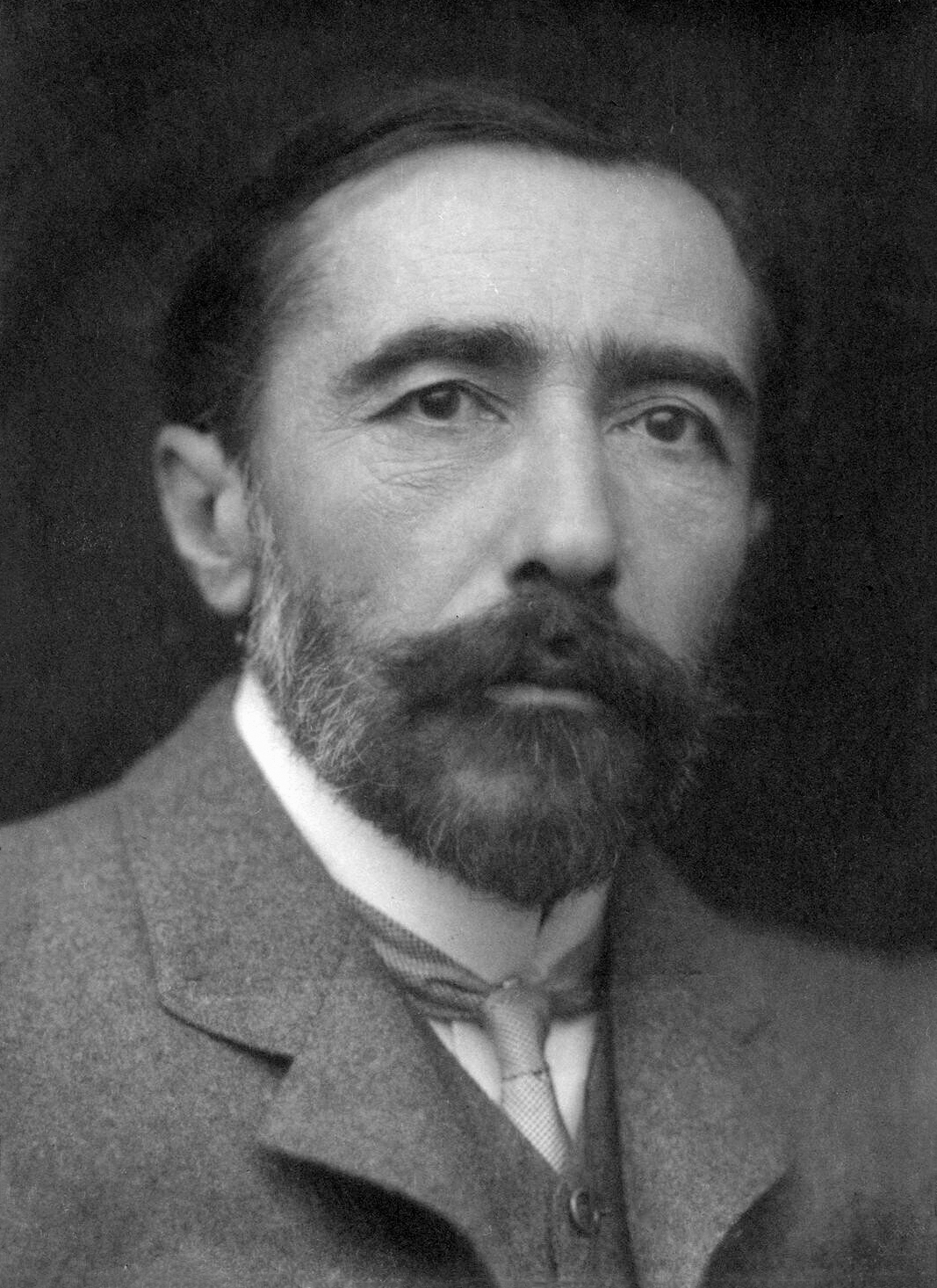
A Personal Record is Joseph Conrad's act of literary self-creation, a memoir that is itself a kind of fiction. Published in 1912, it traces his unlikely journey from Polish aristocrat to English sea captain to celebrated novelist, though the journey it describes is deliberately slippery, peppered with gaps and contradictions that Conrad seems to invite rather than conceal. He writes of his schooling in Russian-occupied Poland, his years sailing out of Marseille, the formative influence of his uncle Tadeusz, and the extraordinary circumstances that led him to compose Almayer's Folly in borrowed English. The book contains his famous declaration that the world rests on "a few very simple ideas; so simple that they must be as old as the hills," notably the idea of Fidelity. What emerges is not conventional autobiography but something more interesting: a portrait of a man constructing himself through language, uncertain whether memory serves truth or art. It is essential reading for anyone who has wondered how Joseph Conrad became Conrad, and what it costs to remake oneself in a foreign tongue.
Editions

X-Ray
“He who wants to persuade should put his trust not in the right argument, but in the right word. The power of sound has always been greater than the power of sense.””
— Joseph Conrad
“The ethical view of the universe involves us at last in so many cruel and absurd contradictions, where the last vestiges of faith, hope, charity, and even of reason itself, seem ready to perish, that I have come to suspect that the aim of creation cannot be ethical at all. I would fondly believe that its object is purely spectacular: a spectacle for awe, love, adoration, or hate, if you like, but in this view”
— Joseph Conrad
“As in political so in literary action a man wins friends for himself mostly by the passion of his prejudices and by the consistent narrowness of his outlook. But I have never been able to love what was not lovable or hate what was not hateful out of deference for some general principle. Whether there be any courage in making this admission I know not.””
— Joseph Conrad
“The greatest of my gifts being a consummate capacity for doing nothing, I cannot even point to boredom as a rational stimulus for taking up a pen. The pen, at any rate, was there, and there is nothing wonderful in that.””
— Joseph Conrad
Link to this book
Add a free, dofollow link to Lex on your blog, forum, syllabus, or reading list.

<a href="https://lex-books.com/book/a-personal-record-8bd1116f-8f14-41c2-b673-1ee21fd61b47"><img src="https://lex-books.com/badges/read-on-lex.svg" alt="Read A Personal Record by Joseph Conrad free on Lex" width="160" height="40"></a>[](https://lex-books.com/book/a-personal-record-8bd1116f-8f14-41c2-b673-1ee21fd61b47)[url=https://lex-books.com/book/a-personal-record-8bd1116f-8f14-41c2-b673-1ee21fd61b47][img]https://lex-books.com/badges/read-on-lex.svg[/img][/url]Read A Personal Record by Joseph Conrad free on Lex: https://lex-books.com/book/a-personal-record-8bd1116f-8f14-41c2-b673-1ee21fd61b47Cite this book
Reading this edition for a paper or guide? Copy a citation.
Conrad, Joseph. A Personal Record. Lex, lex-books.com/book/a-personal-record-8bd1116f-8f14-41c2-b673-1ee21fd61b47.Conrad, J. (n.d.). A Personal Record. Lex. https://lex-books.com/book/a-personal-record-8bd1116f-8f14-41c2-b673-1ee21fd61b47Conrad, Joseph. A Personal Record. Lex. https://lex-books.com/book/a-personal-record-8bd1116f-8f14-41c2-b673-1ee21fd61b47.