A Passage to India
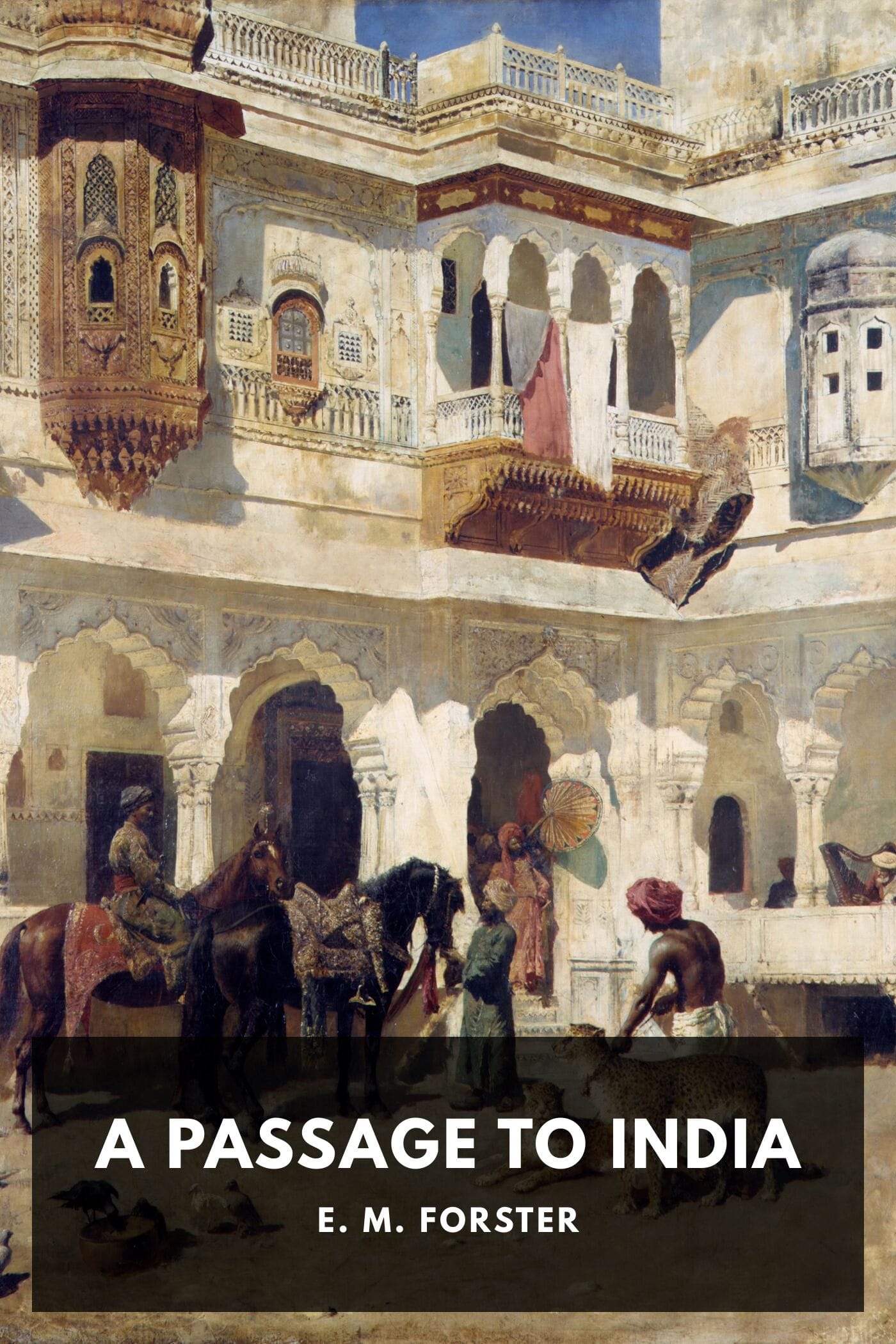
E. M. Forster's seminal novel plunges into the simmering tensions of the British Raj as the independence movement gains momentum. When young Adela Quested, a visiting Englishwoman, accuses Dr. Aziz, a local Indian physician, of assault, the ensuing trial ignites the powder keg of racial prejudice and colonial injustice. Forster meticulously dissects the intricate, often fraught, relationships between the British rulers and their Indian subjects, laying bare the profound chasm of misunderstanding and prejudice that defines their interactions. More than a mere courtroom drama, *A Passage to India* is a masterful, often unsettling, examination of colonialism's corrosive impact on individual lives and the collective psyche. Forster dared to humanize the colonized for a British audience accustomed to exoticized caricatures, revealing the deep-seated damage inflicted by imperial rule. While some interpret its tragic interpersonal failures as a testament to an unbridgeable cultural divide, the novel's enduring power lies in its unflinching portrayal of empathy's limits and the crushing weight of systemic oppression. It remains a cornerstone of 20th-century literature, sparking vital debates about cultural identity, justice, and the possibility – or impossibility – of true connection across divides.
Editions

Link to this book
Add a free, dofollow link to Lex on your blog, forum, syllabus, or reading list.

<a href="https://lex-books.com/book/a-passage-to-india-aad389f3-8a6b-4e70-84eb-87668777bab7"><img src="https://lex-books.com/badges/read-on-lex.svg" alt="Read A Passage to India by E. M. Forster free on Lex" width="160" height="40"></a>[](https://lex-books.com/book/a-passage-to-india-aad389f3-8a6b-4e70-84eb-87668777bab7)[url=https://lex-books.com/book/a-passage-to-india-aad389f3-8a6b-4e70-84eb-87668777bab7][img]https://lex-books.com/badges/read-on-lex.svg[/img][/url]Read A Passage to India by E. M. Forster free on Lex: https://lex-books.com/book/a-passage-to-india-aad389f3-8a6b-4e70-84eb-87668777bab7Cite this book
Reading this edition for a paper or guide? Copy a citation.
Forster, E. M.. A Passage to India. Lex, lex-books.com/book/a-passage-to-india-aad389f3-8a6b-4e70-84eb-87668777bab7.Forster, E. M. (n.d.). A Passage to India. Lex. https://lex-books.com/book/a-passage-to-india-aad389f3-8a6b-4e70-84eb-87668777bab7Forster, E. M.. A Passage to India. Lex. https://lex-books.com/book/a-passage-to-india-aad389f3-8a6b-4e70-84eb-87668777bab7.