A New System; Or, an Analysis of Antient Mythology. Volume 2 (of 6)
1774
A New System; Or, an Analysis of Antient Mythology. Volume 2 (of 6)
1774
Jacob Bryant's ambitious 1774 undertaking attempts something audacious: to decode the entire edifice of ancient mythology, separating historical truth from centuries of embellishment. This second volume delves into the meanings embedded in names themselves, particularly the terms "Phoenician" and "Phoenix," tracing how language carries the weight of ancient power and prestige. Bryant argues that "Phoenician" was never merely a geographic designation but a title of honor, nobility, and royal association, connected to the palm tree's symbolism of victory and sovereignty across Egyptian and Greek civilizations. This is Enlightenment scholarship at its most ambitious and contentious, a work that challenged how educated Europeans understood the ancient world and sparked fierce debate among antiquarians. For readers fascinated by the history of ideas, the emergence of modern biblical scholarship, or the long quest to make myth yield its secrets, Bryant remains a fascinating figure: brilliant, often wrong, but always provocatively certain that beneath the fable lies fact.
Editions
X-Ray
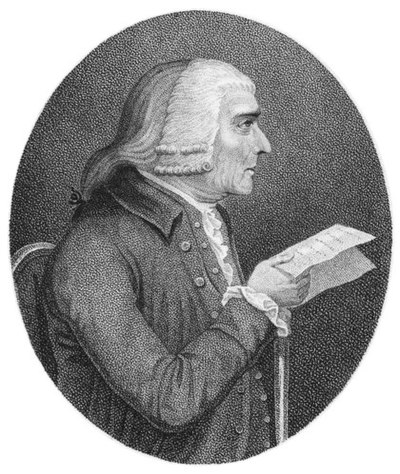
The author and scholar presenting this analysis of ancient mythology. He systematically attempts to trace mythological terms and figures back to their original meanings and sources.
An Egyptian and Canaanitish term of honor that became corrupted by the Greeks. Originally signified a lord or prince, particularly assumed by sons of Chus and Canaan.
A biblical figure whose descendants (Cuthites) were among the most enterprising branches of the Amonian family. Often rendered as Chrusos (gold) by Greeks through misinterpretation.
Son of Ham whose name was rendered as Cnas or Chnas by Egyptians. Associated with swan symbolism and musical/religious traditions.
About A New System; Or, an Analysis of Antient Mythology. Volume 2 (of 6)
Chapter Summaries
- 1
- Bryant analyzes the terms Phoenix and Phoenices, arguing they were originally Egyptian/Canaanitish titles of honor meaning 'lord' or 'prince,' not ethnic designations. He traces their connection to the palm tree symbolism and religious significance.
- 2
- Explores the sacred significance of the palm tree in ancient cultures, its association with royalty and immortality, and how it gave its name to various peoples and places.
- 3
- Examines how the Hebrew term for priest (Cohen/Cahen) was misunderstood by Greeks and Romans as referring to dogs, leading to various mythological confusions.
Key Themes
- Linguistic Corruption and Misinterpretation
- Bryant demonstrates how ancient terms were systematically corrupted as they passed between cultures, leading to fundamental misunderstandings of original meanings and historical realities.
- Historical vs. Mythological Truth
- The work argues that beneath mythological narratives lie genuine historical accounts of ancient peoples, their migrations, and their cultural achievements.
- Religious Syncretism
- Bryant explores how different cultures worshipped the same deities under various names, leading to confusion when later scholars tried to systematize these beliefs.
Characters
- Jacob Bryant(protagonist)
- The author and scholar presenting this analysis of ancient mythology. He systematically attempts to trace mythological terms and figures back to their original meanings and sources.
- Phoenix/Phoinic(major)
- An Egyptian and Canaanitish term of honor that became corrupted by the Greeks. Originally signified a lord or prince, particularly assumed by sons of Chus and Canaan.
- Chus/Cush(major)
- A biblical figure whose descendants (Cuthites) were among the most enterprising branches of the Amonian family. Often rendered as Chrusos (gold) by Greeks through misinterpretation.
- Canaan(major)
- Son of Ham whose name was rendered as Cnas or Chnas by Egyptians. Associated with swan symbolism and musical/religious traditions.
- Ham(major)
- Biblical patriarch, father of Chus and Canaan. Often represented as Helius (the Sun) in Greek mythology and considered ancestor of many ancient peoples.
- Osiris(major)
- Egyptian deity representing the Sun, often confused with historical figures. Said to have traveled the world bringing civilization and agriculture.
Link to this book
Add a free, dofollow link to Lex on your blog, forum, syllabus, or reading list.

<a href="https://lex-books.com/book/a-new-system-or-an-analysis-of-antient-mythology-volume-2-of-6-cf2e4ab7-8b86-4abe-8d7d-928eb08667f1"><img src="https://lex-books.com/badges/read-on-lex.svg" alt="Read A New System; Or, an Analysis of Antient Mythology. Volume 2 (of 6) by Jacob Bryant free on Lex" width="160" height="40"></a>[](https://lex-books.com/book/a-new-system-or-an-analysis-of-antient-mythology-volume-2-of-6-cf2e4ab7-8b86-4abe-8d7d-928eb08667f1)[url=https://lex-books.com/book/a-new-system-or-an-analysis-of-antient-mythology-volume-2-of-6-cf2e4ab7-8b86-4abe-8d7d-928eb08667f1][img]https://lex-books.com/badges/read-on-lex.svg[/img][/url]Read A New System; Or, an Analysis of Antient Mythology. Volume 2 (of 6) by Jacob Bryant free on Lex: https://lex-books.com/book/a-new-system-or-an-analysis-of-antient-mythology-volume-2-of-6-cf2e4ab7-8b86-4abe-8d7d-928eb08667f1Cite this book
Reading this edition for a paper or guide? Copy a citation.
Bryant, Jacob. A New System; Or, an Analysis of Antient Mythology. Volume 2 (of 6). Lex, lex-books.com/book/a-new-system-or-an-analysis-of-antient-mythology-volume-2-of-6-cf2e4ab7-8b86-4abe-8d7d-928eb08667f1.Bryant, J. (1774). A New System; Or, an Analysis of Antient Mythology. Volume 2 (of 6). Lex. https://lex-books.com/book/a-new-system-or-an-analysis-of-antient-mythology-volume-2-of-6-cf2e4ab7-8b86-4abe-8d7d-928eb08667f1Bryant, Jacob. A New System; Or, an Analysis of Antient Mythology. Volume 2 (of 6). Lex. https://lex-books.com/book/a-new-system-or-an-analysis-of-antient-mythology-volume-2-of-6-cf2e4ab7-8b86-4abe-8d7d-928eb08667f1.