A History of Inland Transport and Communication in England
1912
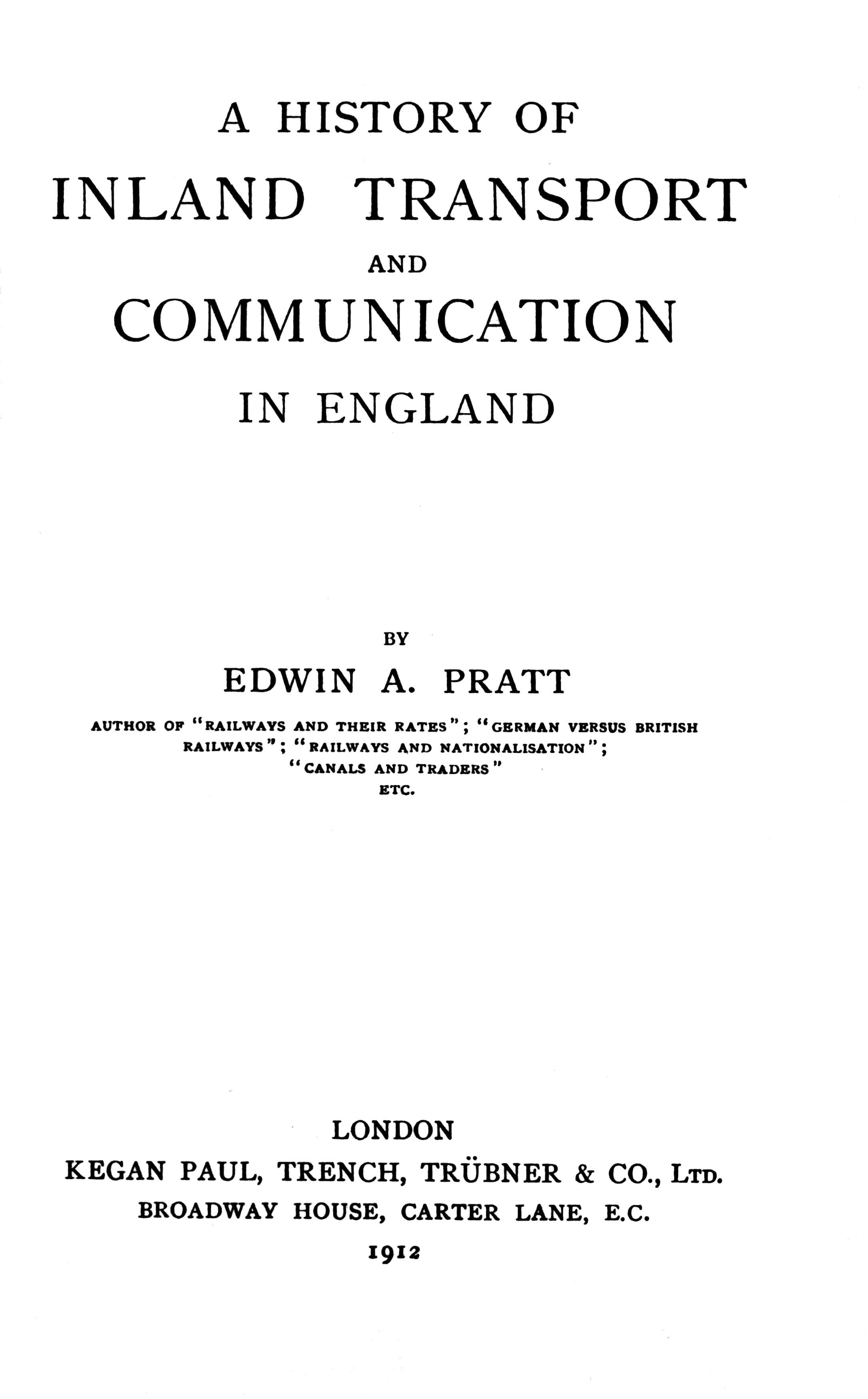
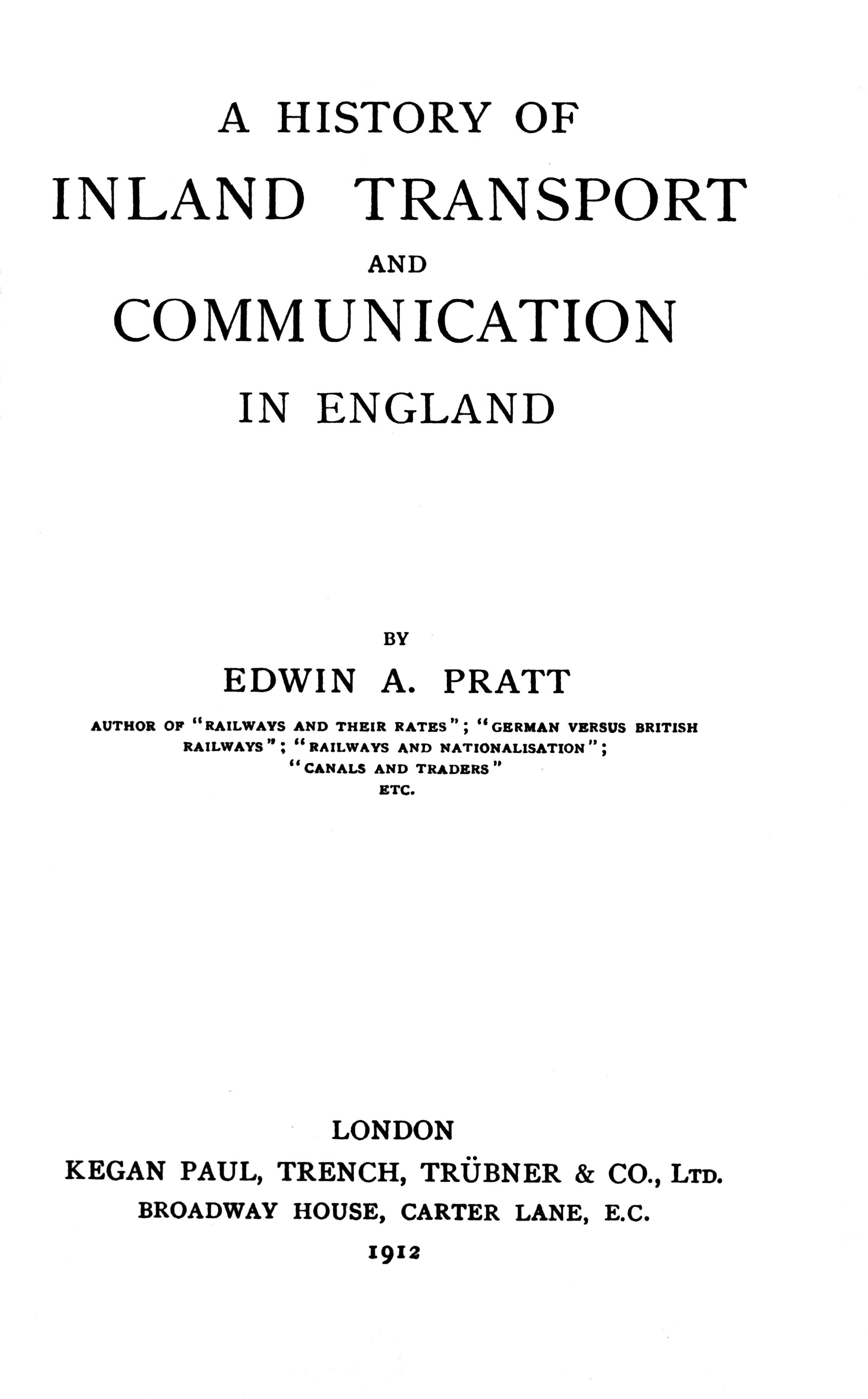
A History of Inland Transport and Communication in England
1912
Long before Britain ruled the waves, it first mastered the roads beneath its feet. Edwin Pratt's landmark history traces the forgotten story of how England's inland transport networks, from rutted Roman roads to theENGINEERING marvels of the railway age, literally built a nation. This is economic and social history at its most concrete: Pratt demonstrates that empires rise not from grand decrees but from the mundane miracle of getting goods from A to B. He chronicles the backbreaking labor that carved canals through countryside, the turnpike trusts that governed English roads before the railway age, and the revolutionary transformation that steam finally wrought. What emerges is a compelling argument that infrastructure is destiny, that the speed at which a society moves determines the pace at which it grows. For anyone curious about the hidden systems that shaped modern Britain, or anyone who wonders why those Roman roads still run through their town, Pratt offers a richly detailed portrait of the arteries of English civilization.
Editions

X-Ray
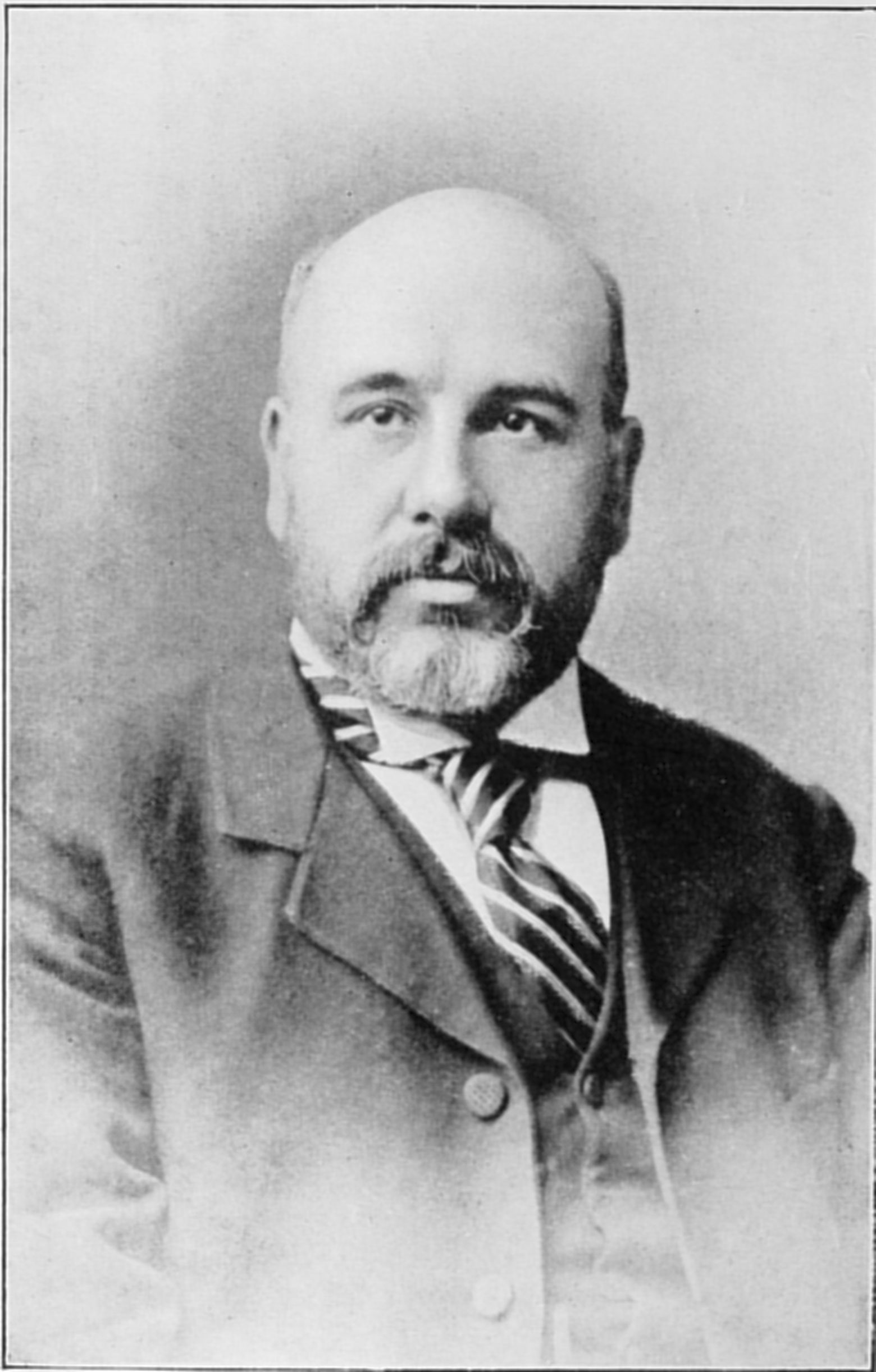
The author and historian who chronicles the development of inland transport and communication in England. He serves as the primary narrator and analytical voice throughout the work.
Scottish engineer who revolutionized road-making with his system of broken stone surfaces. His methods became known as 'macadamization' and transformed British roads in the early 19th century.
Scottish civil engineer who constructed roads, canals, and bridges. Known for his systematic approach to road construction with solid stone foundations.
Self-taught engineer who designed and built the Duke of Bridgewater's canals. Despite lacking formal education, he became a genius of canal construction and initiated the Canal Era.
About A History of Inland Transport and Communication in England
Chapter Summaries
- 1
- Pratt establishes that improved inland communication has been the dominating factor in Britain's industrial and social advancement. He argues that understanding transport development is essential to comprehending national industries and economic progress.
- 2
- Describes the physical challenges facing early road builders in Britain, including vast marshes, dense forests, and difficult terrain. Discusses British chariot roads and the superior Roman road system.
- 3
- After Roman departure, road maintenance became a religious duty undertaken by monasteries and the Church. Describes how road repair was considered pious work and the eventual decline of this system.
Key Themes
- Technological Progress and Innovation
- The book traces the evolution of transport technology from Roman roads to scientific road-making, canals, and early railways. Each innovation represents humanity's attempt to overcome natural obstacles and improve communication.
- Economic Development and Trade
- Transport improvements directly correlate with economic growth, industrial development, and trade expansion. Better roads and waterways enable markets to expand and industries to flourish.
- Social Transformation
- Improved transport breaks down isolation, spreads knowledge, reduces superstition, and transforms social conditions. Better communication leads to cultural exchange and social progress.
Characters
- Edwin A. Pratt(protagonist)
- The author and historian who chronicles the development of inland transport and communication in England. He serves as the primary narrator and analytical voice throughout the work.
- John Loudon McAdam(major)
- Scottish engineer who revolutionized road-making with his system of broken stone surfaces. His methods became known as 'macadamization' and transformed British roads in the early 19th century.
- Thomas Telford(major)
- Scottish civil engineer who constructed roads, canals, and bridges. Known for his systematic approach to road construction with solid stone foundations.
- James Brindley(major)
- Self-taught engineer who designed and built the Duke of Bridgewater's canals. Despite lacking formal education, he became a genius of canal construction and initiated the Canal Era.
- Francis, Duke of Bridgewater(major)
- Aristocrat who financed and promoted canal construction in the mid-18th century. His canals, built by Brindley, sparked the British Canal Era.
- Arthur Young(major)
- Agricultural writer and traveler who documented the deplorable state of English roads in the 1770s through his extensive tours and vivid descriptions.
Link to this book
Add a free, dofollow link to Lex on your blog, forum, syllabus, or reading list.

<a href="https://lex-books.com/book/a-history-of-inland-transport-and-communication-in-england-66136c53-fb4d-4464-9a0a-f0d3cac26168"><img src="https://lex-books.com/badges/read-on-lex.svg" alt="Read A History of Inland Transport and Communication in England by Edwin A. Pratt free on Lex" width="160" height="40"></a>[](https://lex-books.com/book/a-history-of-inland-transport-and-communication-in-england-66136c53-fb4d-4464-9a0a-f0d3cac26168)[url=https://lex-books.com/book/a-history-of-inland-transport-and-communication-in-england-66136c53-fb4d-4464-9a0a-f0d3cac26168][img]https://lex-books.com/badges/read-on-lex.svg[/img][/url]Read A History of Inland Transport and Communication in England by Edwin A. Pratt free on Lex: https://lex-books.com/book/a-history-of-inland-transport-and-communication-in-england-66136c53-fb4d-4464-9a0a-f0d3cac26168Cite this book
Reading this edition for a paper or guide? Copy a citation.
Pratt, Edwin A.. A History of Inland Transport and Communication in England. Lex, lex-books.com/book/a-history-of-inland-transport-and-communication-in-england-66136c53-fb4d-4464-9a0a-f0d3cac26168.Pratt, E. A. (1912). A History of Inland Transport and Communication in England. Lex. https://lex-books.com/book/a-history-of-inland-transport-and-communication-in-england-66136c53-fb4d-4464-9a0a-f0d3cac26168Pratt, Edwin A.. A History of Inland Transport and Communication in England. Lex. https://lex-books.com/book/a-history-of-inland-transport-and-communication-in-england-66136c53-fb4d-4464-9a0a-f0d3cac26168.