羅生門
1915
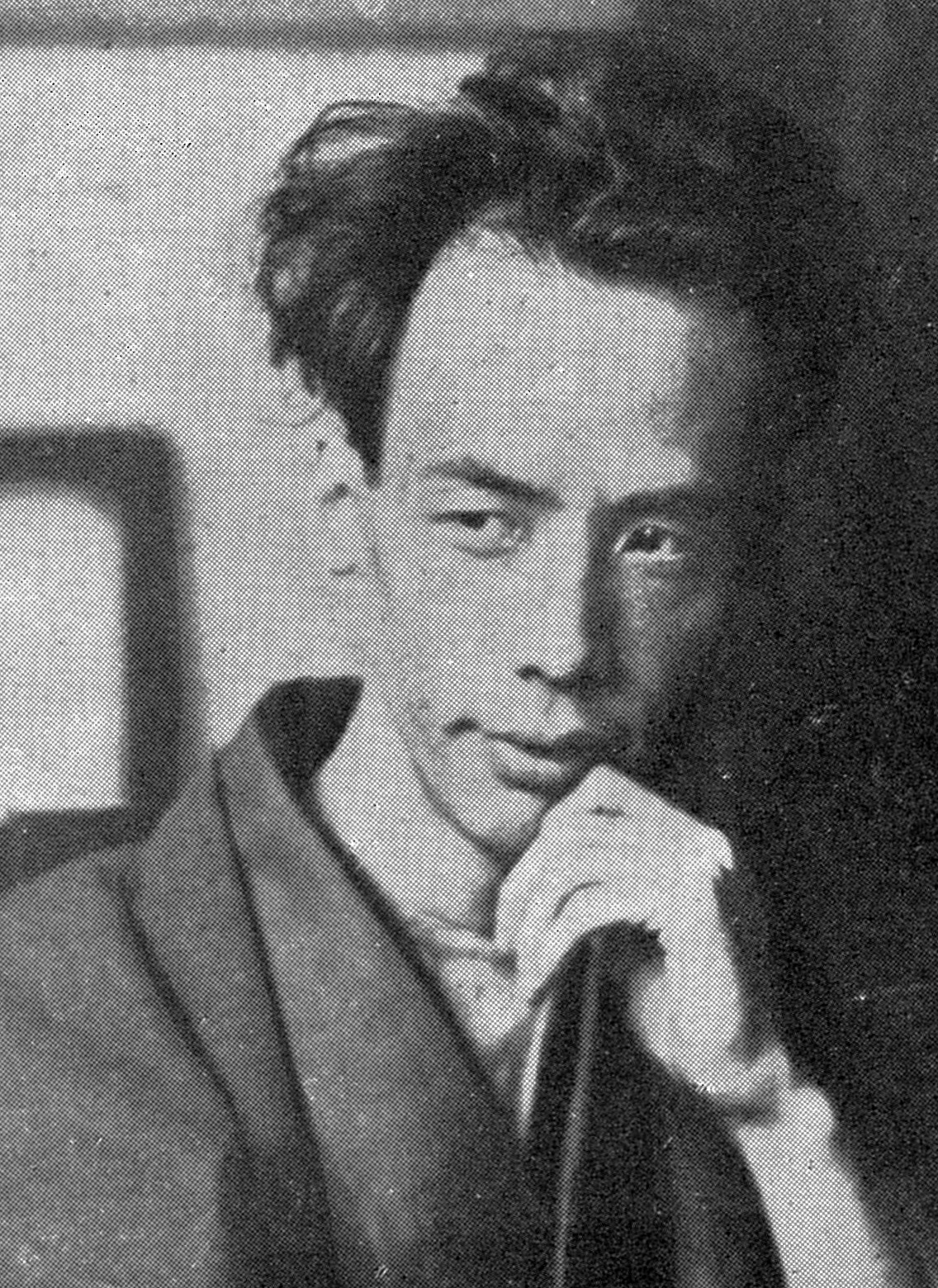
In feudal Kyoto, rain hammers the ancient Roshomon gate where a disgraced servant cowers. He has lost his position, his prospects, his certainties. Starvation or theft: the choice seems simple until he discovers an old woman pillaging corpses for hair to sell. What unfolds is a brutal meditation on what survival costs the soul. Akutagawa strips morality to its bones, asking whether virtue exists when the world provides no mercy. The servant's descent from observer to perpetrator takes seconds, yet echoes across a century. This is not comfort. It is the cold certainty that civilization is clothing we remove when times get hard. Together with 'In a Grove' and four other tales, this collection dissects human nature with surgical precision. For readers who crave literature that disturbs and lingers.
Editions
X-Ray
“A man sometimes devotes his life to a desire which he is not sure will ever be fulfilled. Those who laugh at this folly are, after all, no more than mere spectators of life.””
— Ryunosuke Akutagawa
“Truly human life is as evanescent as the morning dew or a flash of lightning.””
— Ryunosuke Akutagawa
“The Heian Period (794–1185) was Japan’s classical era, a time of peace and opulence, when the imperial court in Heian-kyō (“Capital of Peace and Tranquility”: later Kyoto) was the fountainhead of culture, and the arts flourished. Toward the end, however, political power slipped from the aristocracy to the warrior class, the decline of the imperial court led to the decay of the capital, and peace gave way to unrest. This was the part of the Heian Period that interested Akutagawa, who identified it with fin-de-siècle Europe, and he symbolized the decay with the image of the crumbling Rashōmon gate that dominates his story. Director Kurosawa Akira borrowed Akutagawa’s gate and went him one better, picturing it as a truly disintegrating structure, entirely bereft of its Heian lacquer finish, and suggestive of the moral decay against which his characters struggle. His film Rashōmon (1950) was based on two of Akutagawa’s stories, “Rashōmon” and “In a Bamboo Grove.” Both”
— Ryunosuke Akutagawa
“Pero le aclaro, señor, que yo mato con katana, y no como ustedes, que matan con el poder, con el dinero, hasta con el pretexto de hacer un favor. Es cierto que no derraman sangre y sus víctimas siguen viviendo; pero así y todo son muertos, sombras de vivos. Si medimos los alcances del delito, es muy difícil fijar quién es más criminal, yo o ustedes.””
— Ryunosuke Akutagawa
“Now, this writer whose name the word comes from”
— Ryunosuke Akutagawa
Link to this book
Add a free, dofollow link to Lex on your blog, forum, syllabus, or reading list.

<a href="https://lex-books.com/book/-10a737cb-8658-4454-ad09-c6aee56397ea"><img src="https://lex-books.com/badges/read-on-lex.svg" alt="Read 羅生門 by Ryunosuke Akutagawa free on Lex" width="160" height="40"></a>[](https://lex-books.com/book/-10a737cb-8658-4454-ad09-c6aee56397ea)[url=https://lex-books.com/book/-10a737cb-8658-4454-ad09-c6aee56397ea][img]https://lex-books.com/badges/read-on-lex.svg[/img][/url]Read 羅生門 by Ryunosuke Akutagawa free on Lex: https://lex-books.com/book/-10a737cb-8658-4454-ad09-c6aee56397eaCite this book
Reading this edition for a paper or guide? Copy a citation.
Akutagawa, Ryunosuke. 羅生門. Lex, lex-books.com/book/-10a737cb-8658-4454-ad09-c6aee56397ea.Akutagawa, R. (1915). 羅生門. Lex. https://lex-books.com/book/-10a737cb-8658-4454-ad09-c6aee56397eaAkutagawa, Ryunosuke. 羅生門. Lex. https://lex-books.com/book/-10a737cb-8658-4454-ad09-c6aee56397ea.