
Zacharias Ursinus
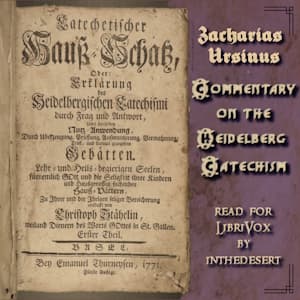
Zacharias Ursinus was a prominent German theologian and a key figure in the Reformed tradition during the 16th century. Born in 1534, he became known for his role in the development of the Heidelberg Catechism, a foundational document for Reformed Christianity. Ursinus's theological education was shaped by the tumultuous religious landscape of the Reformation, and he was influenced by the teachings of Martin Luther and John Calvin. His work on the Heidelberg Catechism, which he co-authored with Caspar Olevianus, aimed to provide a comprehensive guide to Christian doctrine and practice, addressing both the theological and pastoral needs of the church at the time. Ursinus's "Commentary on the Heidelberg Catechism" stands out as a significant contribution to Reformed theology, offering detailed explanations of the catechism's questions and answers. His commentary not only elucidated the text but also provided a framework for understanding the Christian faith in a way that was accessible to laypeople. Through this work, Ursinus helped to solidify the catechism's place in Reformed education and worship, influencing generations of theologians and church leaders. His legacy endures in the continued use of the Heidelberg Catechism in Reformed churches around the world, marking him as a pivotal figure in the history of Protestant thought.
Books from the author
Link to this page
Add a free, dofollow link to Lex on your blog, forum, syllabus, or reading list.

<a href="https://lex-books.com/author/zacharias-ursinus"><img src="https://lex-books.com/badges/read-on-lex.svg" alt="Zacharias Ursinus on Lex" width="160" height="40"></a>[](https://lex-books.com/author/zacharias-ursinus)[url=https://lex-books.com/author/zacharias-ursinus][img]https://lex-books.com/badges/read-on-lex.svg[/img][/url]Zacharias Ursinus on Lex: https://lex-books.com/author/zacharias-ursinus