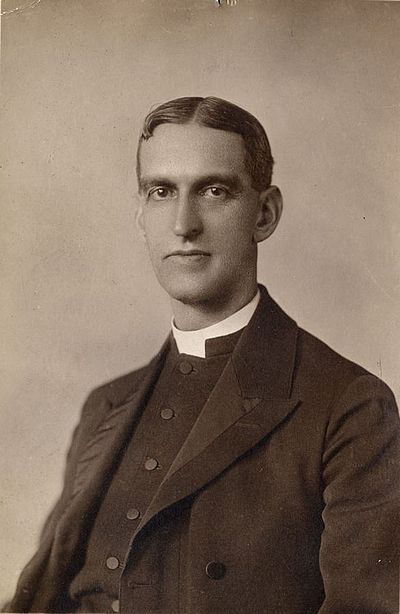
William W. Mann
William W. Mann was an influential figure in the promotion and teaching of Esperanto, a constructed international auxiliary language. His notable works, 'Esperanto Self-Taught with Phonetic Pronunciation' and its subsequent volumes, provided comprehensive resources for learners of Esperanto, making the language more accessible to a wider audience. Mann's approach combined practical language instruction with phonetic guidance, reflecting his commitment to facilitating communication across linguistic barriers. Mann's contributions to the Esperanto movement were significant during a time when the language was gaining traction as a means of fostering international understanding. His instructional materials not only served as textbooks but also as tools for cultural exchange, embodying the ideals of the Esperanto community. Through his works, Mann helped to solidify Esperanto's place in the landscape of language learning, leaving a lasting legacy that continues to influence learners and educators today.
Books from the author


Link to this page
Add a free, dofollow link to Lex on your blog, forum, syllabus, or reading list.

<a href="https://lex-books.com/author/william-w-mann"><img src="https://lex-books.com/badges/read-on-lex.svg" alt="William W. Mann on Lex" width="160" height="40"></a>[](https://lex-books.com/author/william-w-mann)[url=https://lex-books.com/author/william-w-mann][img]https://lex-books.com/badges/read-on-lex.svg[/img][/url]William W. Mann on Lex: https://lex-books.com/author/william-w-mann