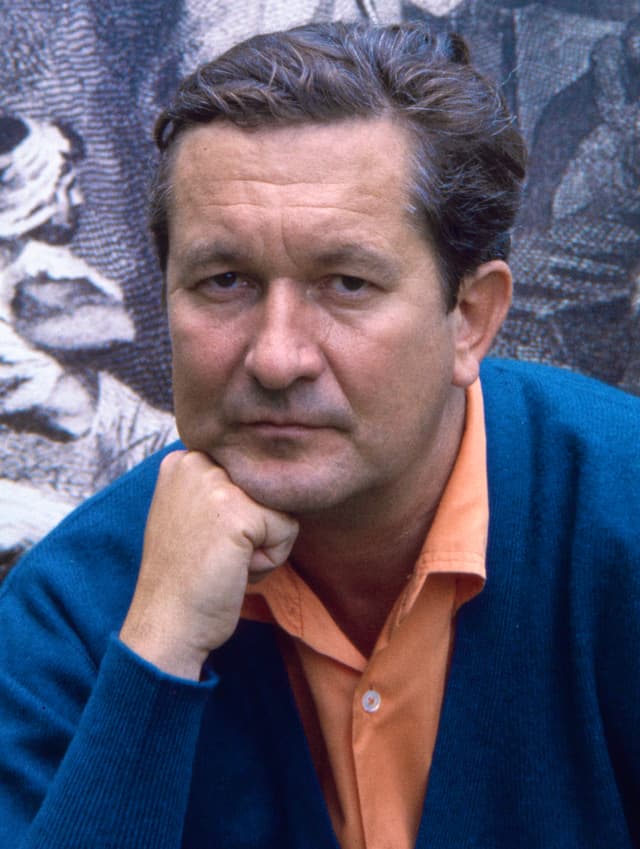
William Styron
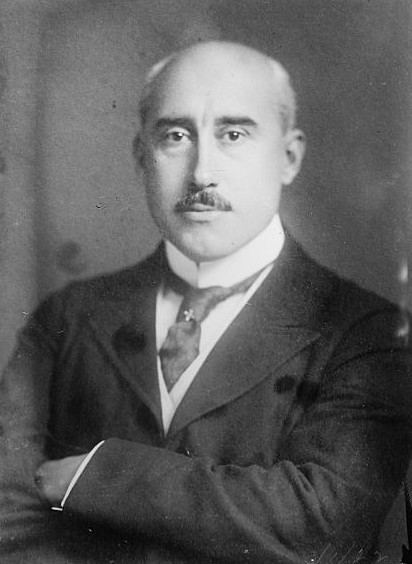
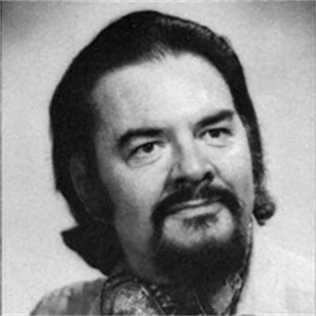
William Styron was an influential American novelist and essayist known for his profound explorations of the human condition. Born in 1925 in Newport News, Virginia, he grew up in a Southern environment that deeply informed his writing. Styron's literary career took off with the publication of his first novel, 'Lie Down in Darkness' in 1951, which showcased his talent for rich, psychological character studies. However, it was his 1967 work, 'The Confessions of Nat Turner,' that garnered him widespread acclaim, earning the Pulitzer Prize for Fiction in 1968. This controversial novel, based on the historical figure Nat Turner, sparked discussions about race, morality, and the legacy of slavery in America, marking a significant moment in American literature. Styron's other notable works include 'Sophie's Choice,' a harrowing tale of love and trauma set against the backdrop of the Holocaust, which further solidified his reputation as a master storyteller. His writing is characterized by its lyrical prose and deep philosophical inquiries, often reflecting his own struggles with depression and existential questions. Styron's legacy endures not only through his compelling narratives but also through his candid discussions of mental illness, particularly in his memoir 'Darkness Visible.' His contributions to American literature continue to resonate, influencing generations of writers and readers alike.
Famous Quotes
View all 3 quotes“A great book should leave you with many experiences, and slightly exhausted at the end. You live several lives while reading.”
“We're all in this game together.”
“A phenomenon that a number of people have noted while in deep depression is the sense of being accompanied by a second self — a wraithlike observer who, not sharing the dementia of his double, is able to watch with dispassionate curiosity as his companion struggles against the oncoming disaster, or decides to embrace it. There is a theatrical quality about all this, and during the next several days, as I went about stolidly preparing for extinction, I couldn't shake off a sense of melodrama — a melodrama in which I, the victim-to-be of self-murder, was both the solitary actor and lone member of the audience.”
Books from the author





Link to this page
Add a free, dofollow link to Lex on your blog, forum, syllabus, or reading list.

<a href="https://lex-books.com/author/william-styron"><img src="https://lex-books.com/badges/read-on-lex.svg" alt="William Styron on Lex" width="160" height="40"></a>[](https://lex-books.com/author/william-styron)[url=https://lex-books.com/author/william-styron][img]https://lex-books.com/badges/read-on-lex.svg[/img][/url]William Styron on Lex: https://lex-books.com/author/william-styron