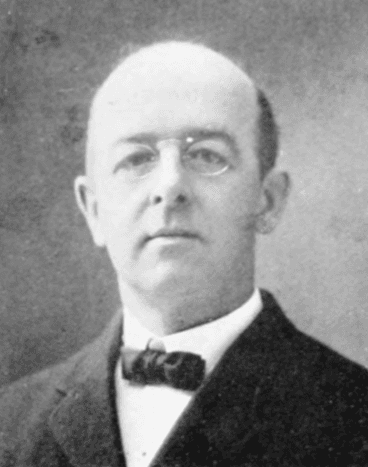
William John Hopkins
Famous Quotes
View all 2 quotes“When I was first aware that I had been laid low by the disease, I felt a need, among other things, to register a strong protest against the word "depression." Depression, most people know, used to be termed "melancholia," a word which appears in English as the year 1303 and crops up more than once in Chaucer, who in his usage seemed to be aware of its pathological nuances. "Melancholia" would still appear to be a far more apt and evocative word for the blacker forms of the disorder, but it was usurped by a noun with a blank tonality and lacking any magisterial presence, used indifferently to describe an economic decline or a rut in the ground, a true wimp of a word for such a major illness.It may be that the scientist generally held responsible for its currency in modern times, a Johns Hopkins Medical School faculty member justly venerated -- the Swiss-born psychiatrist Adolf Meyer -- had a tin ear for the finer rhythms of English and therefore was unaware of the semantic damage he had inflicted for such a dreadful and raging disease. Nonetheless, for over seventy-five years the word has slithered innocuously through the language like a slug, leaving little trace of its intrinsic malevolence and preventing, by its insipidity, a general awareness of the horrible intensity of the disease when out of control.””
“The American university inherits the missions of two very different institutions: the English college and the German research university. The first pattern prevailed before the Civil War. Curricula centered on the classics, and the purpose of education was understood to be the formation of character. With the emergence of a modern industrial society in the last decades of the nineteenth century, that kind of pedagogy was felt to be increasingly obsolete. Johns Hopkins was founded in 1876 as the first American university on the German model: a factory of knowledge that would focus in particular on the natural and social sciences, the disciplines essential to the new economy and the world to which it was giving rise.””
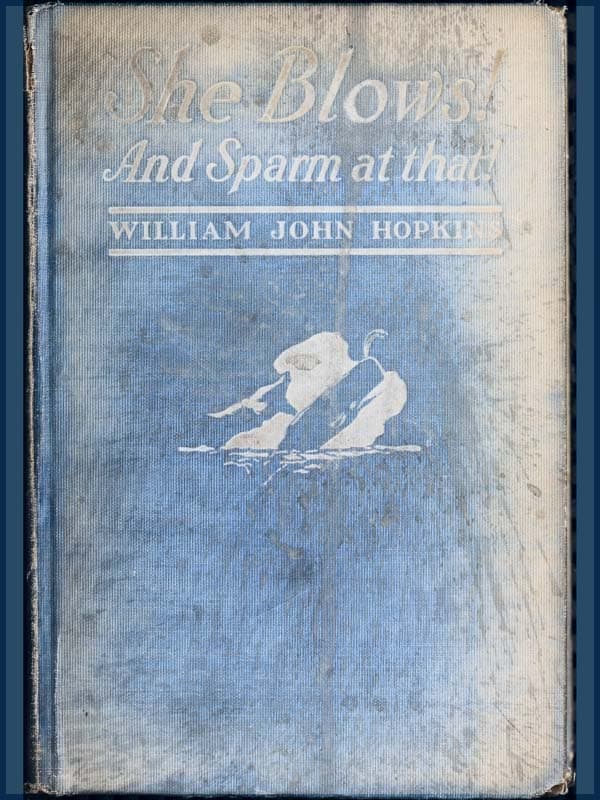
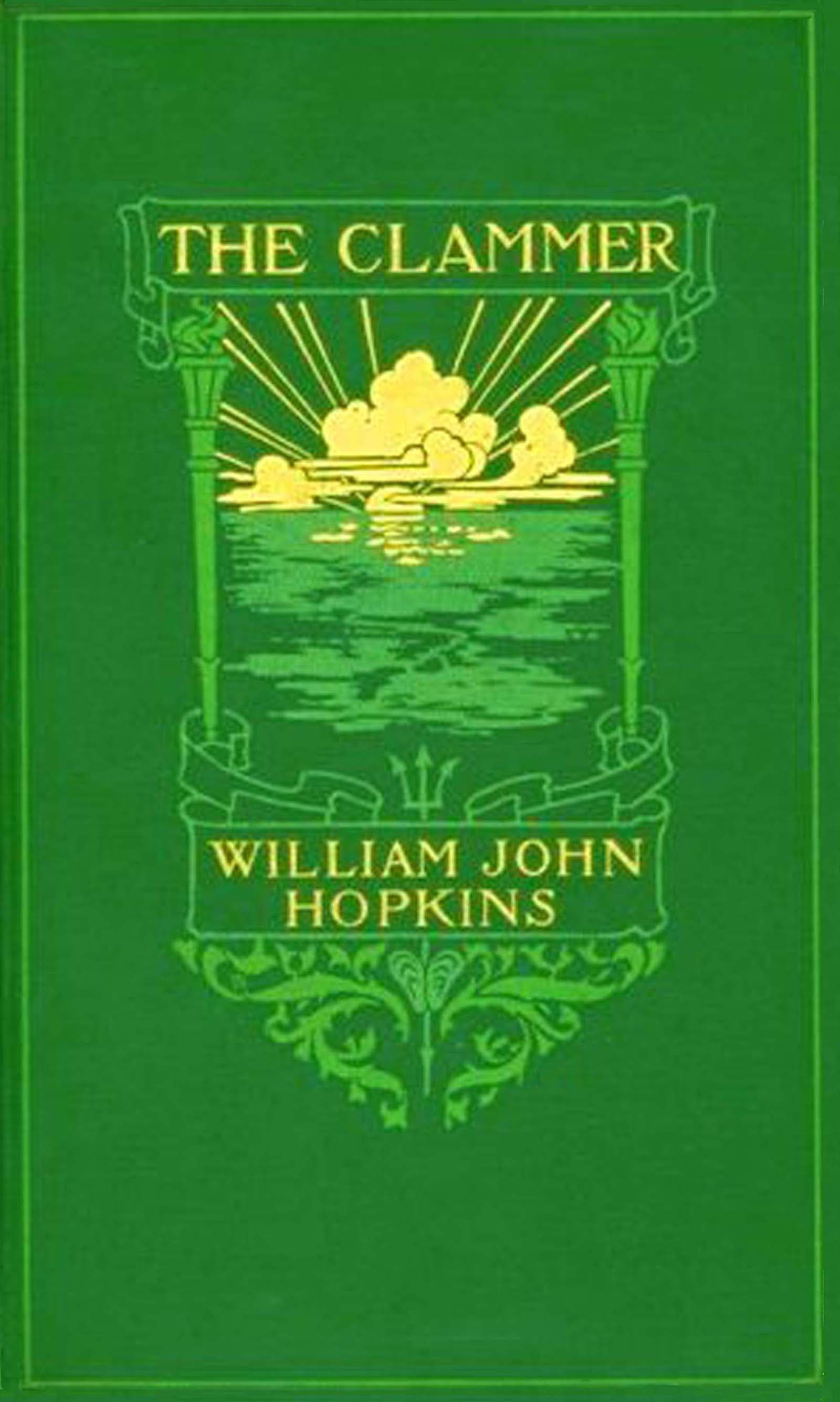
Books from the author

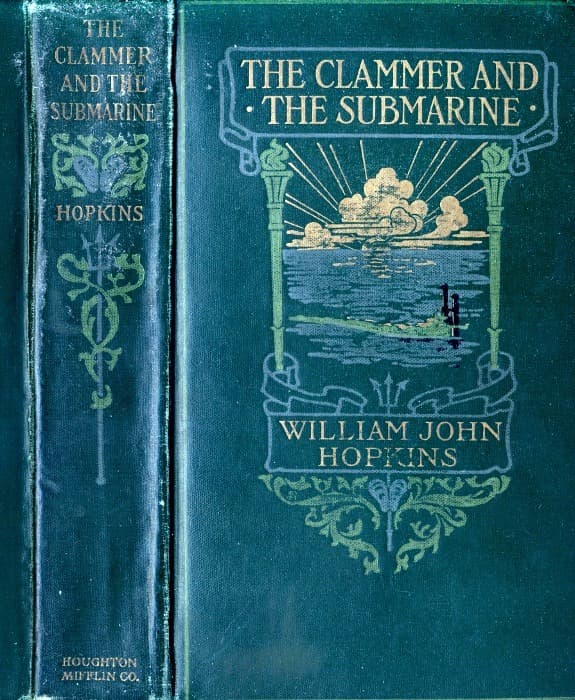
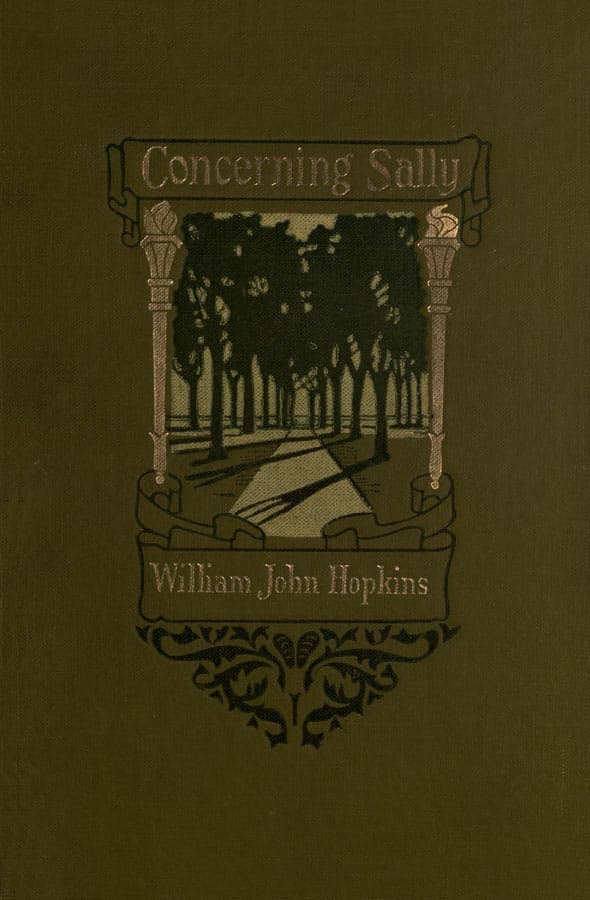
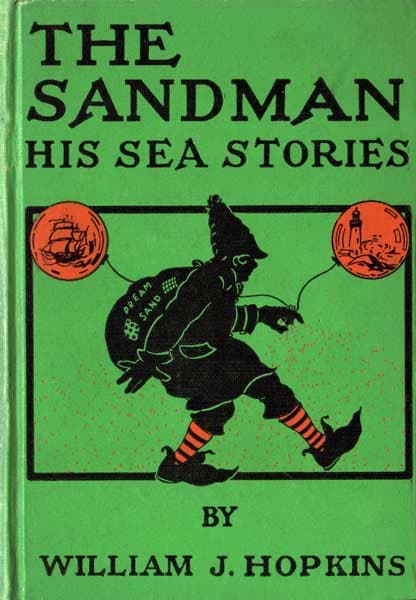






Link to this page
Add a free, dofollow link to Lex on your blog, forum, syllabus, or reading list.

<a href="https://lex-books.com/author/william-john-hopkins"><img src="https://lex-books.com/badges/read-on-lex.svg" alt="William John Hopkins on Lex" width="160" height="40"></a>[](https://lex-books.com/author/william-john-hopkins)[url=https://lex-books.com/author/william-john-hopkins][img]https://lex-books.com/badges/read-on-lex.svg[/img][/url]William John Hopkins on Lex: https://lex-books.com/author/william-john-hopkins