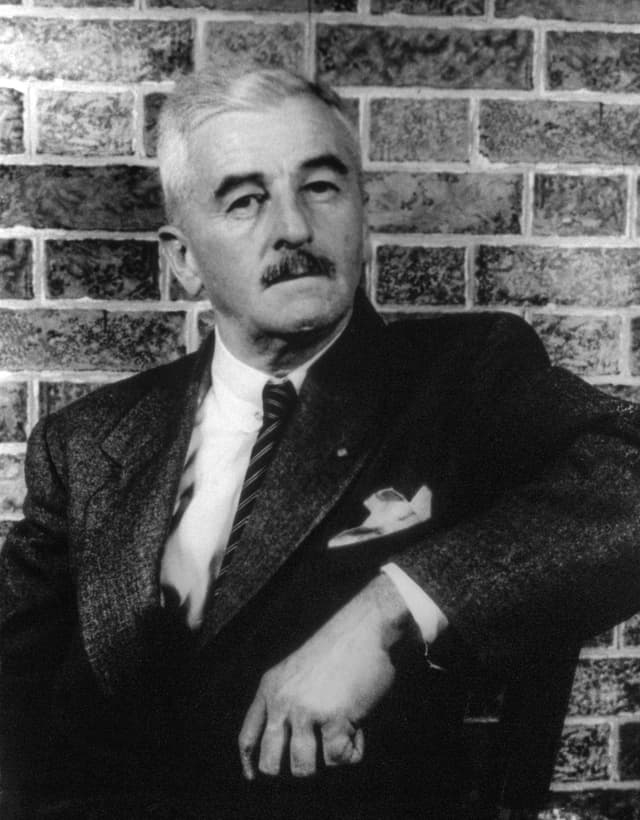
William Faulkner
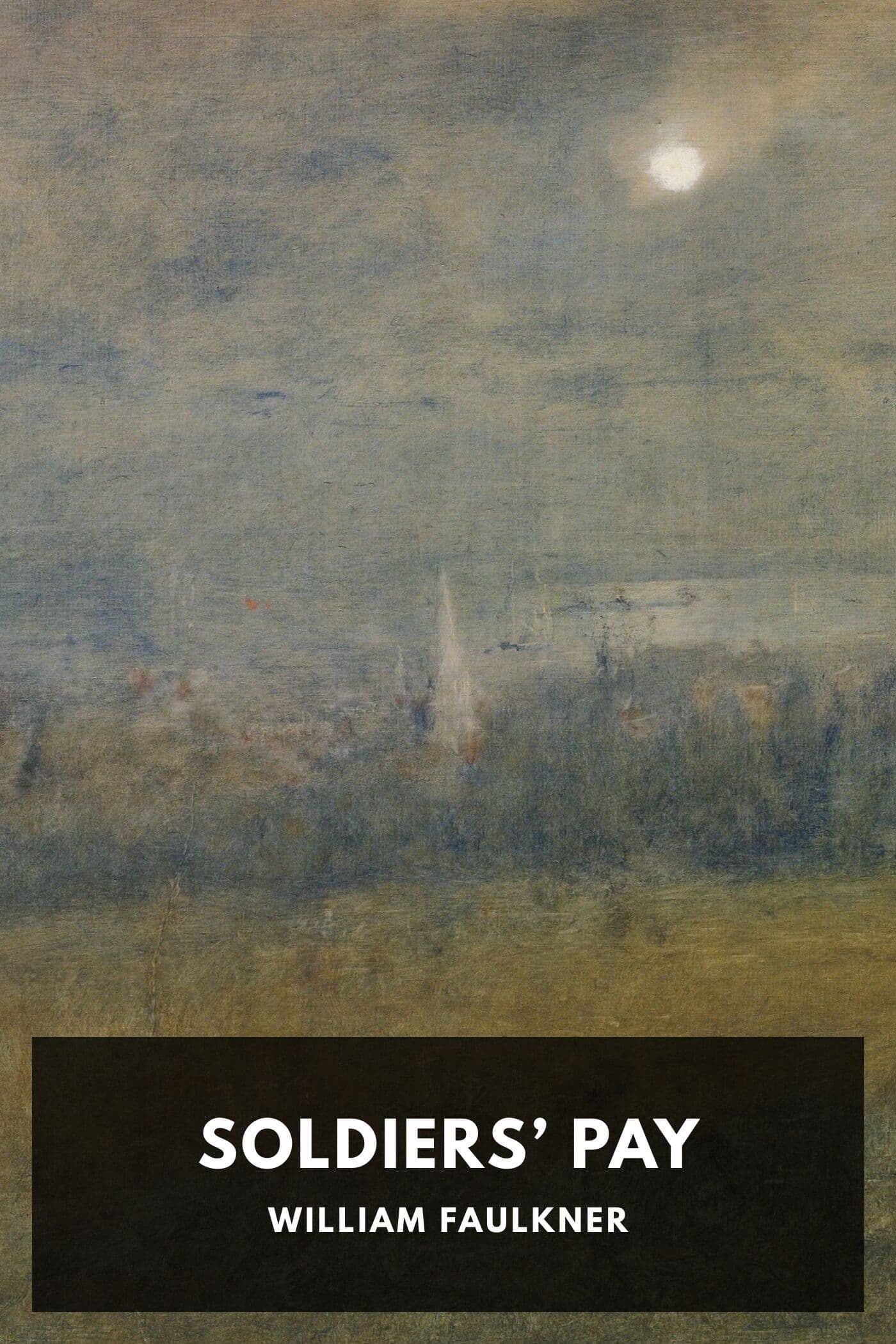
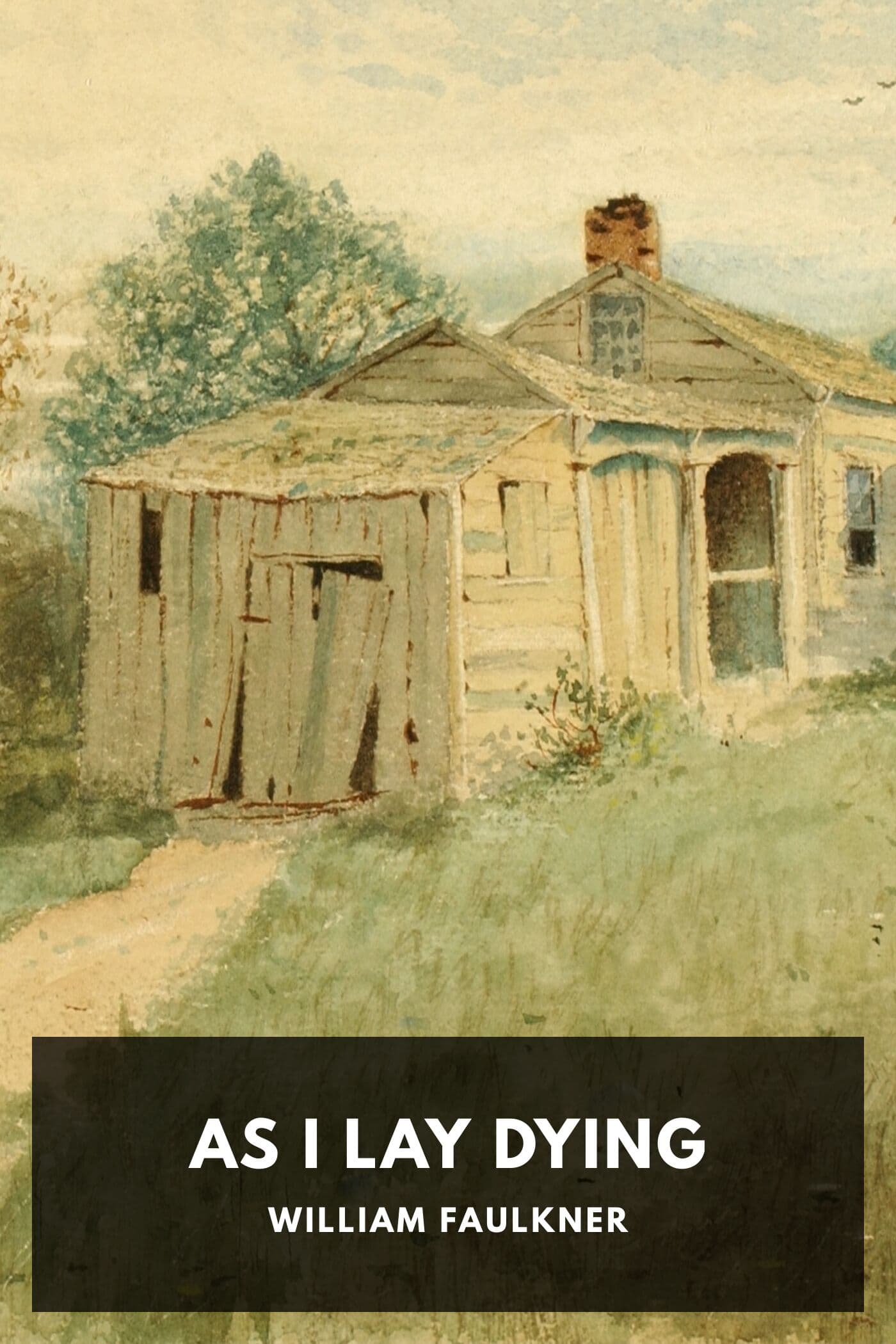
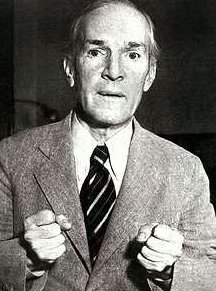
William Faulkner was an influential American writer renowned for his complex narratives and innovative use of stream of consciousness. Born in New Albany, Mississippi, and raised in Oxford, he drew heavily from his Southern roots, crafting a fictional universe in Yoknapatawpha County that mirrored the social and cultural dynamics of the American South. Faulkner's literary career began with his first novel, Soldiers' Pay, published in 1925, but it was his subsequent works, including The Sound and the Fury and As I Lay Dying, that solidified his reputation as a master of modern literature. His narratives often explored themes of race, identity, and the passage of time, employing a distinctive style that challenged conventional storytelling techniques. Faulkner's contributions to literature earned him widespread acclaim, culminating in the Nobel Prize in Literature in 1949 for his powerful and unique impact on the modern American novel. His works, such as Light in August and Absalom, Absalom!, remain pivotal in the study of Southern literature and American fiction. Beyond his novels, Faulkner also ventured into screenwriting, leaving his mark on Hollywood with contributions to films like To Have and Have Not. His legacy endures through the profound influence he has had on subsequent generations of writers, with Ralph Ellison famously declaring him "the greatest artist the South has produced." Faulkner's exploration of the human condition and the complexities of Southern life continue to resonate in literary circles today.
Famous Quotes
View all 3 quotes“Read, read, read. Read everything -- trash, classics, good and bad, and see how they do it. Just like a carpenter who works as an apprentice and studies the master. Read! You'll absorb it. Then write. If it's good, you'll find out. If it's not, throw it out of the window.”
“You cannot swim for new horizons until you have courage to lose sight of the shore.”
“Never be afraid to raise your voice for honesty and truth and compassion against injustice and lying and greed. If people all over the world...would do this, it would change the earth.”
Books from the author







Link to this page
Add a free, dofollow link to Lex on your blog, forum, syllabus, or reading list.

<a href="https://lex-books.com/author/william-faulkner"><img src="https://lex-books.com/badges/read-on-lex.svg" alt="William Faulkner on Lex" width="160" height="40"></a>[](https://lex-books.com/author/william-faulkner)[url=https://lex-books.com/author/william-faulkner][img]https://lex-books.com/badges/read-on-lex.svg[/img][/url]William Faulkner on Lex: https://lex-books.com/author/william-faulkner