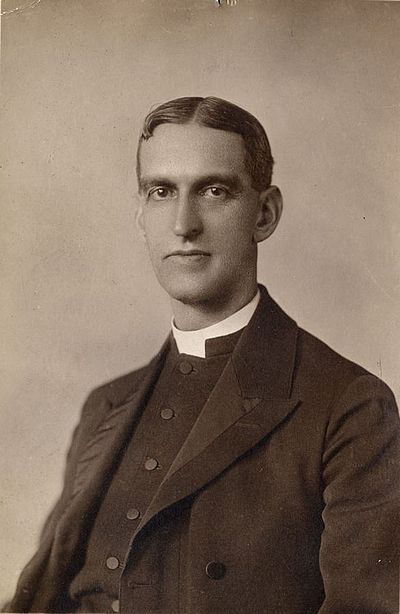
Walter John Clark
Walter John Clark was an influential figure in the early 20th century, primarily recognized for his contributions to the field of linguistics and the promotion of constructed languages. His notable work, "International Language, Past, Present & Future: With Specimens of Esperanto and Grammar," delves into the history and structure of Esperanto, a language created with the intention of fostering international communication. Clark's exploration of Esperanto not only provided insights into its grammatical framework but also reflected the broader aspirations of the time for global understanding and unity through a common linguistic medium. In addition to his linguistic pursuits, Clark's writings contributed to the discourse on language as a tool for social and cultural exchange. His advocacy for Esperanto positioned him as a key player in the movement that sought to break down language barriers in an increasingly interconnected world. Although not as widely recognized today, his work remains significant in the study of constructed languages and their potential role in international relations and communication.
Famous Quotes
View all 1 quotes“You goin’?” he rasped at me, shaking his stick at the corner. “John, John,” the old lady clucked, “it don’t do for you to go gettin’ excited.” “I ain’t excited,” the old man twittered, pounding his stick on the road, “I ain’t excited; I’m jest plumb disgusted.” I’d stopped because he’d caught hold of my shirtsleeve. “You’re goin’, ain’t you?” he threatened me again. “It looks like it, dad,” I said.””
Books from the author


Link to this page
Add a free, dofollow link to Lex on your blog, forum, syllabus, or reading list.

<a href="https://lex-books.com/author/walter-john-clark"><img src="https://lex-books.com/badges/read-on-lex.svg" alt="Walter John Clark on Lex" width="160" height="40"></a>[](https://lex-books.com/author/walter-john-clark)[url=https://lex-books.com/author/walter-john-clark][img]https://lex-books.com/badges/read-on-lex.svg[/img][/url]Walter John Clark on Lex: https://lex-books.com/author/walter-john-clark