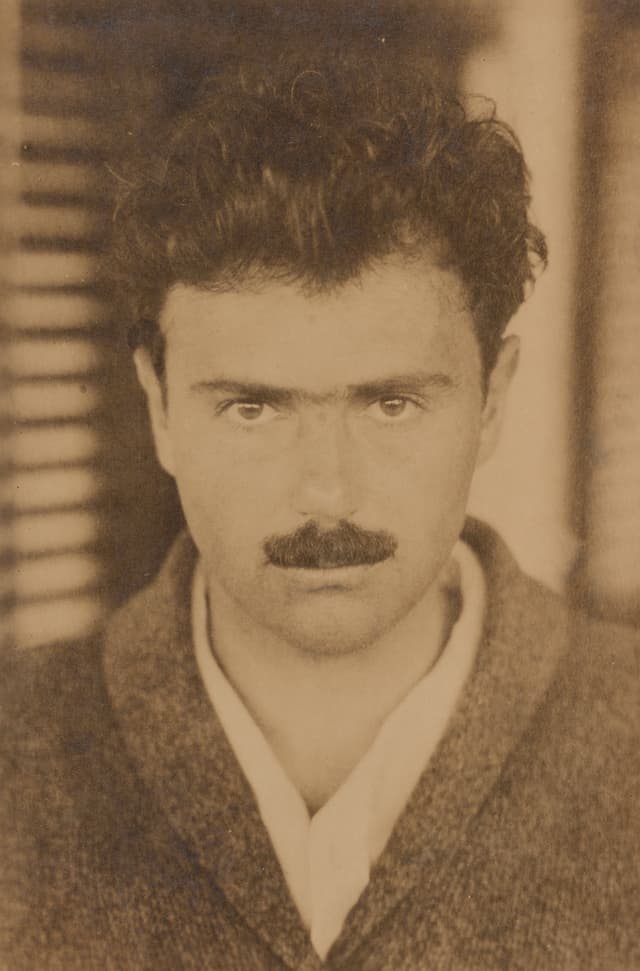
Waldo David Frank
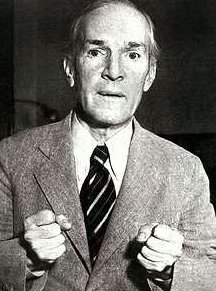
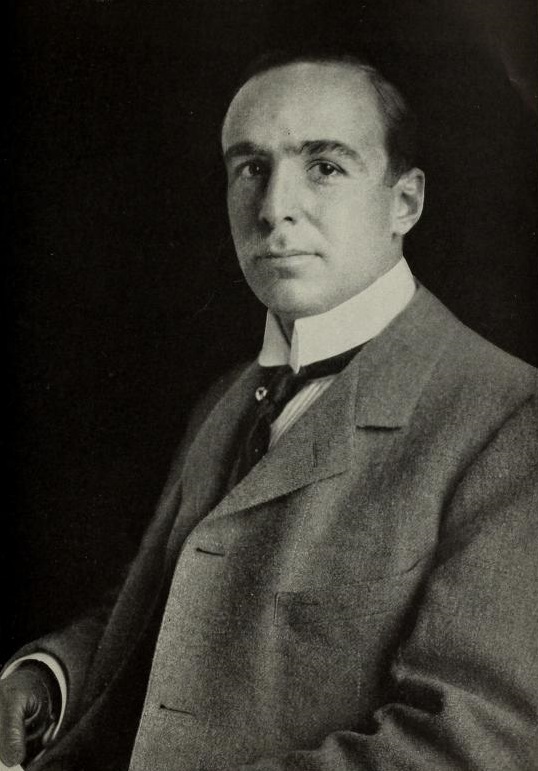
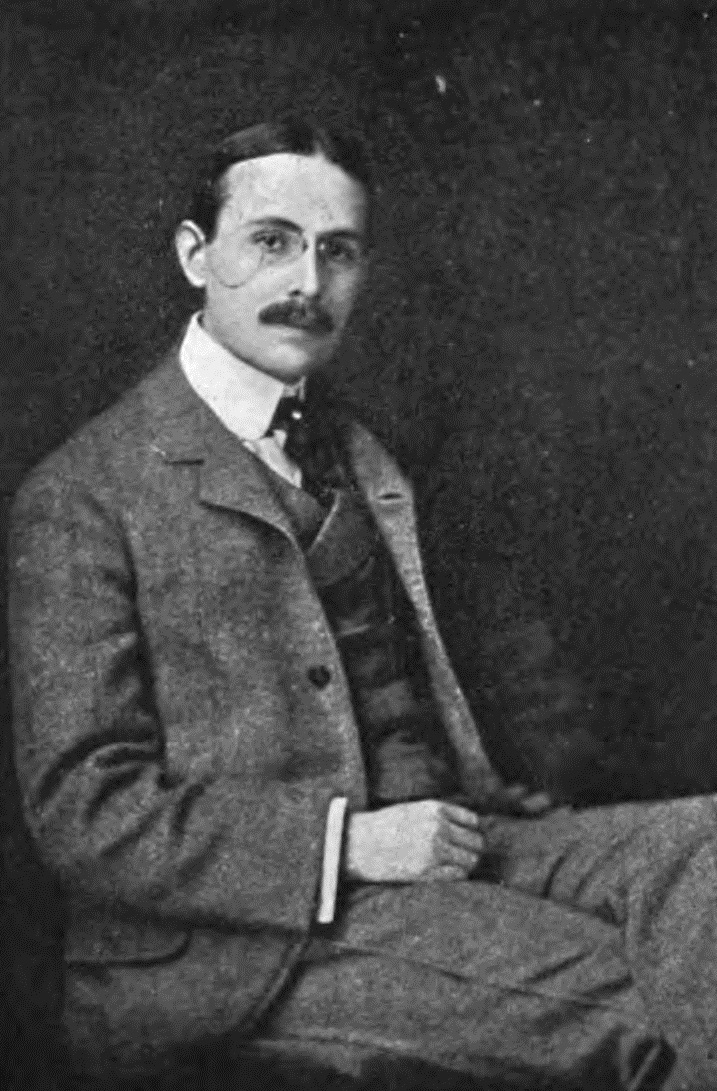
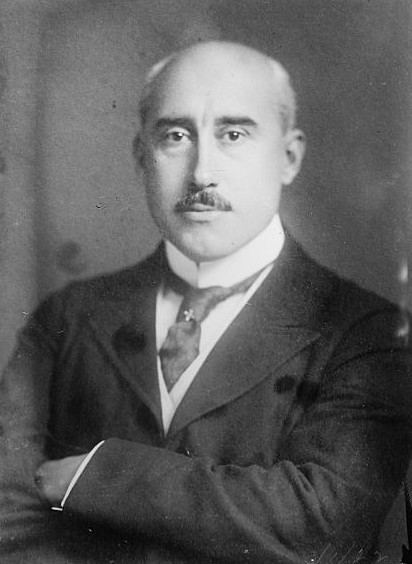
Waldo David Frank was an influential American novelist, historian, political activist, and literary critic, known for his extensive contributions to the understanding of Spanish and Latin American literature and culture. His writings, particularly during the 1920s and 1930s, established him as a significant intellectual figure, bridging the cultural divide between the Americas. Frank's notable works include essays and critiques published in prominent magazines like The New Yorker and The New Republic, where he explored themes of identity and cultural exchange. A passionate political activist, Frank was deeply engaged in the socio-political issues of his time, especially during the Great Depression. He played a pivotal role in the League of American Writers, serving as its first chair and delivering a keynote address at its inaugural congress. His radical views eventually led to a break with the Communist Party, USA in 1937, primarily due to disagreements over the treatment of Leon Trotsky, whom he met in Mexico. Frank's legacy lies in his ability to articulate the complexities of cultural and political identity, making him a significant figure in American literature and thought.
Famous Quotes
View all 1 quotes“provenían de Ortega y Gasset, de Waldo Frank y del conde Keyserling”
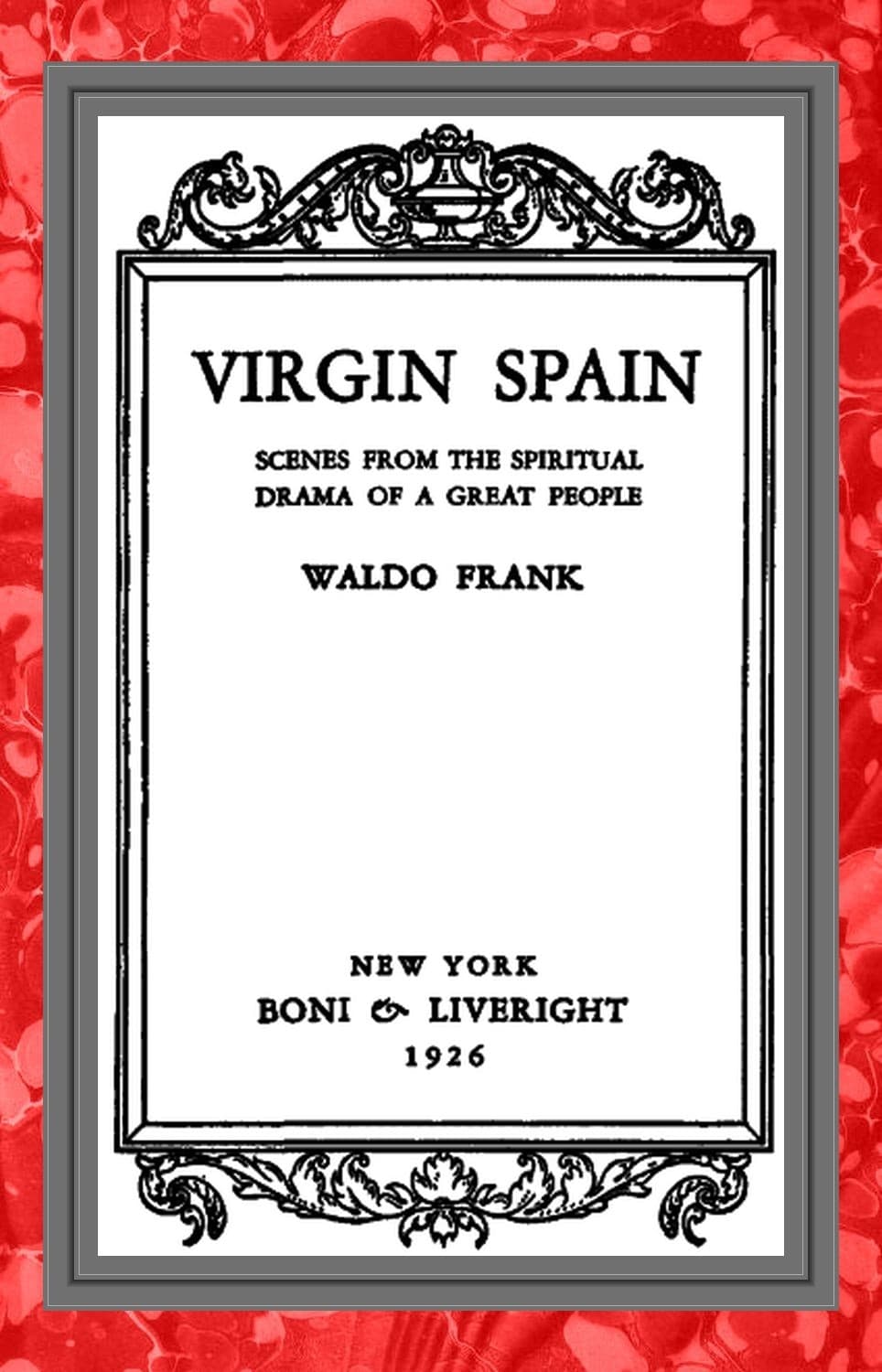
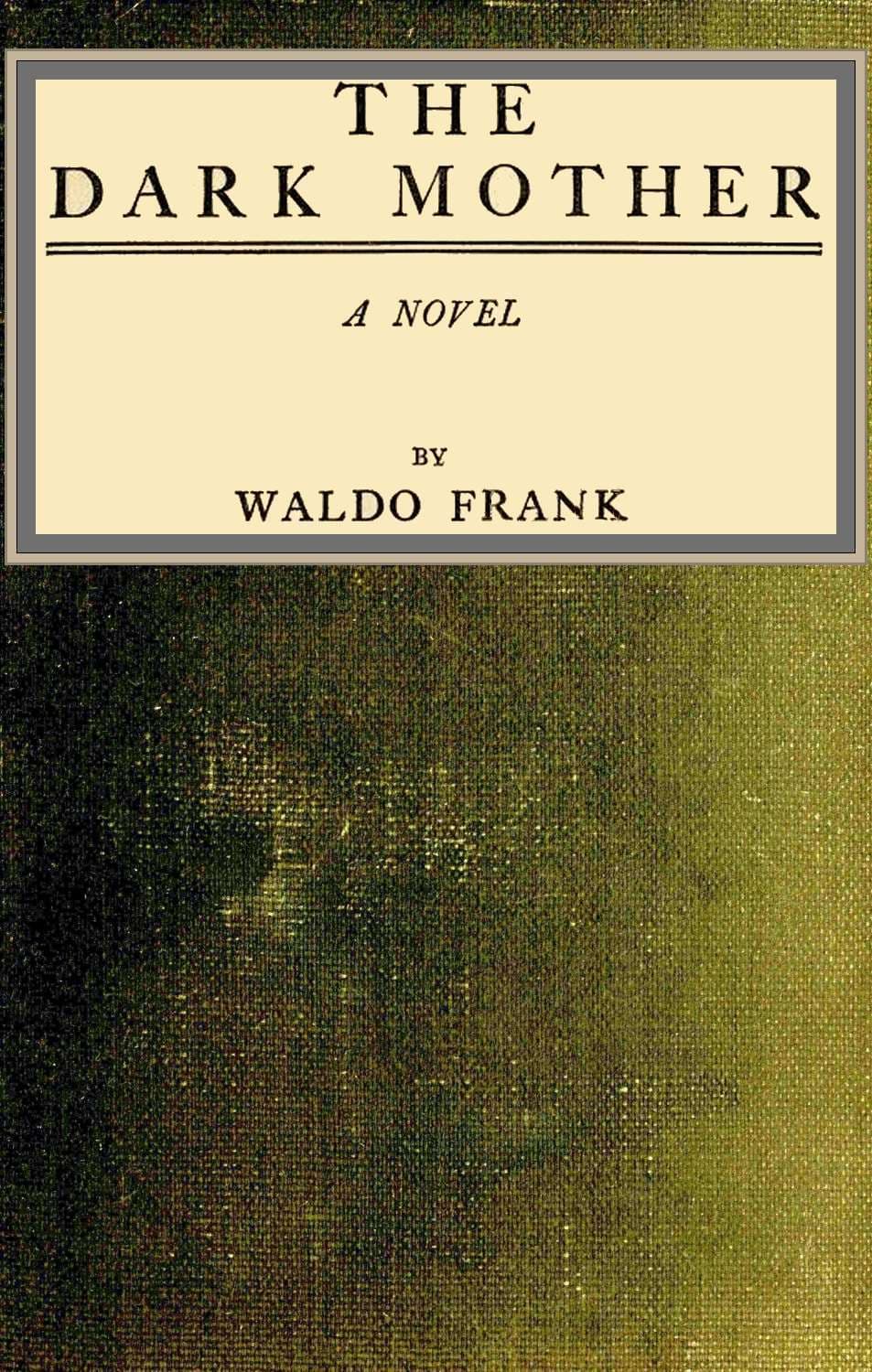
Books from the author




Link to this page
Add a free, dofollow link to Lex on your blog, forum, syllabus, or reading list.

<a href="https://lex-books.com/author/waldo-david-frank"><img src="https://lex-books.com/badges/read-on-lex.svg" alt="Waldo David Frank on Lex" width="160" height="40"></a>[](https://lex-books.com/author/waldo-david-frank)[url=https://lex-books.com/author/waldo-david-frank][img]https://lex-books.com/badges/read-on-lex.svg[/img][/url]Waldo David Frank on Lex: https://lex-books.com/author/waldo-david-frank