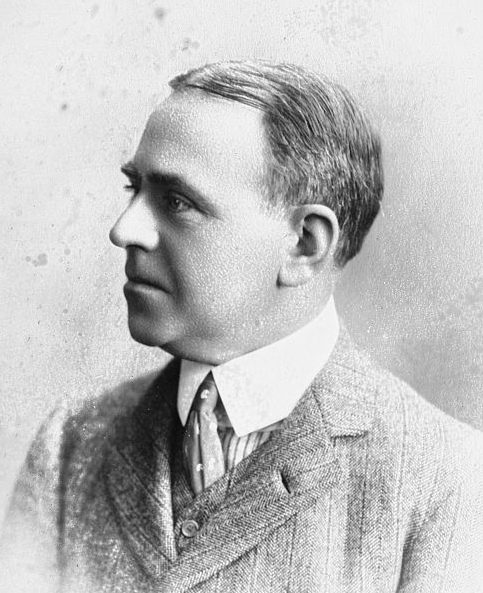
Victor Bridges
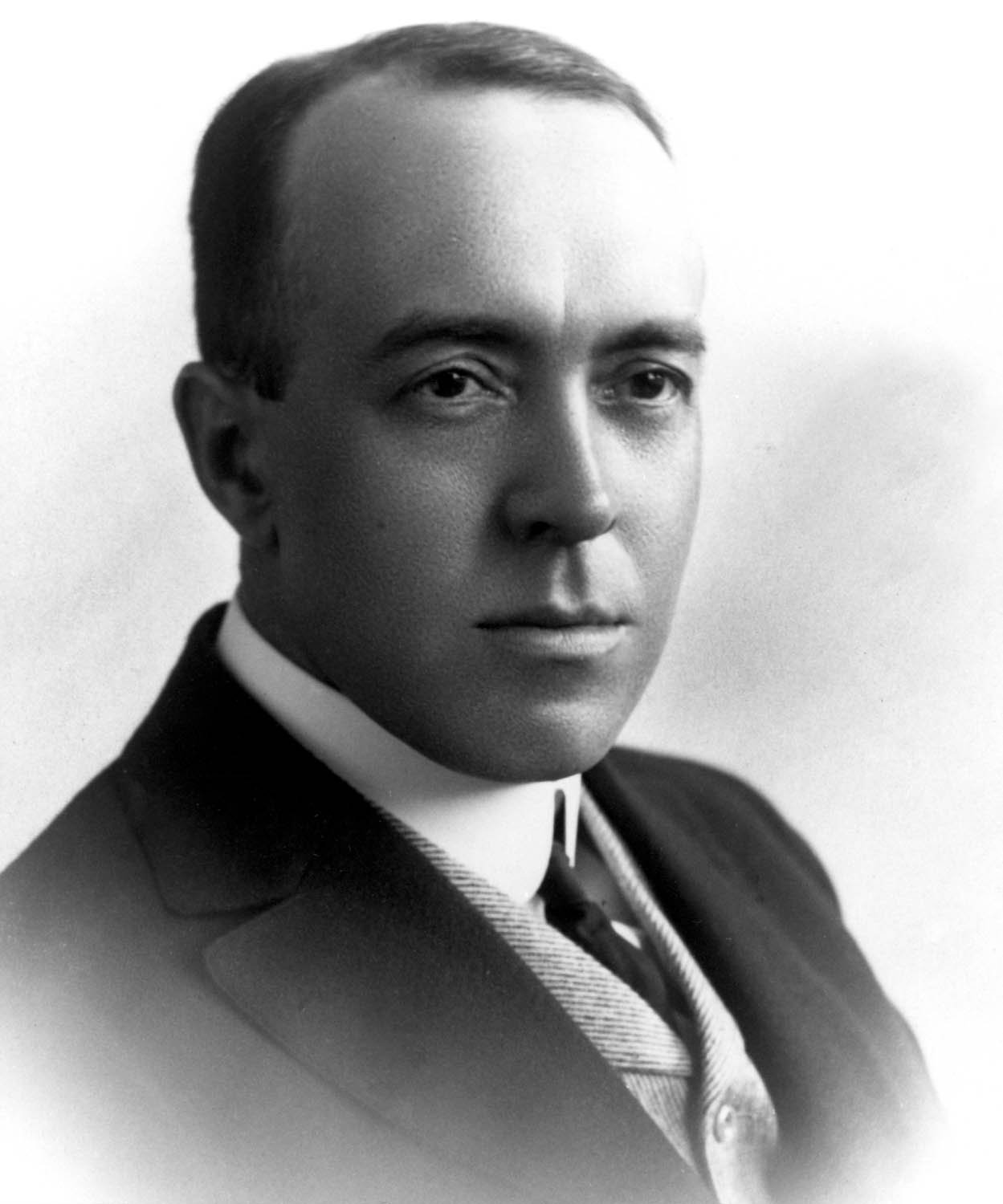
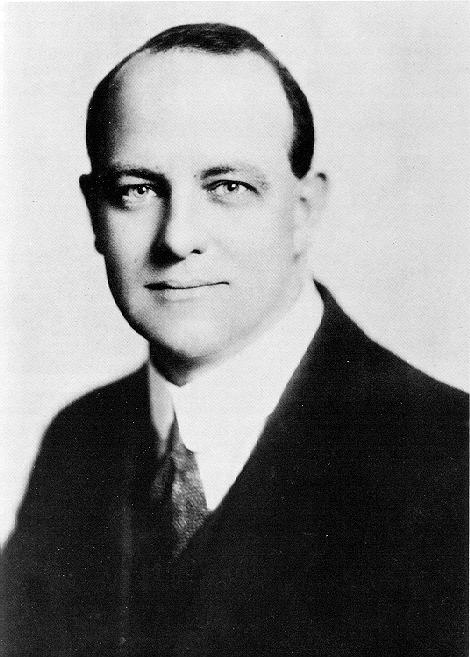
Victor Bridges, born Victor George de Freyne, was a prolific English author known for his contributions to detective and fantasy fiction. His literary career spanned several decades, during which he wrote numerous novels that captivated readers with their intricate plots and imaginative storytelling. Bridges was particularly recognized for his ability to blend elements of mystery with fantastical themes, creating a unique niche within the genres. His works included notable titles such as 'The Man Who Knew,' which showcased his skill in crafting suspenseful narratives that kept readers on the edge of their seats. In addition to his novels, Bridges was also a playwright and occasionally ventured into poetry, demonstrating his versatility as a writer. His storytelling prowess and innovative approach to genre fiction earned him a dedicated following and established him as a significant figure in early 20th-century literature. Bridges' legacy endures through his extensive body of work, which continues to be appreciated for its creativity and engaging plots, influencing subsequent generations of writers in the realms of detective and fantasy fiction.
Famous Quotes
View all 7 quotes“Admirable, however, as the Paris of the present day appears to you, build up and put together again in imagination the Paris of the fifteenth century; look at the light through that surprising host of steeples, towers, and belfries; pour forth amid the immense city, break against the points of its islands, compress within the arches of the bridges, the current of the Seine, with its large patches of green and yellow, more changeable than a serpent's skin; define clearly the Gothic profile of this old Paris upon an horizon of azure, make its contour float in a wintry fog which clings to its innumerable chimneys; drown it in deep night, and observe the extraordinary play of darkness and light in this sombre labyrinth of buildings; throw into it a ray of moonlight, which shall show its faint outline and cause the huge heads of the towers to stand forth from amid the mist; or revert to that dark picture, touch up with shade the thousand acute angles of the spires and gables, and make them stand out, more jagged than a shark's jaw, upon the copper-coloured sky of evening. Now compare the two.””
“Nothing is more dangerous than to stop working. It is a habit that can soon be lost, one that is easily neglected and hard to resume. A measure of day-dreaming is a good thing, like a drug prudently used; it allays the sometimes virulent fever of the over-active mind, like a cool wind blowing through the brain to smooth the harshness of untrammelled thought; it bridges here and there the gaps, brings things into proportion and blunts the sharper angles. But too much submerges and drowns. Woe to the intellectual worker who allows himself to lapse wholly from positive thinking into day-dreaming. He thinks he can easily change back, and tells himself that it is all one. He is wrong! Thought is the work of the intellect, reverie is its self-indulgence. To substitute day-dreaming for thought is to confuse poison with a source of nourishment.””
“Citizens, the nineteenth century is grand, but the twentieth century will be happy. Then there will be nothing more like old history. Men will no longer have to fear, as now, a conquest, an invasion, a usurpation, a rivalry of nations with the armed hand, an interruption of civilisation depending on a marriage of kings, a birth in the hereditary tyrannies, a partition of the peoples by a Congress, a dismemberment by the downfall of a dynasty, a combat of two religions meeting head to head, like two goats of darkness, upon the bridge of the infinite; they will no longer have to fear famine, speculation, prostitution from distress, misery from lack of work, and the scaffold, and the sword, and the battle, and all the brigandages of chance in the forest of events. We might almost say: there will be no events more. Men will be happy. The human race will fulfil its law as the terrestrial globe fulfils its; harmony will be re-established between the soul and the star; the soul will gravitate about the truth like the star about the light.””
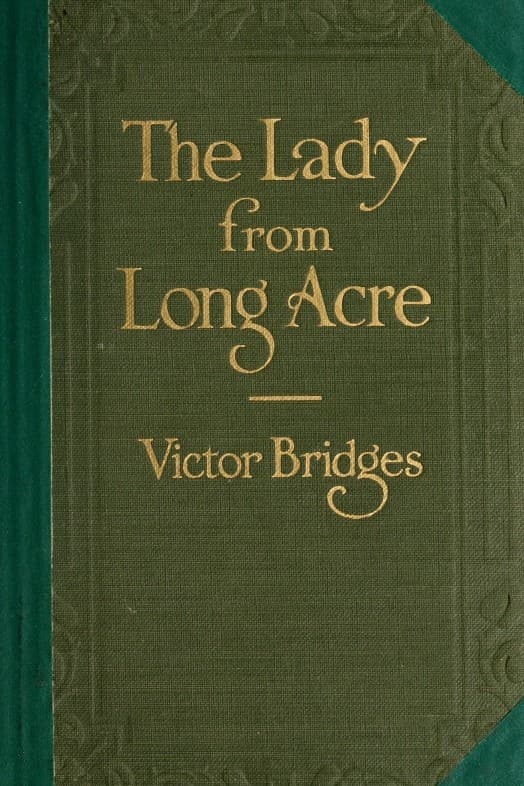
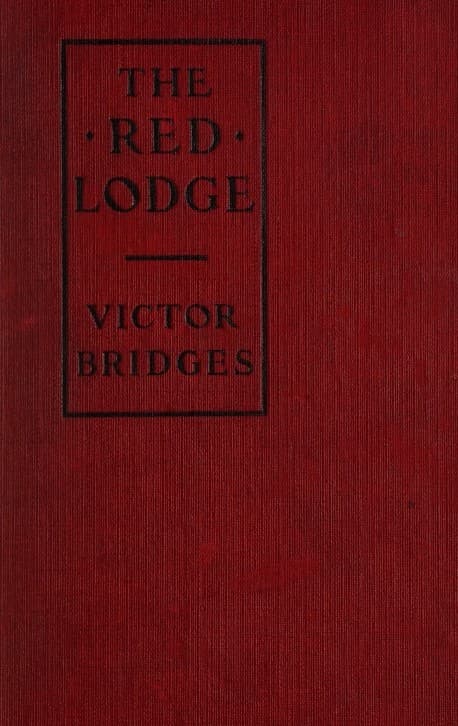
Books from the author

Link to this page
Add a free, dofollow link to Lex on your blog, forum, syllabus, or reading list.

<a href="https://lex-books.com/author/victor-bridges"><img src="https://lex-books.com/badges/read-on-lex.svg" alt="Victor Bridges on Lex" width="160" height="40"></a>[](https://lex-books.com/author/victor-bridges)[url=https://lex-books.com/author/victor-bridges][img]https://lex-books.com/badges/read-on-lex.svg[/img][/url]Victor Bridges on Lex: https://lex-books.com/author/victor-bridges