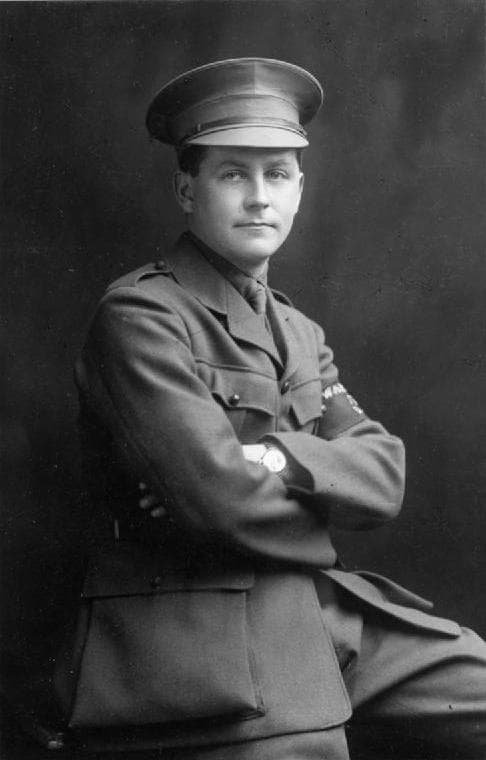
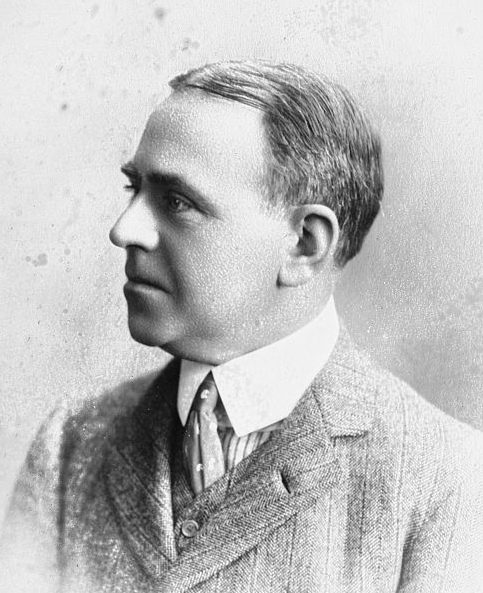
Valentine Williams
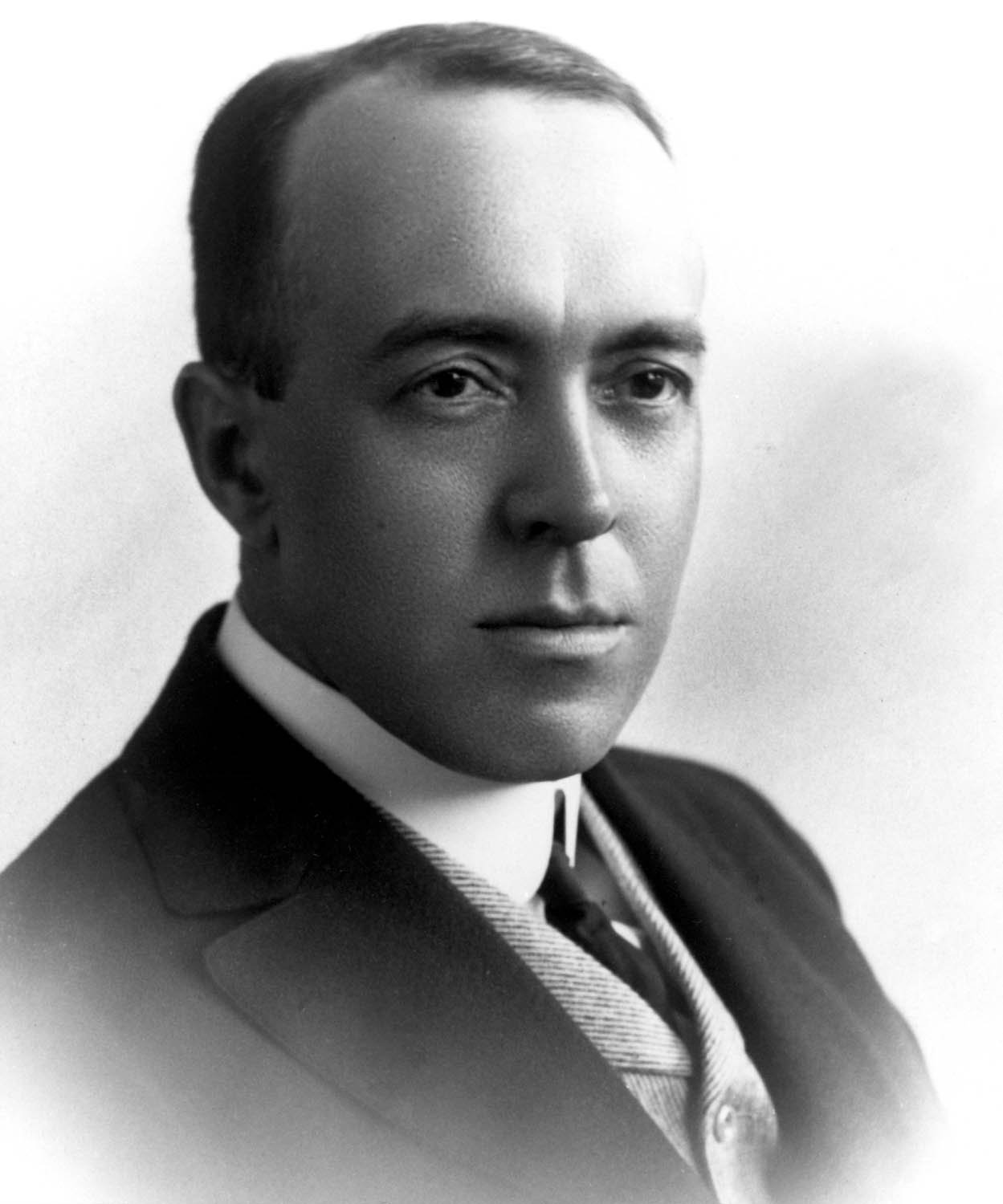
George Valentine Williams was a prominent journalist and writer of popular fiction, known for his thrilling narratives and insightful reporting. Born into a family steeped in journalism, he began his career at Reuters, becoming the correspondent in Berlin at just 21. His journalistic prowess led him to the Daily Mail, where he covered significant events such as the Portuguese revolution and the early stages of World War I. As one of the first accredited war correspondents, Williams documented the conflict from the front lines, earning the Military Cross for his service. His experiences during the war inspired two autobiographical works that reflected on the harrowing realities of combat. After the war, Williams transitioned into fiction, crafting thrillers that captivated readers. He left his role as Foreign Editor at the Daily Mail around 1926 to focus on writing full-time. His notable works include 'The Man Who Knew Too Much' and 'The House of the Seven Gables,' which showcased his ability to weave suspenseful plots with rich character development. Williams's contributions to literature and journalism left a lasting impact, as he bridged the gap between factual reporting and engaging storytelling, influencing both genres in the early 20th century.
Famous Quotes
View all 1 quotes“More daring, though, was Jung’s uninhibited interest in spiritualism, which by this time had become a controversial topic on both sides of the Atlantic, ever since 1848, when the Fox sisters of Hydesville, New York, discovered they could communicate with the spirit of a dead man. Soon after this, mediums, table turning, floating tambourines, ectoplasmic limbs, and a variety of other otherworldly phenomena became the focus of an international craze; the flood of disincarnate appearances led one investigator to speak of an “invasion of the spirit people.”7 Colorful characters like the Russian medium and mystic Helena Petrovna Blavatsky were involved, but also scientists and philosophers like William James, Oliver Lodge, William Crookes, and Frederick Myers. It is difficult for us today to realize that at the time, many of the most famous men and women in the world were involved in spiritualism, to one degree or another. Thomas Edison, for example, who joined Blavatsky’s Theosophical Society, hoped to be able to record spirits on his “Spirit Phone.” Yet, for all this, the reductionist thought that dominates the academic world today was already securely in place, and Jung was risking his future career by openly advocating the unbiased study of the paranormal.””
Books from the author


Link to this page
Add a free, dofollow link to Lex on your blog, forum, syllabus, or reading list.

<a href="https://lex-books.com/author/valentine-williams"><img src="https://lex-books.com/badges/read-on-lex.svg" alt="Valentine Williams on Lex" width="160" height="40"></a>[](https://lex-books.com/author/valentine-williams)[url=https://lex-books.com/author/valentine-williams][img]https://lex-books.com/badges/read-on-lex.svg[/img][/url]Valentine Williams on Lex: https://lex-books.com/author/valentine-williams