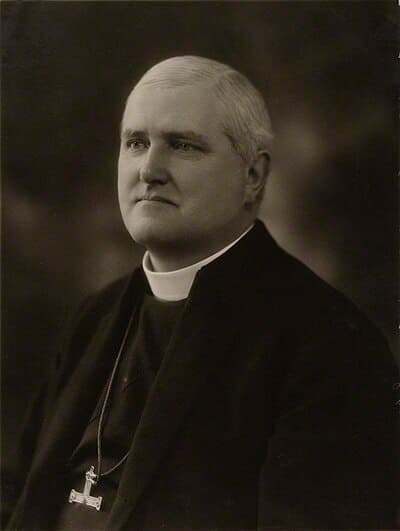
Theodore Wood
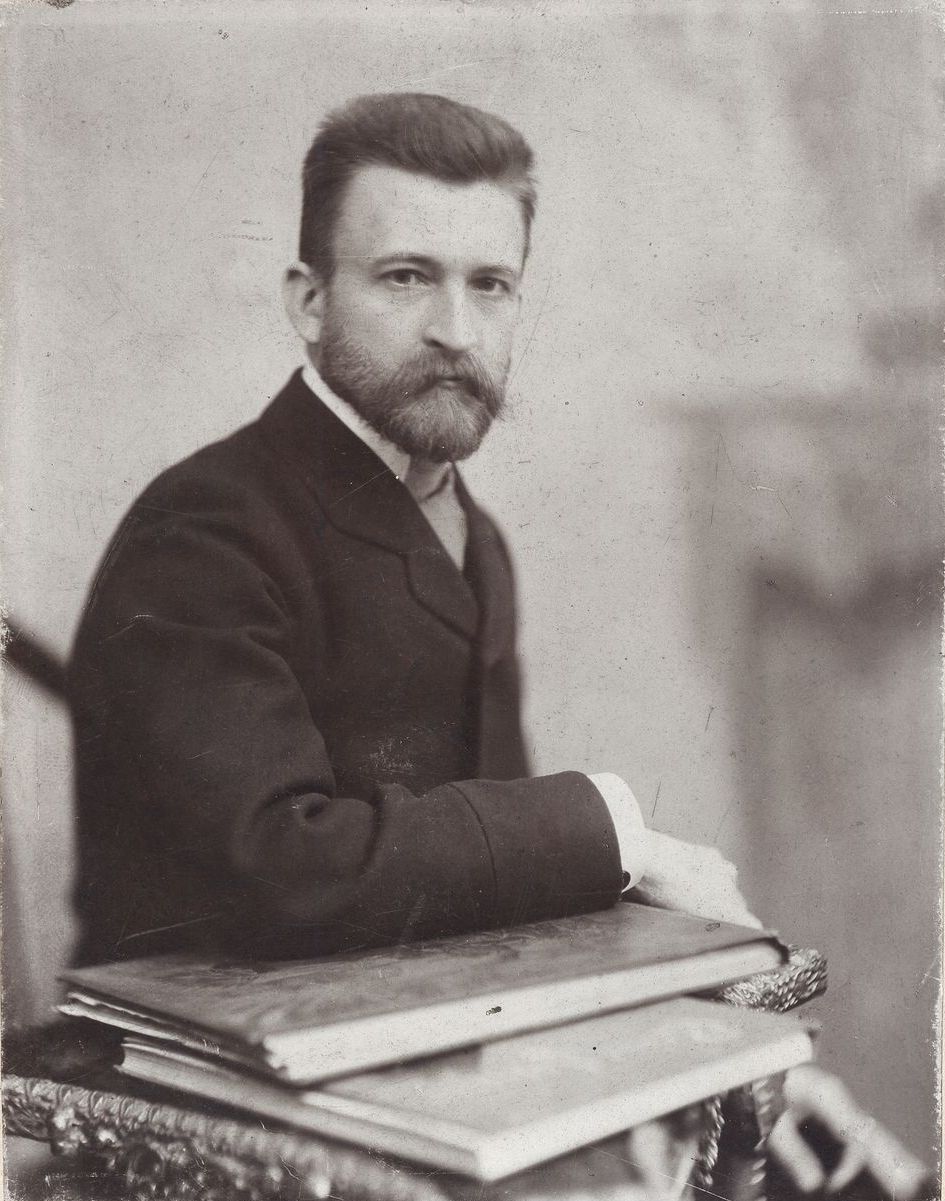
Theodore Wood was an influential Church of England bishop known for his leadership and theological contributions during a transformative period in British religious life. He served as the Bishop of Peterborough from 1916 to 1923, where he was recognized for his pastoral care and commitment to social issues, particularly in the aftermath of World War I. His tenure was marked by efforts to address the spiritual needs of a war-torn society, emphasizing the importance of community and faith in healing and rebuilding lives. In 1923, Wood was translated to the See of Winchester, one of the most prestigious positions within the Church of England, where he continued to advocate for social justice and interfaith dialogue. His sermons and writings reflected a deep engagement with contemporary issues, making him a prominent figure in the church's response to modern challenges. Wood's legacy is characterized by his dedication to the Church's mission and his ability to connect with the laity, leaving a lasting impact on the communities he served.
Famous Quotes
View all 9 quotes“In a dark time, the eye begins to see,I meet my shadow in the deepening shade;I hear my echo in the echoing wood--A lord of nature weeping to a tree.I live between the heron and the wren,Beasts of the hill and serpents of the den.What's madness but nobility of soulAt odds with circumstance? The day's on fire!I know the purity of pure despair,My shadow pinned against a sweating wall.That place among the rocks--is it a cave,Or winding path? The edge is what I have.A steady storm of correspondences! A night flowing with birds, a ragged moon,And in broad day the midnight comes again!A man goes far to find out what he is--Death of the self in a long, tearless night,All natural shapes blazing unnatural light.Dark, dark my light, and darker my desire.My soul, like some heat-maddened summer fly,Keeps buzzing at the sill. Which I is ?A fallen man, I climb out of my fear.The mind enters itself, and God the mind,And one is One, free in the tearing wind.””
“Finally, one learns that boredom is a disease of civilization. It seems to me that what boredom mostly is is that people have to keep themselves entertained or occupied, because if they aren’t, then certain anxieties, frustrations, discontents, and so forth, start coming to the surface, and it makes them uncomfortable. Boredom is almost nonexistent once you’ve become adapted to life in the woods. If you don’t have any work that needs to be done, you can sit for hours at a time just doing nothing, just listening to the birds or the wind or the silence, watching the shadows move as the sun travels, or simply looking at familiar objects. And you don’t get bored. You’re just at peace.””
“He picked up three long fresh stalks of timothy and braided them together. He upended the scythe and thrust the handle deep enough into the soft earth so it would stand upright. He tied the braided grass to one of the grips and slipped the whetstone into the loops so it would stay. Then he walked off into the woods.””
Books from the author



Link to this page
Add a free, dofollow link to Lex on your blog, forum, syllabus, or reading list.

<a href="https://lex-books.com/author/theodore-wood"><img src="https://lex-books.com/badges/read-on-lex.svg" alt="Theodore Wood on Lex" width="160" height="40"></a>[](https://lex-books.com/author/theodore-wood)[url=https://lex-books.com/author/theodore-wood][img]https://lex-books.com/badges/read-on-lex.svg[/img][/url]Theodore Wood on Lex: https://lex-books.com/author/theodore-wood