Sigfrid Siwertz
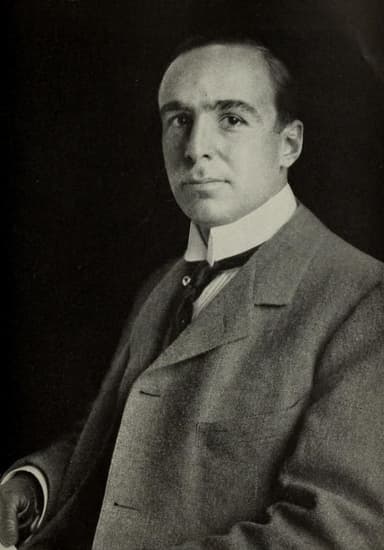
Sigfrid Siwertz was a prominent Swedish novelist and poet, born and raised in Stockholm. His literary career began with the publication of his early novel, Mälarpirater in 1911, which captured the adventurous spirit of youth through the tale of three boys navigating the waters of Mälaren on a stolen boat. This work became a staple in Swedish schools, establishing Siwertz as a significant figure in children's literature. However, it was his later novel, Selambs, published in 1920, that solidified his reputation as a major voice in Swedish literature. This two-part work offered a critical examination of the bourgeoisie, showcasing Siwertz's keen insights into social dynamics and human behavior. Selambs was so impactful that it was adapted into a television series in 1979, further cementing its place in Swedish cultural history. In addition to his novels, Siwertz was a prolific writer of poetry, plays, and short stories, contributing to various literary forms throughout his career. His influence extended beyond his writings; in 1932, he was elected to the Swedish Academy, where he served until his death in 1970. Siwertz also played a significant role in the literary community as a member of the Nobel Prize committee from 1942 to 1963, helping to shape the recognition of literary excellence in Sweden and beyond. His legacy endures through his critical explorations of society and his contributions to Swedish literature, marking him as a key figure in the early 20th-century literary landscape.
Books from the author