
Samuel R. Delany
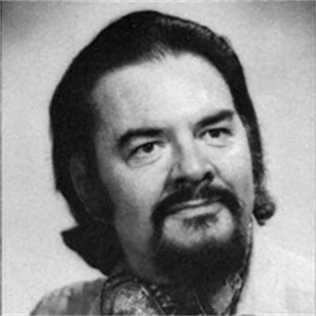
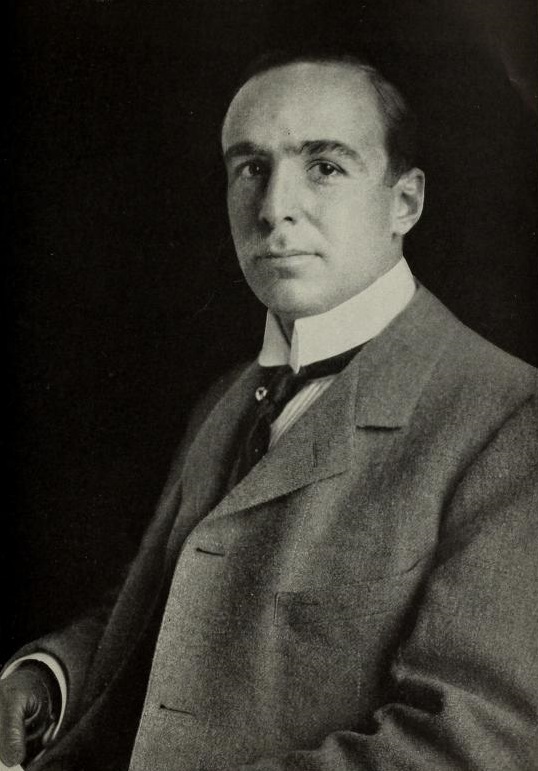
Samuel R. Delany, often known as 'Chip,' was a pioneering American writer and literary critic whose contributions to science fiction and literature have left a lasting impact. Born in 1942, Delany's work spans various genres, including fiction, memoir, and critical essays, often exploring complex themes of sexuality, identity, and society. His notable works include 'Dhalgren,' a groundbreaking novel that challenges conventional narrative structures and delves into the intricacies of urban life and human relationships, and 'The Einstein Intersection,' which won the Nebula Award and is celebrated for its innovative approach to storytelling and myth-making. Delany's literary significance extends beyond his narrative prowess; he was one of the first authors to openly address issues of race and sexuality in science fiction, paving the way for future generations of writers. His critical essays, such as those collected in 'The Motion of Light in Water,' offer profound insights into the interplay between literature and societal norms. Through his unique voice and bold themes, Delany has not only shaped the landscape of speculative fiction but has also influenced discussions on broader cultural issues, securing his legacy as a vital figure in American literature.
Famous Quotes
View all 19 quotes“You meet a new person, you go with him and suddenly you get a whole new city...you go down new streets, you see houses you never saw before, pass places you didn't even know were there. Everything changes.””
“The only important elements in any society are the artistic and the criminal, because they alone, by questioning the society’s values, can force it to change.””
“But I realized something. About art. And psychiatry. They're both self-perpetuating systems. Like religion. All of them promise you a sense of inner worth and meaning, and spend a lot of time telling you about the suffering you have to go through to achieve it. As soon as you get a problem in any one of them, the solution it gives is always to go deeper into the same system. They're all in rather uneasy truce with one another in what's actually a mortal battle. Like all self-reinforcing systems. At best, each is trying to encompass the other two and define them as sub-groups. You know: religion and art are both forms of madness and madness is the realm of psychiatry. Or, art is the study and praise of man and man's ideals, so therefore a religious experience just becomes a brutalized aesthetic response and psychiatry is just another tool for the artist to observe man and render his portraits more accurately. And the religious attitude I guess is that the other two are only useful as long as they promote the good life. At worst, they all try to destroy one another. Which is what my psychiatrist, whether he knew it or not, was trying, quite effectively, to do to my painting. I gave up psychiatry too, pretty soon. I just didn't want to get all wound up in any systems at all.””
Books from the author




Link to this page
Add a free, dofollow link to Lex on your blog, forum, syllabus, or reading list.

<a href="https://lex-books.com/author/samuel-r-delany"><img src="https://lex-books.com/badges/read-on-lex.svg" alt="Samuel R. Delany on Lex" width="160" height="40"></a>[](https://lex-books.com/author/samuel-r-delany)[url=https://lex-books.com/author/samuel-r-delany][img]https://lex-books.com/badges/read-on-lex.svg[/img][/url]Samuel R. Delany on Lex: https://lex-books.com/author/samuel-r-delany