
S. S. Van Dine
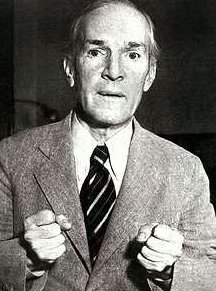
S. S. Van Dine was the pen name of Willard Huntington Wright, an American art critic who gained prominence in the realm of detective fiction during the early 20th century. Active in the avant-garde cultural scene of pre-World War I New York, Wright adopted this pseudonym to craft a series of novels featuring the sophisticated detective Philo Vance. Vance, characterized by his intellectualism and aesthetic sensibilities, made his debut in the 1920s and quickly became a cultural icon, appearing not only in literature but also in films and on radio shows, thereby expanding the reach of the detective genre beyond the printed page. Van Dine's works, including titles such as "The Benson Murder Case" and "The Greene Murder Case," are notable for their intricate plots and emphasis on the psychological aspects of crime. He is credited with elevating the detective story to a form of high art, blending elements of mystery with a keen appreciation for aesthetics and culture. His influence on the genre is significant, as he helped to shape the conventions of detective fiction, paving the way for future writers. Despite his relatively brief literary career, Van Dine's contributions have left a lasting legacy in the world of mystery literature.
Famous Quotes
View all 3 quotes“We all do things in a certain individual way, according to our temperaments. Every human act — no matter how large or how small— is a direct expression of a man's personality, and bears the inevitable impress of his nature.”
“Your mind is so typical, Markham. It works on the principle that what you don’t know isn’t knowledge, and that, since you don’t understand a thing, there is no explanation.”
“We're all servants. Some to our fellow men. Some to our vices.”
Books from the author

















Link to this page
Add a free, dofollow link to Lex on your blog, forum, syllabus, or reading list.

<a href="https://lex-books.com/author/s-s-van-dine"><img src="https://lex-books.com/badges/read-on-lex.svg" alt="S. S. Van Dine on Lex" width="160" height="40"></a>[](https://lex-books.com/author/s-s-van-dine)[url=https://lex-books.com/author/s-s-van-dine][img]https://lex-books.com/badges/read-on-lex.svg[/img][/url]S. S. Van Dine on Lex: https://lex-books.com/author/s-s-van-dine