
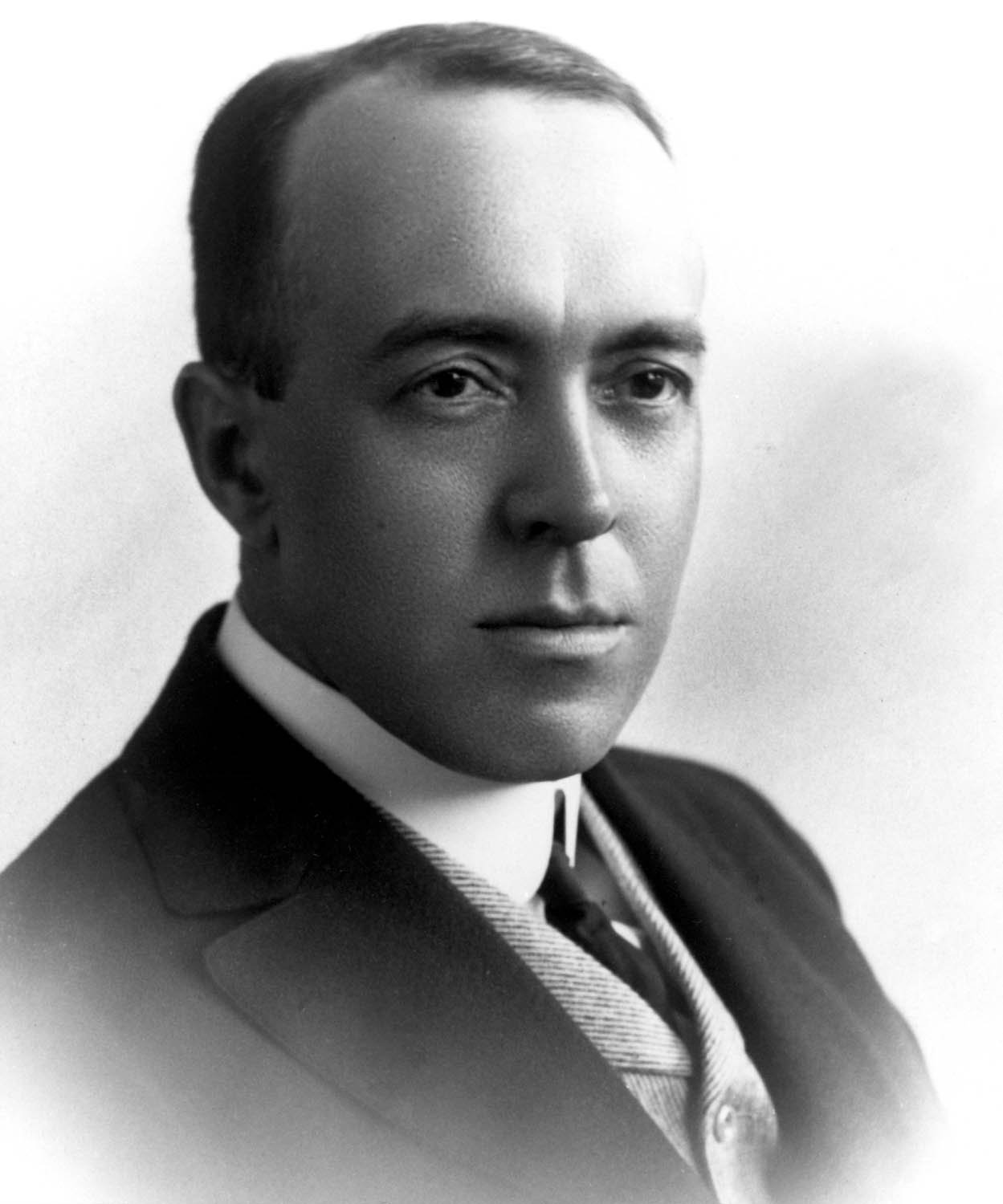
Rutherford Hayes Platt
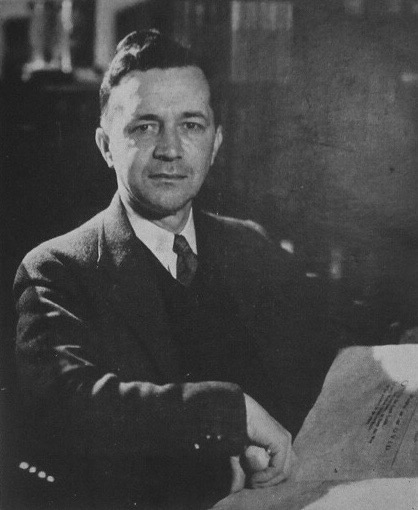
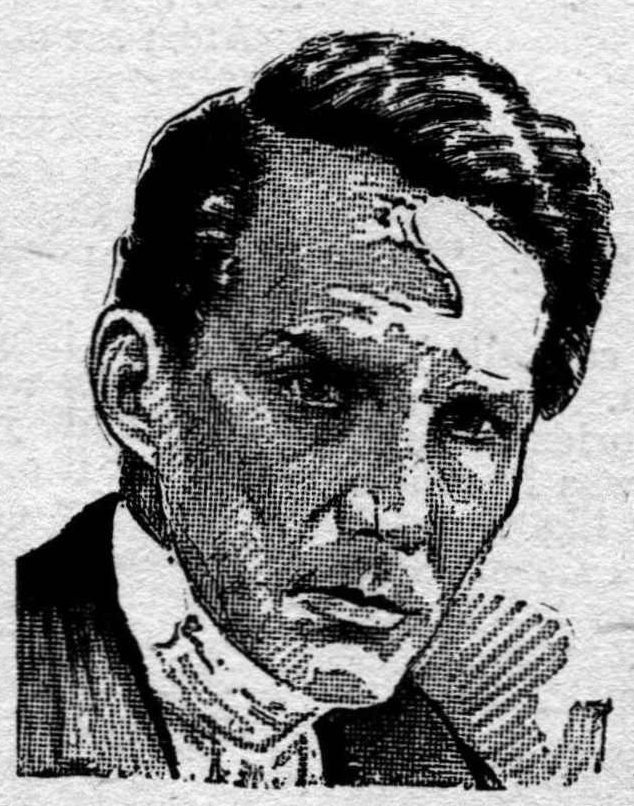
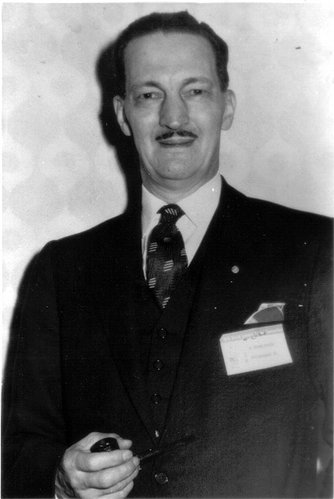
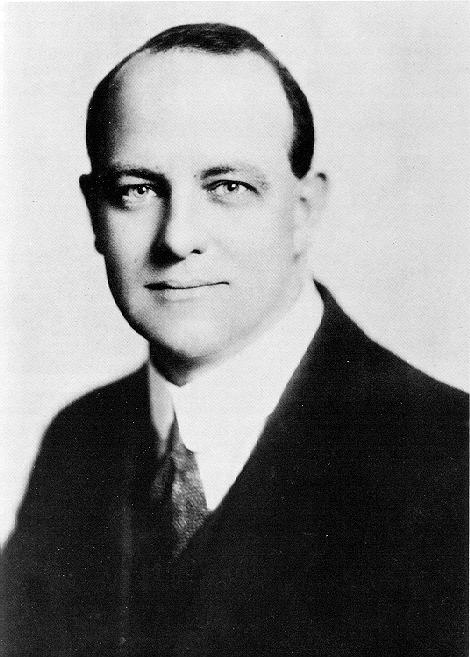
Rutherford Hayes Platt was an American author best known for his imaginative retelling of biblical stories, particularly in his work 'The First Book of Adam and Eve.' This novel, published in 1930, offers a unique perspective on the lives of the first humans, blending elements of fiction with theological themes. Platt's writing is characterized by its lyrical prose and thoughtful exploration of the human condition, reflecting his deep engagement with religious texts and their implications for understanding humanity's origins. Throughout his career, Platt contributed to the literary landscape by exploring themes of faith, morality, and the complexities of human relationships. His works often sought to bridge the gap between ancient narratives and contemporary issues, making them relevant to his audience. Although not as widely recognized as some of his contemporaries, Platt's contributions to religious literature and his ability to evoke profound questions about existence and spirituality have left a lasting impact on readers interested in the intersection of faith and fiction. His legacy endures through his thought-provoking narratives that invite reflection on the nature of humanity and divine purpose.
Famous Quotes
View all 1 quotes“While I was in the garden I knew neither heat, nor languor, neither moving about, nor trembling, nor fear; but now since I came to this land, all this affliction has come over me”
Books from the author

Link to this page
Add a free, dofollow link to Lex on your blog, forum, syllabus, or reading list.

<a href="https://lex-books.com/author/rutherford-hayes-platt"><img src="https://lex-books.com/badges/read-on-lex.svg" alt="Rutherford Hayes Platt on Lex" width="160" height="40"></a>[](https://lex-books.com/author/rutherford-hayes-platt)[url=https://lex-books.com/author/rutherford-hayes-platt][img]https://lex-books.com/badges/read-on-lex.svg[/img][/url]Rutherford Hayes Platt on Lex: https://lex-books.com/author/rutherford-hayes-platt