
Robert Smythe Hichens
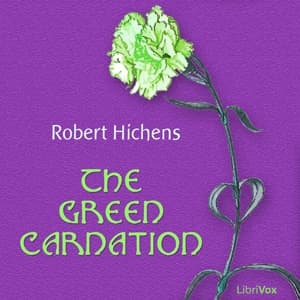
Robert Smythe Hichens was an English novelist and playwright, known for his vivid storytelling and exploration of complex human emotions. Born in 1864, he gained prominence in the late 19th and early 20th centuries with works that often delved into themes of morality, desire, and the human condition. His most notable novels include 'The Green Carnation,' which challenged societal norms regarding sexuality, and 'The Garden of Allah,' a romantic tale set in North Africa that captivated readers with its lush descriptions and philosophical undertones. Hichens' ability to weave intricate plots with rich character development made him a significant figure in the literary landscape of his time. Hichens was not only a novelist but also a successful playwright and essayist, contributing to various literary magazines. His works often reflected the changing social mores of the Edwardian era, and he was known for his controversial views, particularly regarding religion and sexuality. His literary significance lies in his ability to address taboo subjects with sensitivity and insight, paving the way for future writers to explore similar themes. Hichens' legacy endures through his contributions to literature, as he remains a notable figure in discussions of early modernist literature and the evolution of narrative style in the early 20th century.
Books from the author

Link to this page
Add a free, dofollow link to Lex on your blog, forum, syllabus, or reading list.

<a href="https://lex-books.com/author/robert-smythe-hichens"><img src="https://lex-books.com/badges/read-on-lex.svg" alt="Robert Smythe Hichens on Lex" width="160" height="40"></a>[](https://lex-books.com/author/robert-smythe-hichens)[url=https://lex-books.com/author/robert-smythe-hichens][img]https://lex-books.com/badges/read-on-lex.svg[/img][/url]Robert Smythe Hichens on Lex: https://lex-books.com/author/robert-smythe-hichens