What would you like to read?Search books, authors, genres, shelves, users...
Search books, authors, genres, shelves, users...Search books, authors, genres, shelves, users...

What would you like to read?Search books, authors, genres, shelves, users...
Search books, authors, genres, shelves, users...Search books, authors, genres, shelves, users...
7 books
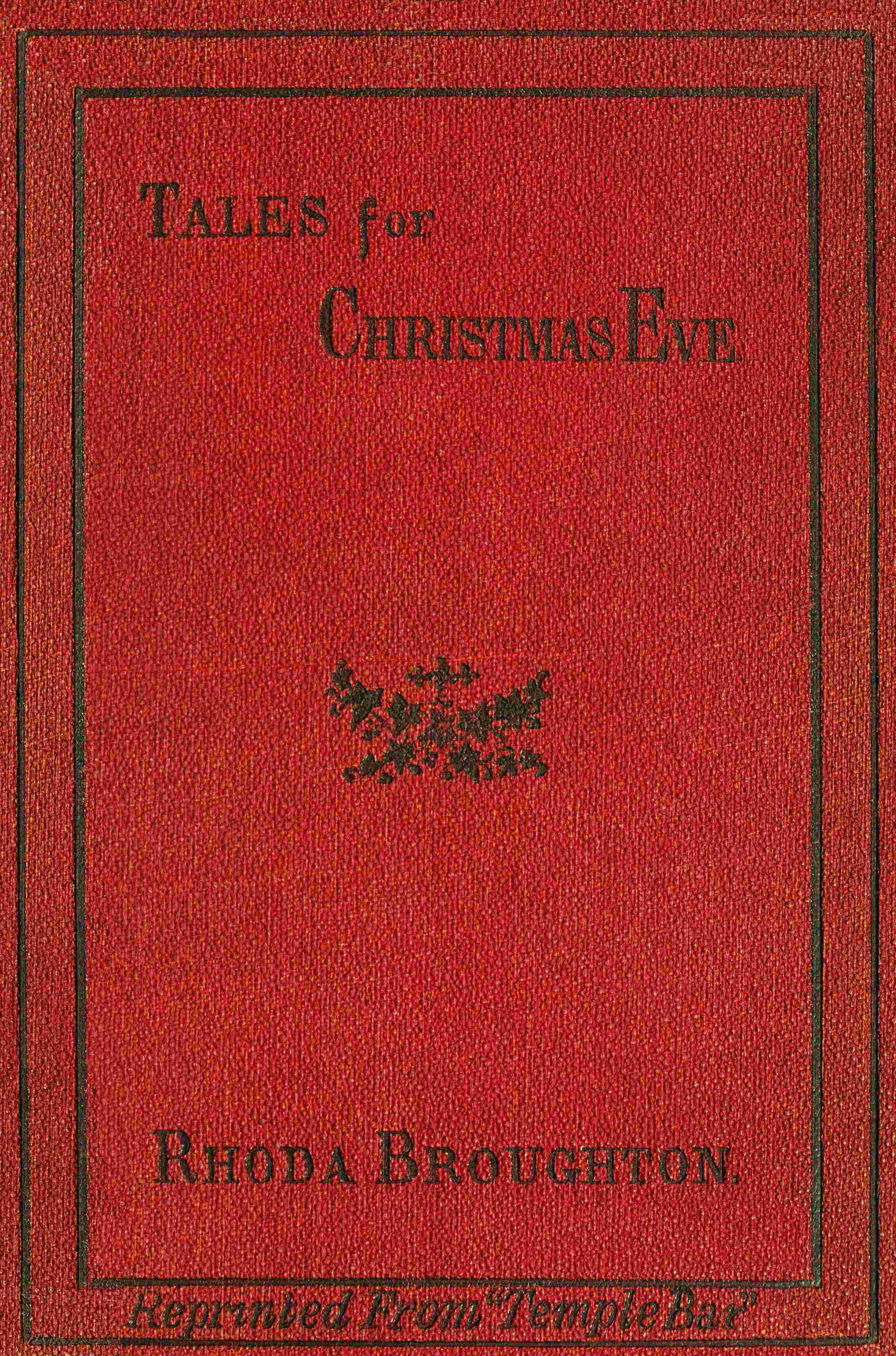
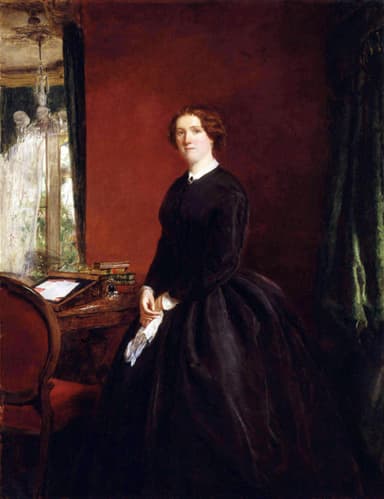
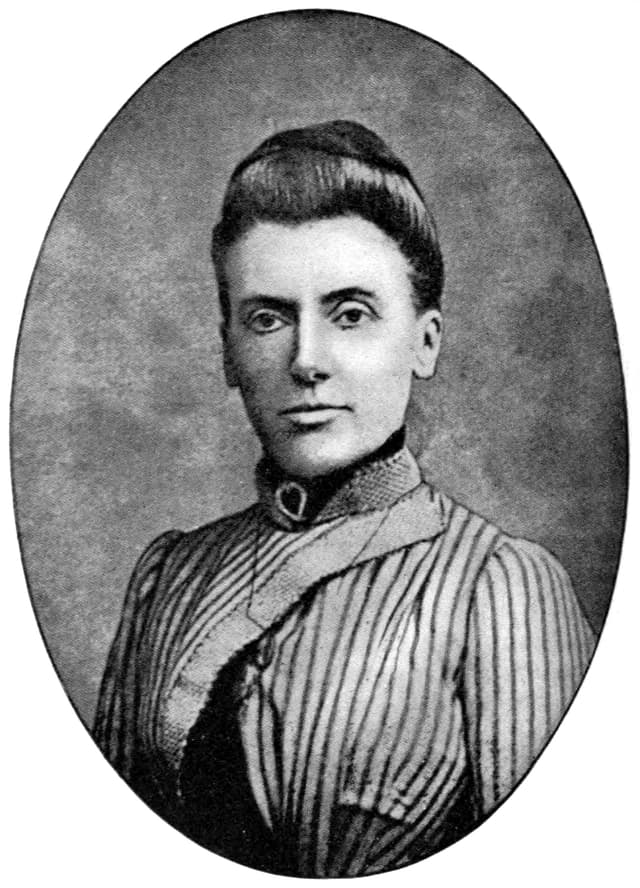
Rhoda Broughton (29 November 1840 – 5 June 1920) was a Welsh novelist and short story writer. Her early novels earned a reputation for sensationalism, so that her later, stronger work tended to be neglected by critics, although she was called a queen of the circulating libraries. Her novel Dear Faustina (1897) has been noted for its homoeroticism. Her novel Lavinia (1902) depicts a seemingly "unmanly" young man, who wishes he had been born as a woman. Broughton descended from the Broughton baronets, as a granddaughter of the 8th baronet. She was a niece of Sheridan le Fanu, who helped her to start her literary career. She was a long-time friend of fellow writer Henry James and was noted for her adversarial relationship with both Lewis Carroll and Oscar Wilde.

Great kingdoms grew into being in the old times, at least we suppose so, we having now nothing of them but their dark old tombs. Big men did big things, and might as well never have done them for all we know about them, seeing that they rot now in such unrescued, irrecoverable oblivion. Even the most learned of our pundits in the historical and antiquarian line have but the most shadowy impression of what brave deeds were done, of what wise thoughts were thought, of how men lived and loved, and believed and hoped that dim far dawning. As for the bulk of us ignoramuses or ignorami (as I suppose would be the correct plural), it is a great chance if we know the names of the four great empires that people talk so much about nowadays. But
Poor Victor! poor Victor!” she thought; and then she tried mentally to project herself into the situation of the wretched, remorseful Frenchwoman, the coquette whose penitence came too late; the frail wife, whose heart was lying by the cold heart of the gallant young Hungarian noble. “I would not have treated him so; at least I do not think so, and yet who knows what I might do, if I were a great beauty and a princess like her? Some say that virtue is only absence of temptation.
I must try and be good, or clever, or eccentric, for it was very evident that pretty I could never be
Great kingdoms grew into being in the old times, at least we suppose so, we having now nothing of them but their dark old tombs. Big men did big things, and might as well never have done them for all we know about them, seeing that they rot now in such unrescued, irrecoverable oblivion. Even the most learned of our pundits in the historical and antiquarian line have but the most shadowy impression of what brave deeds were done, of what wise thoughts were thought, of how men lived and loved, and believed and hoped that dim far dawning. As for the bulk of us ignoramuses or ignorami (as I suppose would be the correct plural), it is a great chance if we know the names of the four great empires that people talk so much about nowadays. But
Poor Victor! poor Victor!” she thought; and then she tried mentally to project herself into the situation of the wretched, remorseful Frenchwoman, the coquette whose penitence came too late; the frail wife, whose heart was lying by the cold heart of the gallant young Hungarian noble. “I would not have treated him so; at least I do not think so, and yet who knows what I might do, if I were a great beauty and a princess like her? Some say that virtue is only absence of temptation.