
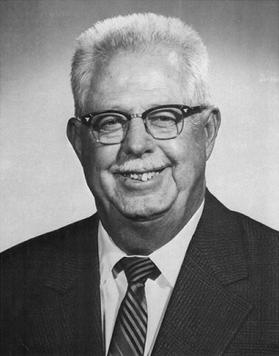
Paul G. Redington
Paul G. Redington was an influential figure in the early 20th century, known for his contributions to wildlife management and biological surveys in the United States. He served as a key member of the Bureau of Biological Survey, where he focused on the control of injurious rodents and predatory animals, which were significant threats to agriculture and public health. His work was crucial during a time when the understanding of ecological balance and wildlife management was still developing, and he played a pivotal role in shaping policies that would influence conservation practices for decades to come. One of Redington's notable works, "Information for the Guidance of Field Men and Cooperators of the Bureau of Biological Survey Engaged in the Control of Injurious Rodents and Predatory Animals," provided essential guidelines and strategies for field workers. This publication not only reflected his expertise but also underscored the importance of scientific research in addressing human-wildlife conflicts. Redington's legacy lies in his commitment to integrating scientific knowledge into practical applications, which helped lay the groundwork for modern wildlife management and conservation efforts.
Books from the author


Link to this page
Add a free, dofollow link to Lex on your blog, forum, syllabus, or reading list.

<a href="https://lex-books.com/author/paul-g-redington"><img src="https://lex-books.com/badges/read-on-lex.svg" alt="Paul G. Redington on Lex" width="160" height="40"></a>[](https://lex-books.com/author/paul-g-redington)[url=https://lex-books.com/author/paul-g-redington][img]https://lex-books.com/badges/read-on-lex.svg[/img][/url]Paul G. Redington on Lex: https://lex-books.com/author/paul-g-redington