Paul Ernst
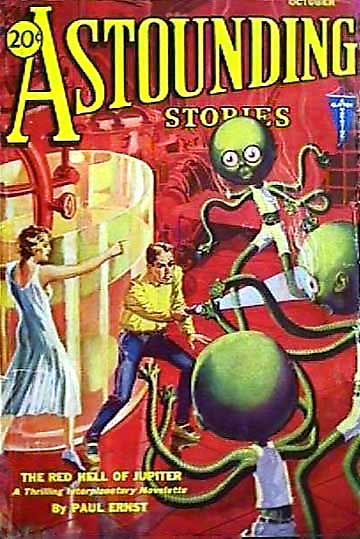
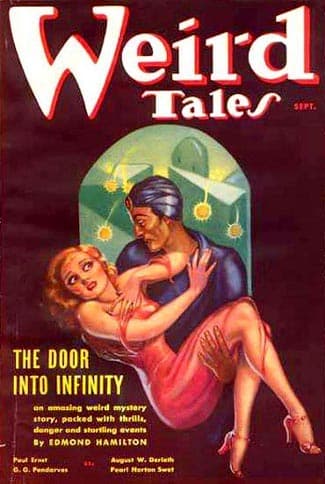
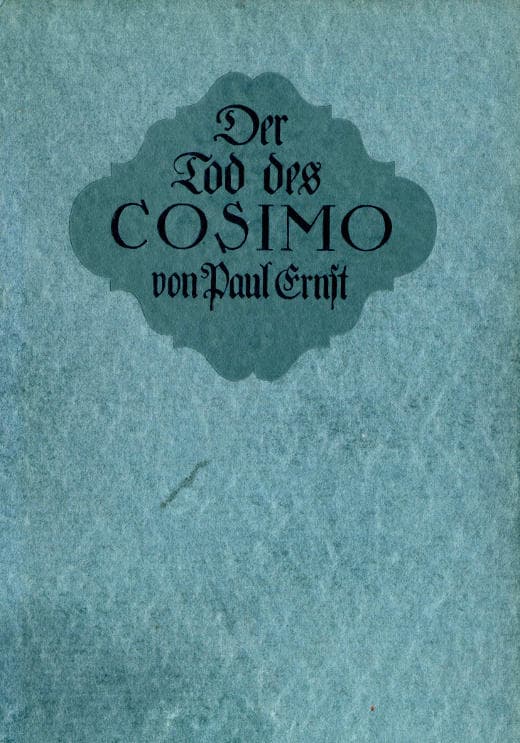
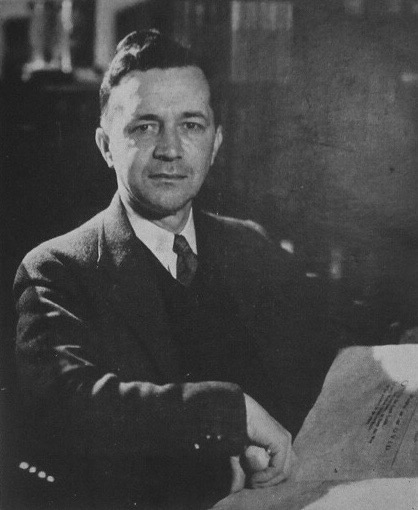
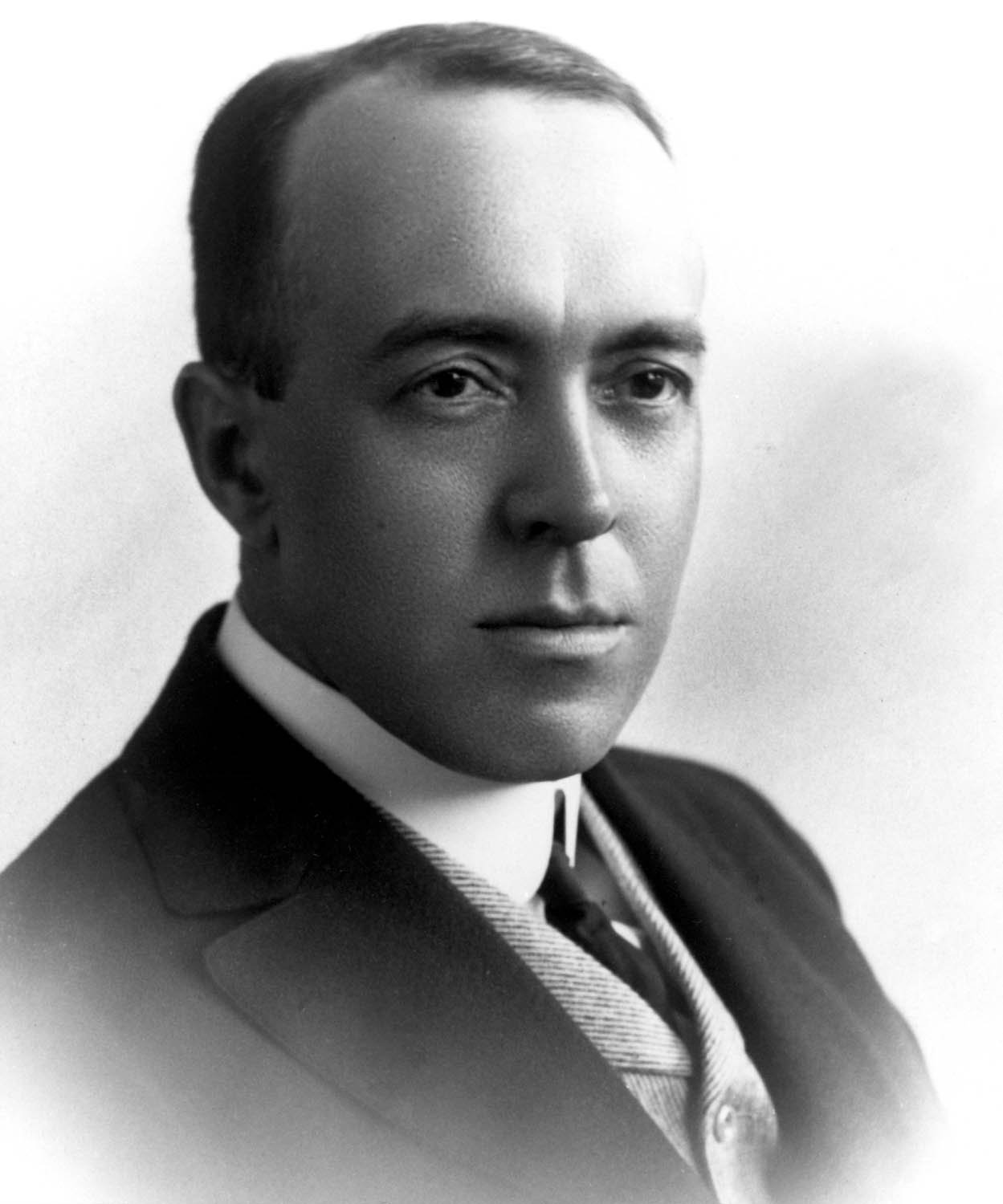
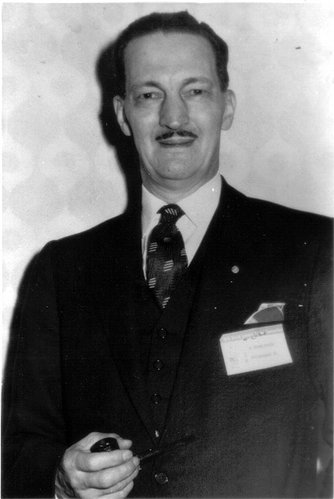
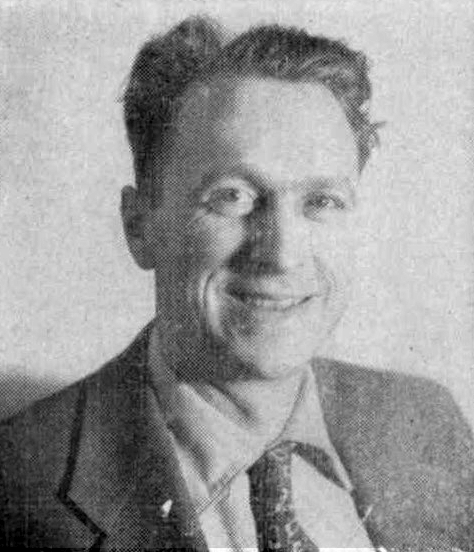
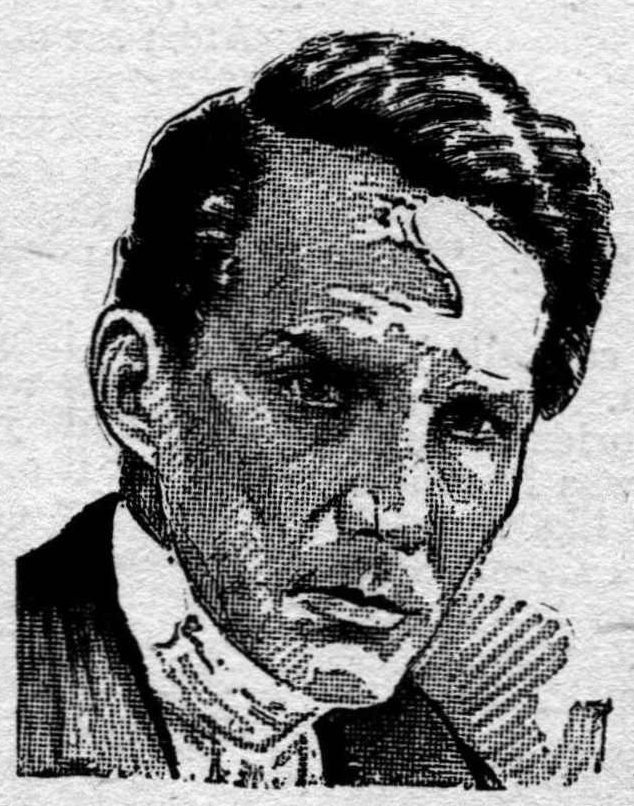
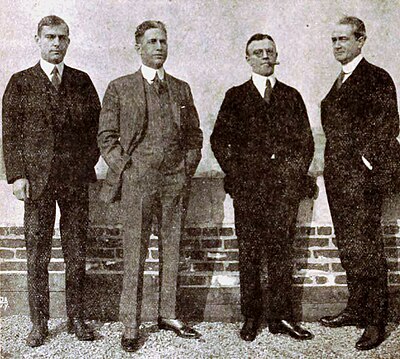
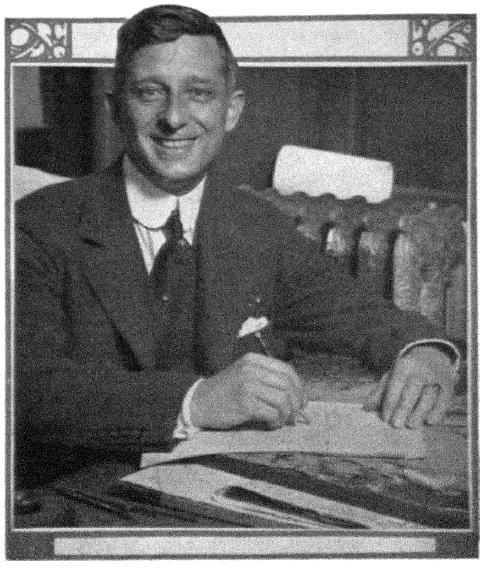
Paul Ernst was an American author and editor known for his contributions to the genre of speculative fiction, particularly during the early to mid-20th century. He was born in 1899 and became a prominent figure in the pulp magazine scene, where he wrote a variety of stories that often blended elements of science fiction, fantasy, and horror. Ernst's work was characterized by its imaginative plots and richly developed characters, which reflected the anxieties and aspirations of his time. Among his notable works are 'The Man Who Awoke,' a novel that explores the consequences of a man who can manipulate time, and numerous short stories published in magazines such as Weird Tales and Amazing Stories. In addition to his fiction writing, Ernst was also an influential editor, shaping the direction of speculative fiction through his editorial roles at various magazines. His editorial vision helped to elevate the genre, encouraging new writers and innovative storytelling techniques. Ernst's legacy is significant in the realm of early science fiction and fantasy, as he paved the way for future generations of writers. His ability to weave complex narratives with philosophical undertones has earned him a respected place in the literary canon of speculative fiction, influencing both contemporaries and later authors in the genre.
Famous Quotes
View all 7 quotes“As New Testament scholar Ernst Käsemann once said, “In scholarship as in life, no one can possess the truth except by constantly learning it afresh; and no one can learn it afresh without listening to the people who are his companions on the search for that truth. Community does not necessarily mean agreement.”13””
“Field Marshall Helmuth von Moltke, the leading nineteenth-century Prussian strategist, was said to have laughed only twice: once when told that a certain French fortress was impregnable, and once when his mother-in-law died. Martin Heidegger, whom some regard as the greatest philosopher of the twentieth century but many find incomprehensible, was even more sparing of his mirth. He is recorded to have laughed only once, at a picnic with Ernst Jünger in the Harz Mountains. Jünger leaned over to pick up a sauerkraut and sausage roll, and his lederhosen split with a tremendous crack. Heidegger let out a shout of glee, but immediately checked himself, “and his facial expression reverted to its habitual ferocity.””
“From the Right, history appears as the history of Being, as the disclosure of an essential condition that carries its own immutable necessity. From the Left, history is the history of emancipation. It presents the capacity of humanity to choose and alter its condition. For the Right, the record of injustice yields an irreducible ground of suffering that must be affirmed as the essence of Being for humanity. For the Left, suffering is only that which waits to be turned aside when the advanced freedom brings humanity to the point where a choice can be upheld.””
Books from the author


Link to this page
Add a free, dofollow link to Lex on your blog, forum, syllabus, or reading list.

<a href="https://lex-books.com/author/paul-ernst"><img src="https://lex-books.com/badges/read-on-lex.svg" alt="Paul Ernst on Lex" width="160" height="40"></a>[](https://lex-books.com/author/paul-ernst)[url=https://lex-books.com/author/paul-ernst][img]https://lex-books.com/badges/read-on-lex.svg[/img][/url]Paul Ernst on Lex: https://lex-books.com/author/paul-ernst