
Patrick Manson
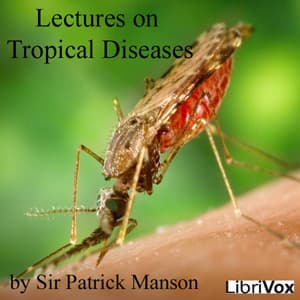
Patrick Manson was a pioneering Scottish physician and parasitologist, often referred to as the father of tropical medicine. Born in the 19th century, he dedicated his career to studying diseases prevalent in tropical regions, particularly those affecting British colonial territories. His seminal work, "Lectures on Tropical Diseases," established foundational principles in the field, addressing the unique challenges posed by these illnesses and advocating for improved public health measures in tropical climates. Manson's research significantly advanced the understanding of parasitic diseases, including his studies on filariasis, which he detailed in "The filaria sanguinis hominis and certain new forms of parasitic disease in India, China, and...". His contributions not only influenced medical practices of his time but also laid the groundwork for future research in parasitology and tropical medicine. Manson's legacy extends beyond his own research; he played a crucial role in the establishment of the London School of Hygiene & Tropical Medicine, fostering a new generation of researchers and public health experts. His work emphasized the importance of understanding the life cycles of parasites and the environmental factors that contribute to disease transmission. Manson's insights into tropical diseases continue to be relevant today, as global health challenges evolve and the need for effective disease control strategies remains critical.
Books from the author
Link to this page
Add a free, dofollow link to Lex on your blog, forum, syllabus, or reading list.

<a href="https://lex-books.com/author/patrick-manson"><img src="https://lex-books.com/badges/read-on-lex.svg" alt="Patrick Manson on Lex" width="160" height="40"></a>[](https://lex-books.com/author/patrick-manson)[url=https://lex-books.com/author/patrick-manson][img]https://lex-books.com/badges/read-on-lex.svg[/img][/url]Patrick Manson on Lex: https://lex-books.com/author/patrick-manson