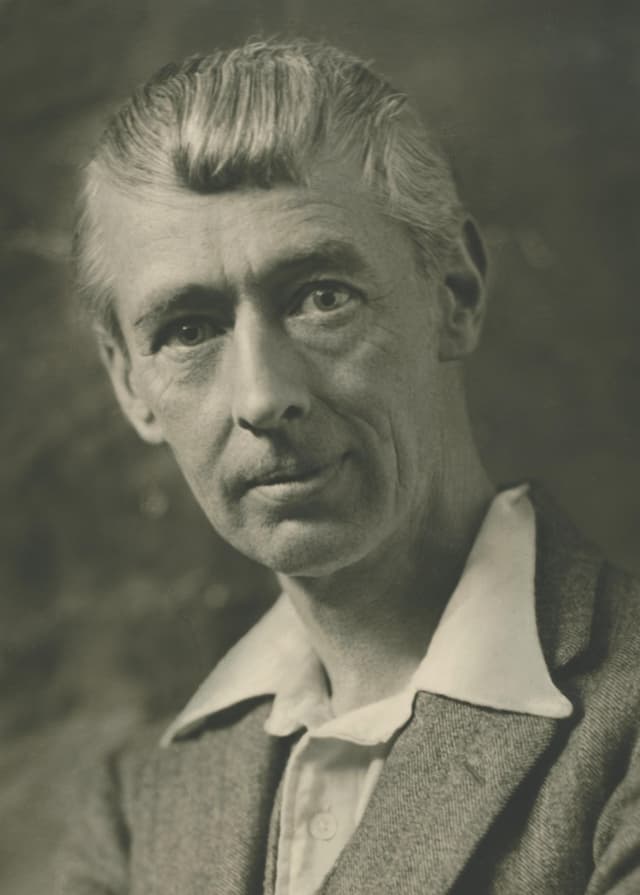
Norman Lindsay
Norman Lindsay was a multifaceted Australian artist and writer, renowned for his contributions to literature, visual arts, and criticism. He was a prolific figure in the Australian cultural landscape, known for his provocative works that often blended erotic themes with the natural beauty of Australia. Lindsay's art and literature frequently sparked controversy, with critics labeling his creations as 'anti-Christian' and 'degenerate.' His staunch nationalism and anti-modernist views positioned him as a significant voice in the discourse surrounding Australian art during his time. Among his notable literary achievements, Lindsay's 1918 children's book, The Magic Pudding, has become a beloved classic, celebrated for its whimsical storytelling and imaginative illustrations. This work exemplified his belief that children should be entertained with fantastical tales rather than mundane subjects. Beyond his artistic endeavors, Lindsay's larrikin spirit and libertine philosophy often placed him at odds with the moral conservatism of his era, a conflict that was later depicted in the film Sirens. Today, his legacy endures through the Norman Lindsay Gallery and Museum, which showcases his extensive body of work and continues to engage audiences with his unique vision of Australian culture.
Famous Quotes
View all 3 quotes“Apologies are totally inadequate,' shouted Uncle Wattleberry. 'Nothing short of felling you to the earth with an umbrella could possibly atone for the outrage. You are a danger to the whisker-growing public. You have knocked my hat off, pulled my whiskers, and tried to remove my nose.”
“The best love affairs are those we never had”
“Let your conduct be noble, and never sing the National Anthem to people wearing bell-toppers.”
Books from the author


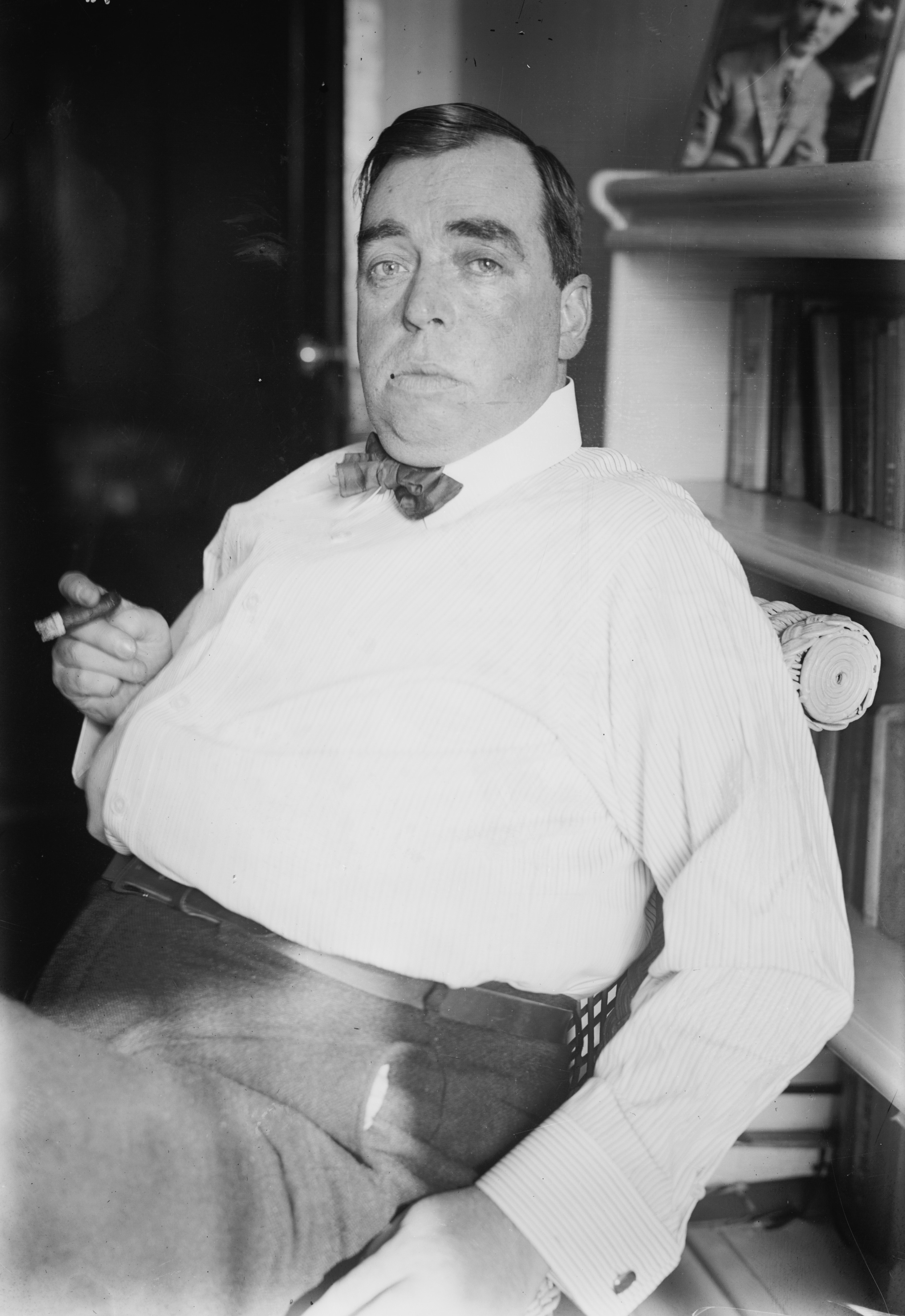
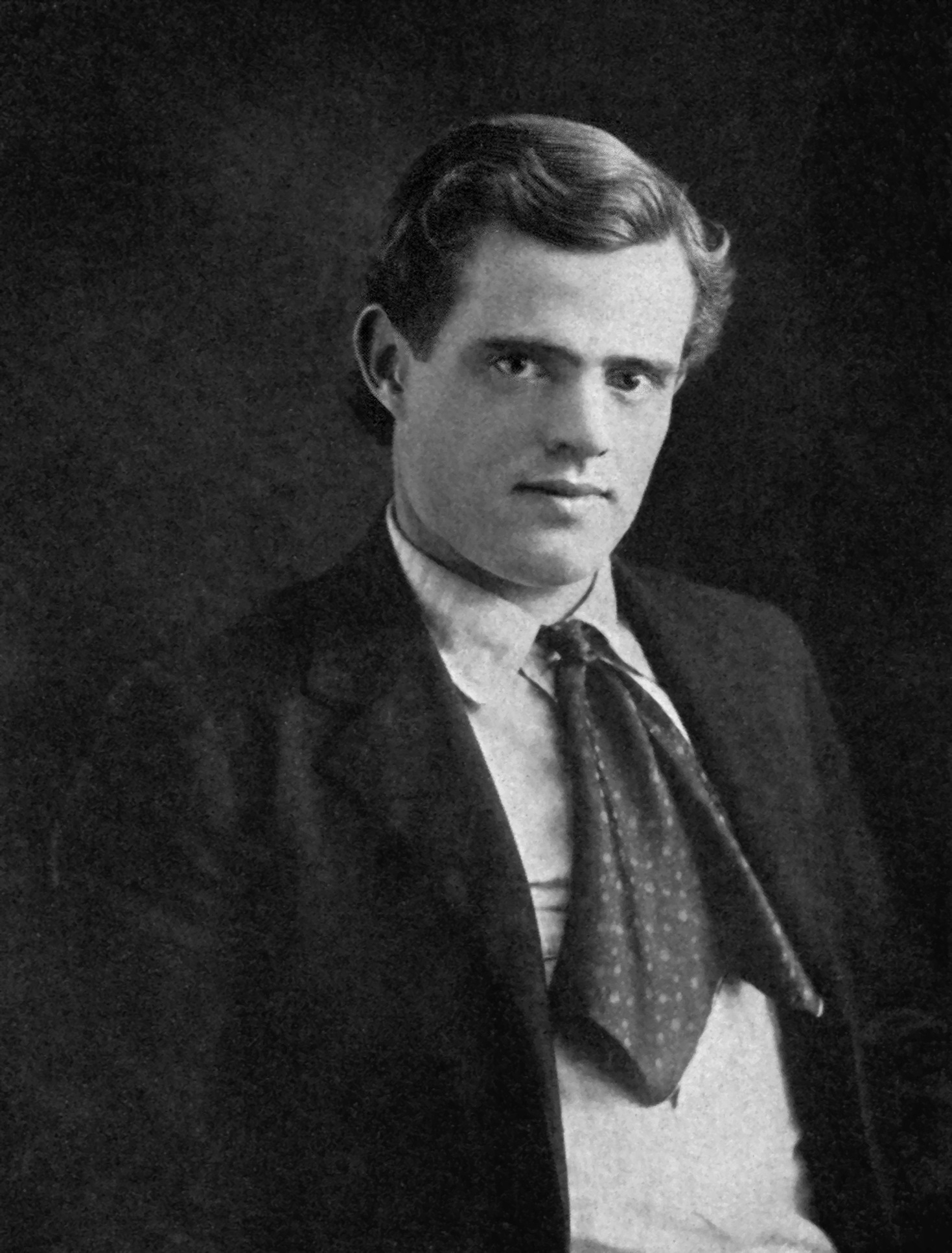
Link to this page
Add a free, dofollow link to Lex on your blog, forum, syllabus, or reading list.

<a href="https://lex-books.com/author/norman-lindsay"><img src="https://lex-books.com/badges/read-on-lex.svg" alt="Norman Lindsay on Lex" width="160" height="40"></a>[](https://lex-books.com/author/norman-lindsay)[url=https://lex-books.com/author/norman-lindsay][img]https://lex-books.com/badges/read-on-lex.svg[/img][/url]Norman Lindsay on Lex: https://lex-books.com/author/norman-lindsay