
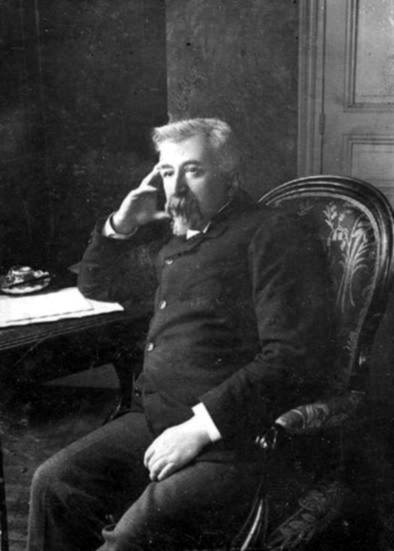
Max von Gruber
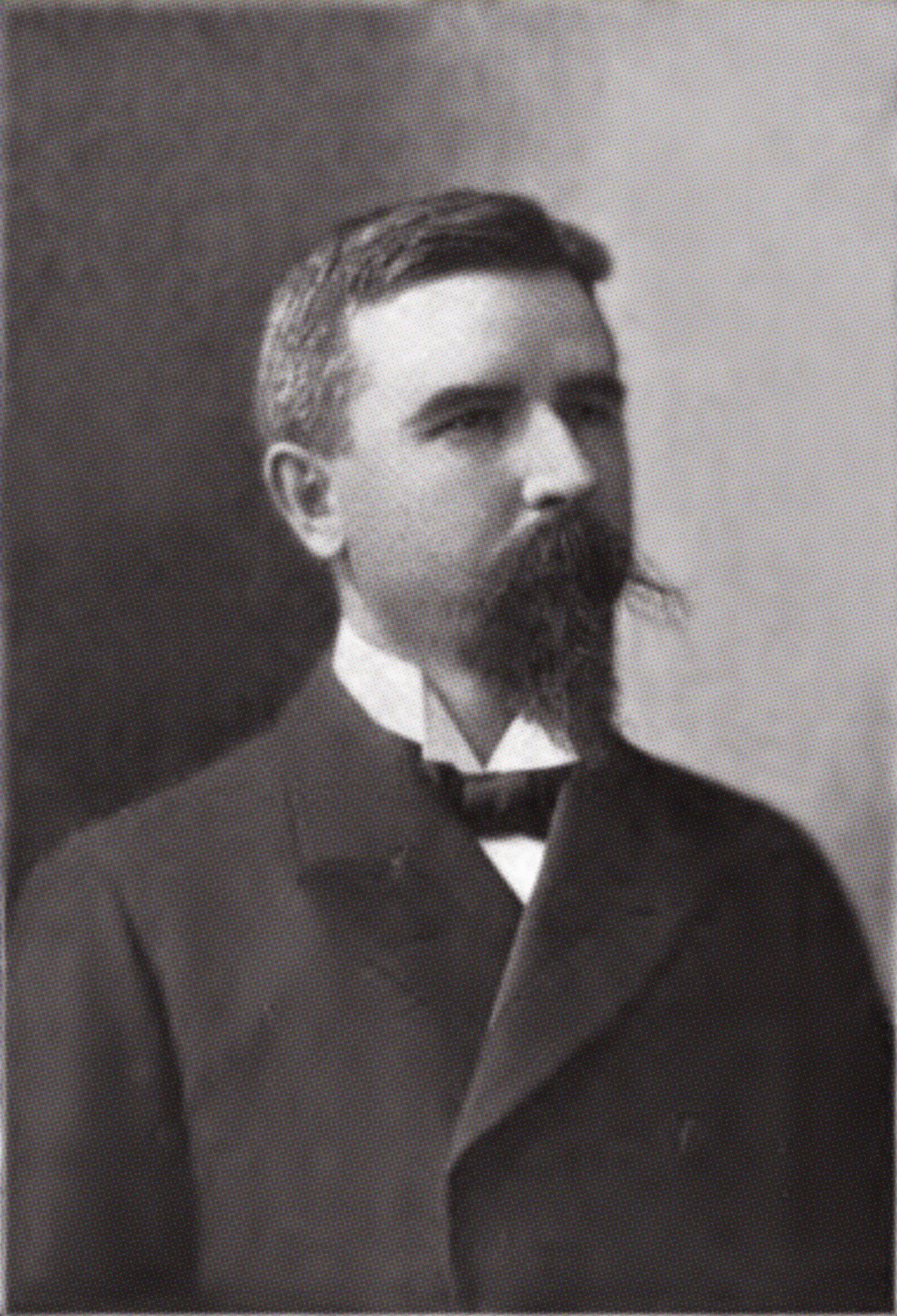
Max von Gruber was an influential Austrian bacteriologist and eugenicist, renowned for his contributions to the fields of hygiene and bacteriology. Born into a medical family in Vienna, he pursued his medical studies at the University of Vienna, earning his doctorate in 1876. Gruber's scientific career was marked by his collaboration with English bacteriologist Herbert Durham, leading to the discovery of the Gruber-Widal reaction in 1896, a significant advancement in the diagnosis of typhoid fever. His research emphasized the variability of bacteria, a concept that played a crucial role in differentiating bacterial species, particularly in his studies of cholera vibrios. Beyond his bacteriological work, Gruber's interests extended to hygiene and the complexities of sexual life, reflecting the broader scientific inquiries of his time. He was influenced by prominent figures in the field, such as Max von Pettenkofer and Karl Ludwig, and his findings contributed to the understanding of bacterial behavior and its implications for public health. Gruber's legacy lies in his pioneering research that laid the groundwork for future studies in bacteriology and hygiene, marking him as a notable figure in the scientific community of the late 19th and early 20th centuries.
Books from the author


Link to this page
Add a free, dofollow link to Lex on your blog, forum, syllabus, or reading list.

<a href="https://lex-books.com/author/max-von-gruber"><img src="https://lex-books.com/badges/read-on-lex.svg" alt="Max von Gruber on Lex" width="160" height="40"></a>[](https://lex-books.com/author/max-von-gruber)[url=https://lex-books.com/author/max-von-gruber][img]https://lex-books.com/badges/read-on-lex.svg[/img][/url]Max von Gruber on Lex: https://lex-books.com/author/max-von-gruber