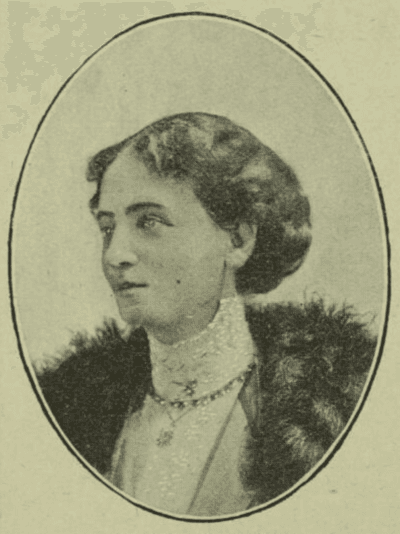
Mary Grant Bruce
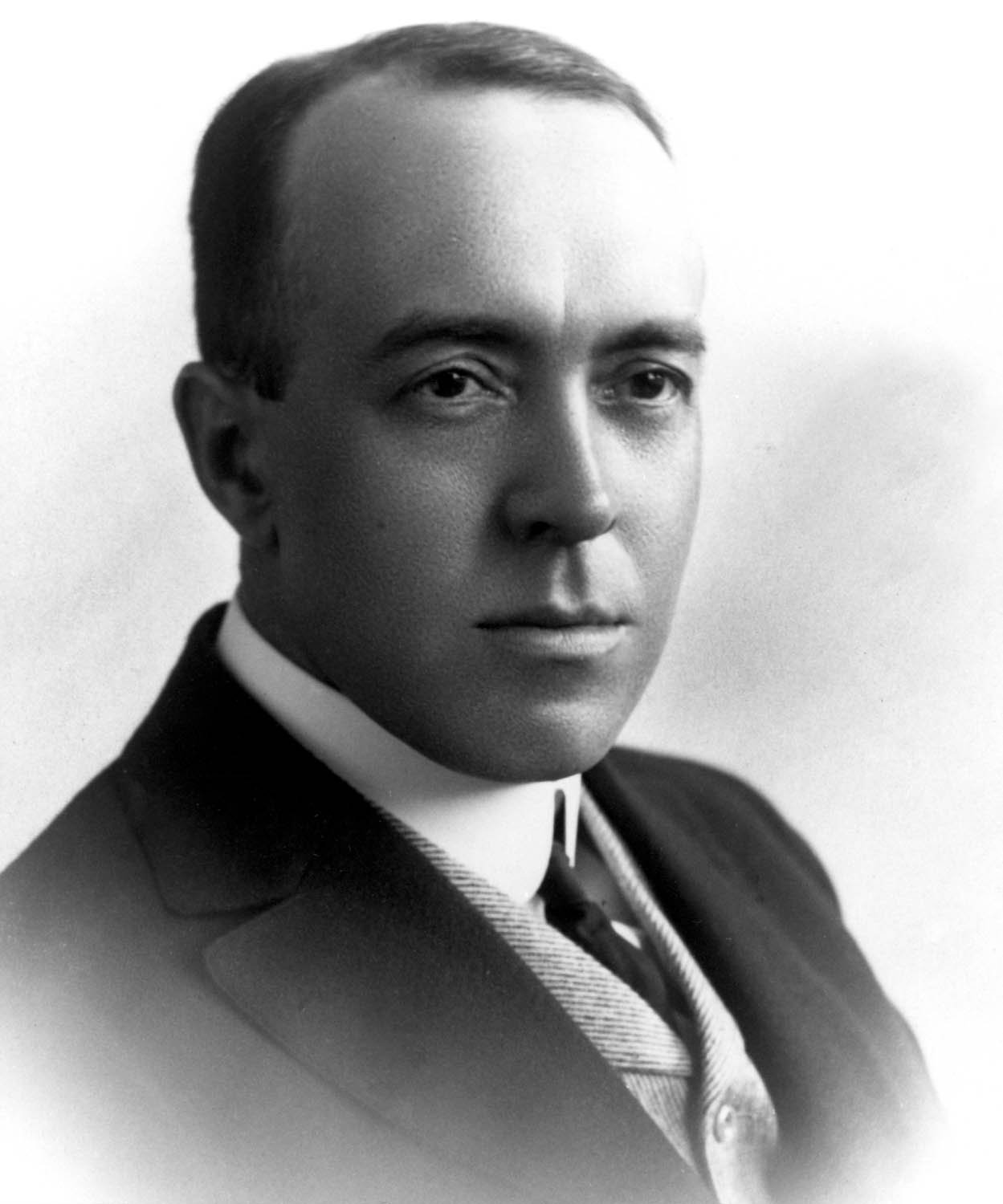
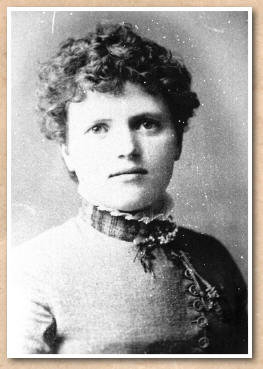
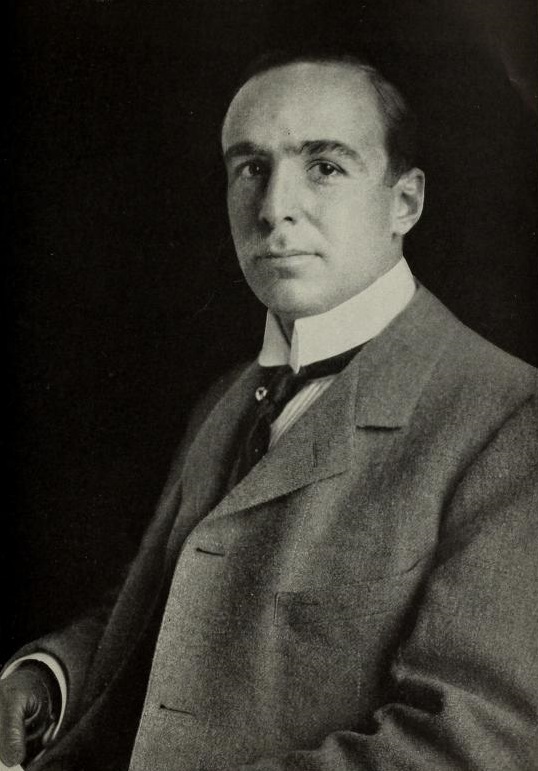
Mary Grant Bruce, originally named Minnie Grant Bruce, was an Australian children's author and journalist whose works significantly shaped the literary landscape of early 20th-century Australia. Best known for her beloved Billabong series, she chronicled the adventures of the Linton family on Billabong Station, weaving tales that spanned from the Australian bush to England and Ireland during World War I. With a total of thirty-seven books to her name, Bruce's writing resonated with readers both in Australia and abroad, particularly in the United Kingdom, where her vivid storytelling and relatable characters found a warm reception. Bruce's literary contributions were marked by a fierce patriotism and a deep appreciation for the Australian landscape. Her narratives often celebrated the values of independence, hard work, and camaraderie, encapsulating the spirit of the ANZAC and the essence of Bush life. Through her humorous and colloquial dialogue, she not only entertained but also fostered a sense of national identity, reflecting the complexities of settlement and the bittersweet transformation of the Australian wilderness. Her influence extended beyond mere storytelling, as she championed the virtues of the Bush against the backdrop of urban and British values, leaving a lasting legacy in the realm of Australian literature.
Famous Quotes
View all 2 quotes“Mates such as they must stand by one another”
“Oh, there are times, Miss Norah, when I talk to myself--which is bad--or yarn to old Turpentine, my snake, just to hear the sound of words again.”
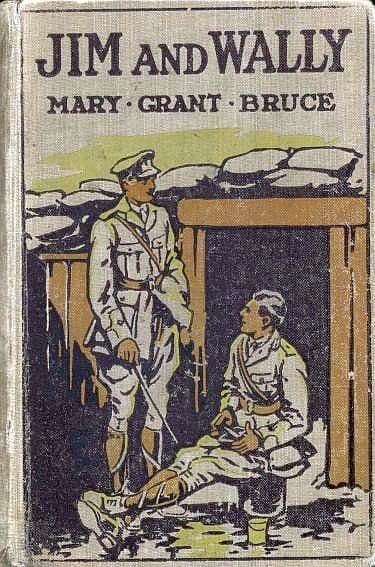
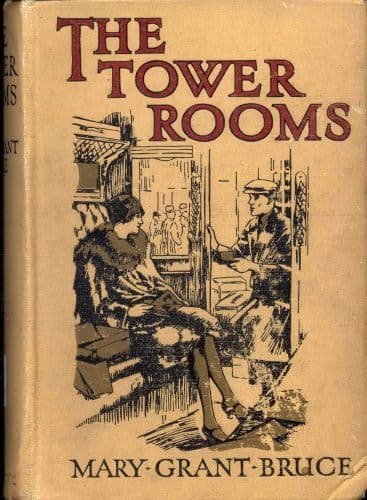
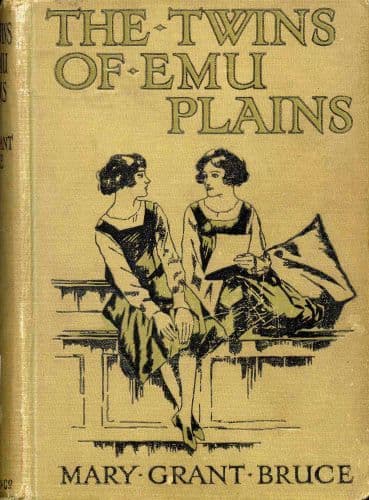
Books from the author

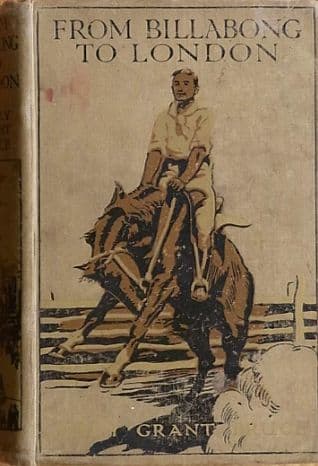

Link to this page
Add a free, dofollow link to Lex on your blog, forum, syllabus, or reading list.

<a href="https://lex-books.com/author/mary-grant-bruce"><img src="https://lex-books.com/badges/read-on-lex.svg" alt="Mary Grant Bruce on Lex" width="160" height="40"></a>[](https://lex-books.com/author/mary-grant-bruce)[url=https://lex-books.com/author/mary-grant-bruce][img]https://lex-books.com/badges/read-on-lex.svg[/img][/url]Mary Grant Bruce on Lex: https://lex-books.com/author/mary-grant-bruce