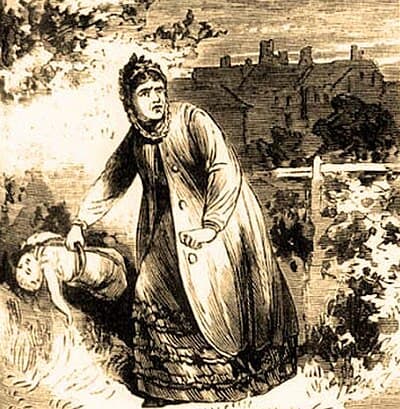
Margaret Waters
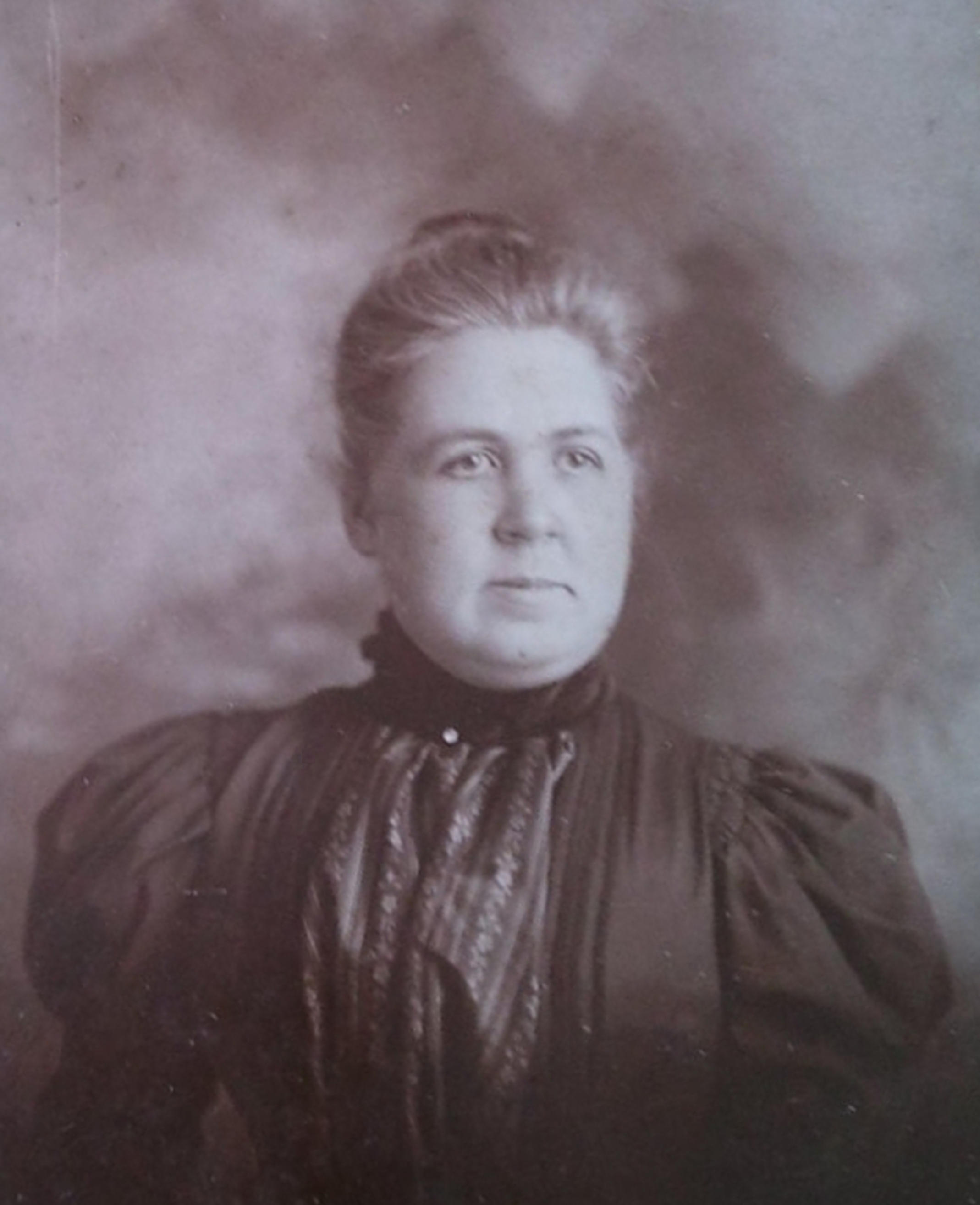
Margaret Waters, known as Willis, was an English woman infamous for her involvement in the dark practice of baby farming during the 19th century. Born in Brixton in 1835, she took in infants from desperate mothers for a fee, but her methods were tragically nefarious. Waters is believed to have murdered at least 19 children, drugging and starving them while neglecting their basic needs. Her heinous actions came to light when she was charged with five counts of wilful murder, culminating in the conviction for the death of an infant named John Walter Cowen. This case also implicated her sister, Sarah Ellis, who was sentenced for her role in the fraudulent scheme that enabled their crimes. Waters' trial and subsequent execution on October 11, 1870, by the notorious executioner William Calcraft, drew significant public attention and outrage. Her case highlighted the grim realities of baby farming, a practice that exploited vulnerable women and exposed the failures of social welfare systems of the time. The sensational nature of her crimes and the grim details of her trial contributed to a growing discourse on child welfare and the legal responsibilities of caregivers, marking her as a notorious figure in Victorian criminal history. Waters' legacy serves as a chilling reminder of the darker aspects of human desperation and the societal issues surrounding motherhood and child protection in the 19th century.
Famous Quotes
View all 20 quotes“Water does not resist. Water flows. When you plunge your hand into it, all you feel is a caress. Water is not a solid wall, it will not stop you. But water always goes where it wants to go, and nothing in the end can stand against it. Water is patient. Dripping water wears away a stone. Remember that, my child. Remember you are half water. If you can't go through an obstacle, go around it. Water does.””
“You don't look back along time but down through it, like water. Sometimes this comes to the surface, sometimes that, sometimes nothing. Nothing goes away.””
“Canadians are fond of a good disaster, especially if it has ice, water, or snow in it. You thought the national flag was about a leaf, didn't you? Look harder. It's where someone got axed in the snow.””
Books from the author



Link to this page
Add a free, dofollow link to Lex on your blog, forum, syllabus, or reading list.

<a href="https://lex-books.com/author/margaret-waters"><img src="https://lex-books.com/badges/read-on-lex.svg" alt="Margaret Waters on Lex" width="160" height="40"></a>[](https://lex-books.com/author/margaret-waters)[url=https://lex-books.com/author/margaret-waters][img]https://lex-books.com/badges/read-on-lex.svg[/img][/url]Margaret Waters on Lex: https://lex-books.com/author/margaret-waters