
Luisa Tetrazzini
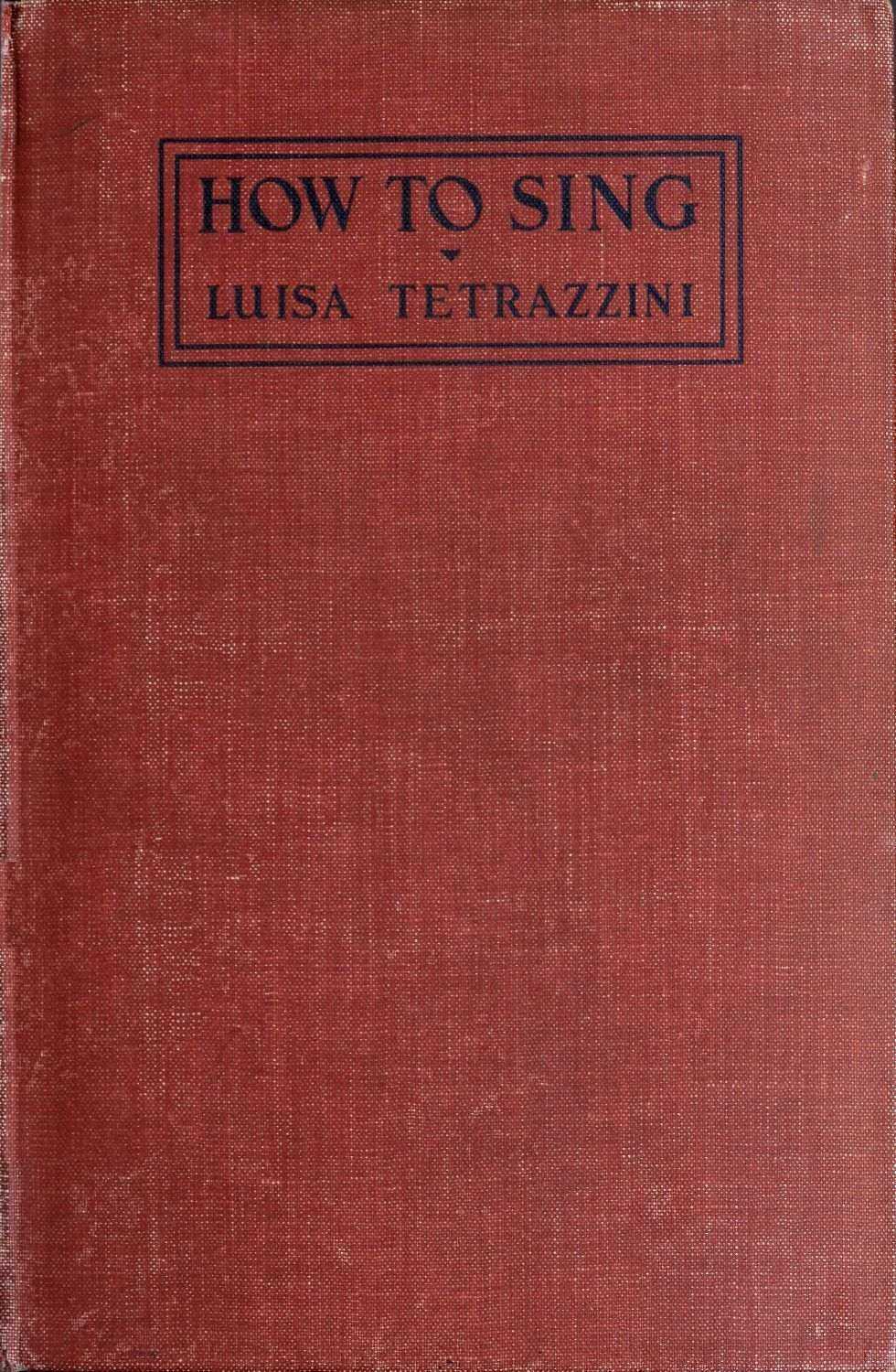
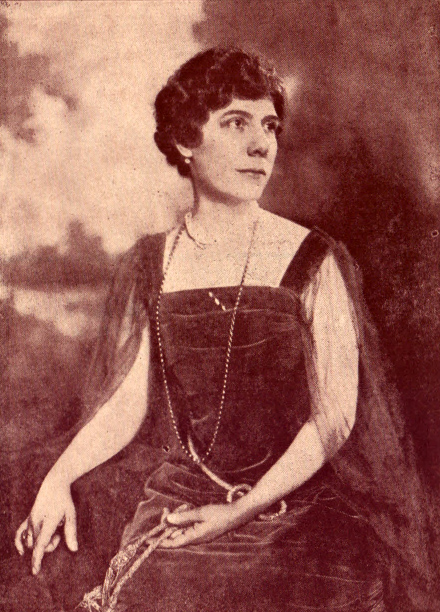
Luisa Tetrazzini was an acclaimed Italian coloratura soprano, celebrated for her extraordinary vocal talent and dynamic stage presence. Born in Florence, she rose to international prominence in the late 19th and early 20th centuries, captivating audiences in both Europe and America. Tetrazzini's voice was noted for its brilliant timbre, remarkable range, and agility, allowing her to perform complex operatic roles with ease. Her career flourished during a time when opera was a central cultural force, and she became a leading figure in the genre, known for her performances in operas such as 'Lucia di Lammermoor' and 'La Traviata'. Beyond her operatic achievements, Tetrazzini left a lasting legacy through her recordings, which continue to showcase her vocal prowess. She also authored a memoir, 'My Life of Song', in 1921, providing insight into her experiences and the world of opera. In 1923, she published 'How to Sing', a treatise that reflected her deep understanding of vocal technique. After retiring from the stage, she dedicated herself to teaching voice in Milan and Rome, influencing a new generation of singers until her passing in 1940. Tetrazzini's contributions to music and her remarkable artistry have solidified her place in the history of opera.
Famous Quotes
View all 3 quotes“I am inclined to condemn the use of spirits, whisky in particular, which is so prevalent in the Anglo-Saxon countries, for it is sure to inflame the delicate little ribbons of tissue which produce the singing tone and then—addio to a clear and ringing high C!”
“A soft note which is taken with the "head voice" without being supported by a breath taken from the diaphragm is a helpless sort of thing.”
“In the practice of slow breathing make sure that the lungs are as nearly emptied as possible on the expulsion of the breath before beginning a new inspiration, as this gives extra impetus to the fresh supply of air and strengthens all the breathing muscles. If this is not done, moreover, the effect is like two people trying to get in and out of the same narrow door at the same time.”
Books from the author



Link to this page
Add a free, dofollow link to Lex on your blog, forum, syllabus, or reading list.

<a href="https://lex-books.com/author/luisa-tetrazzini"><img src="https://lex-books.com/badges/read-on-lex.svg" alt="Luisa Tetrazzini on Lex" width="160" height="40"></a>[](https://lex-books.com/author/luisa-tetrazzini)[url=https://lex-books.com/author/luisa-tetrazzini][img]https://lex-books.com/badges/read-on-lex.svg[/img][/url]Luisa Tetrazzini on Lex: https://lex-books.com/author/luisa-tetrazzini