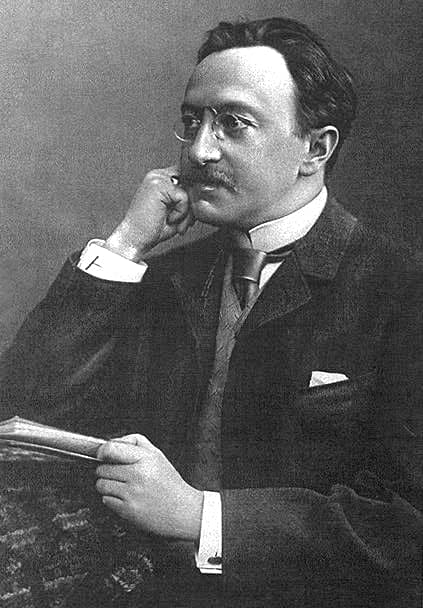
Ludwig Fulda
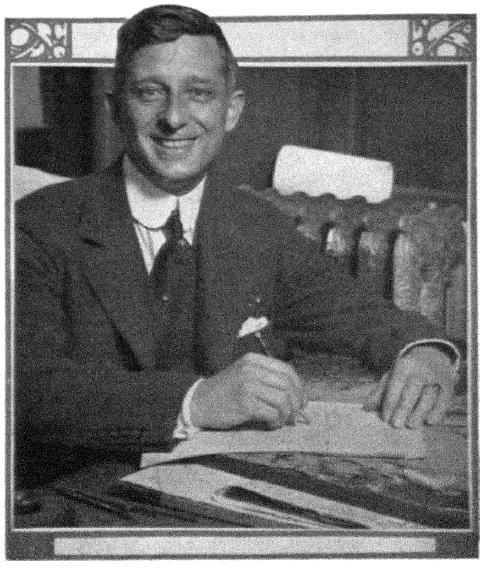
Ludwig Fulda was a prominent German playwright and poet known for his strong social commitment and innovative contributions to the theater. Born in 1862, he became a significant figure in the literary scene of his time, often addressing social issues and the human condition through his works. Fulda's plays, such as 'Der Talisman' and 'Die Ehre,' showcased his ability to blend humor with serious themes, reflecting the complexities of society and the struggles of individuals within it. His writing often challenged the status quo, making him a notable voice in the cultural landscape of early 20th-century Germany. In addition to his theatrical accomplishments, Fulda's poetry also garnered attention for its emotional depth and lyrical quality. His works not only entertained but also provoked thought and discussion on pressing social matters, establishing him as a socially conscious artist. Fulda's legacy endures through his influence on subsequent generations of playwrights and poets, as well as his contributions to the development of modern German theater, where his blend of comedy and social critique paved the way for future explorations of similar themes in literature and performance.
Books from the author



Link to this page
Add a free, dofollow link to Lex on your blog, forum, syllabus, or reading list.

<a href="https://lex-books.com/author/ludwig-fulda"><img src="https://lex-books.com/badges/read-on-lex.svg" alt="Ludwig Fulda on Lex" width="160" height="40"></a>[](https://lex-books.com/author/ludwig-fulda)[url=https://lex-books.com/author/ludwig-fulda][img]https://lex-books.com/badges/read-on-lex.svg[/img][/url]Ludwig Fulda on Lex: https://lex-books.com/author/ludwig-fulda