
Lucio D'Ambra
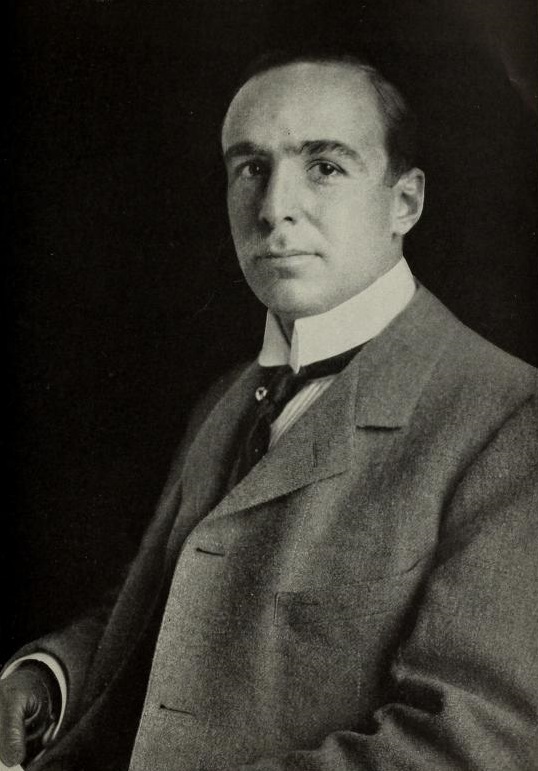
Lucio D'Ambra, born Renato Manganella, was an influential Italian writer and film director whose career spanned both literature and cinema. He began his journey in the arts as a journalist and novelist, adopting the pen name D'Ambra to distinguish his literary contributions. His passion for film led him to write screenplays anonymously starting in 1911, and by 1916, he had established his own production company, directing over twenty films. His silent comedies were particularly notable, drawing favorable comparisons to the works of German filmmaker Ernst Lubitsch, showcasing his ability to blend humor with sophisticated storytelling. Despite the success of his films, D'Ambra's production company was absorbed by Unione Cinematografica Italiana in 1922, marking a turning point in his career. Although he stepped back from regular filmmaking, he continued to contribute to the industry through screenplays. In 1937, he published his memoirs, providing a unique glimpse into the early days of Italian cinema and his experiences within it. D'Ambra's legacy lies in his dual impact on both literature and film, capturing the spirit of an era that shaped modern Italian culture.
Books from the author


Link to this page
Add a free, dofollow link to Lex on your blog, forum, syllabus, or reading list.

<a href="https://lex-books.com/author/lucio-dambra"><img src="https://lex-books.com/badges/read-on-lex.svg" alt="Lucio D'Ambra on Lex" width="160" height="40"></a>[](https://lex-books.com/author/lucio-dambra)[url=https://lex-books.com/author/lucio-dambra][img]https://lex-books.com/badges/read-on-lex.svg[/img][/url]Lucio D'Ambra on Lex: https://lex-books.com/author/lucio-dambra