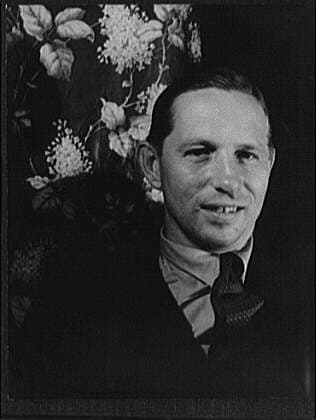
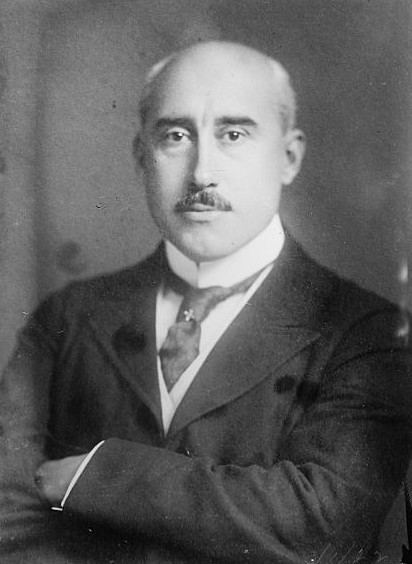
Louis Bromfield
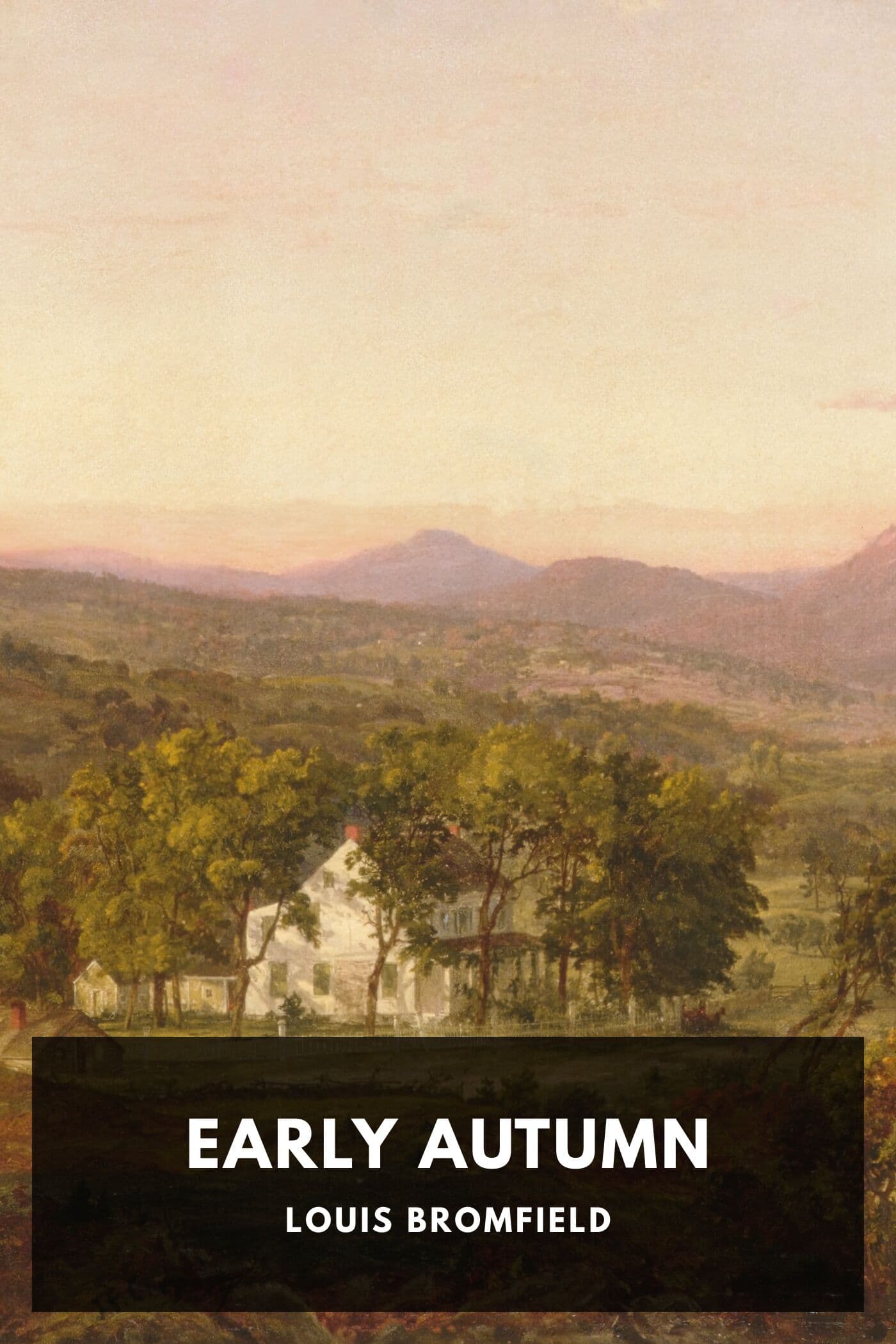
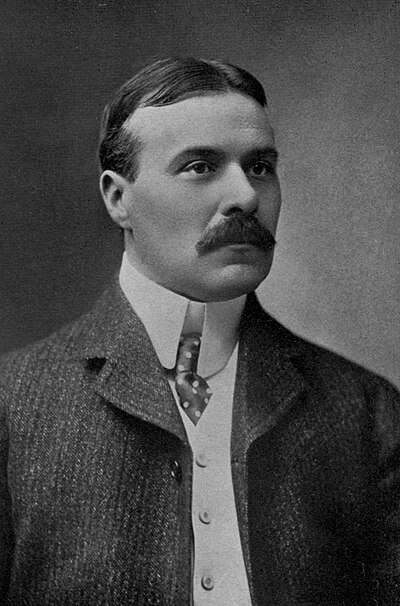
Louis Bromfield was an influential American writer and conservationist, best known for his bestselling novels in the 1920s. His literary career peaked with the Pulitzer Prize-winning novel, Early Autumn, which showcased his talent for capturing the complexities of human relationships and the American landscape. Bromfield's works often reflected his deep appreciation for nature and the rural experience, making him a significant voice in American literature during his time. In the late 1930s, Bromfield transitioned from novelist to farmer, establishing Malabar Farm in Ohio, where he became a pioneering advocate for sustainable and organic agriculture. His commitment to environmental stewardship and innovative farming practices positioned him as a key figure in the early environmental movement. Through both his literary and agricultural endeavors, Bromfield left a lasting legacy that emphasized the importance of harmony between humanity and the natural world, influencing future generations of writers and environmentalists alike.
Famous Quotes
View all 3 quotes“He had a feeling that somewhere in the course of her life something had happened to her, something terrible which in the end had given her a great understanding and clarity of mind. He knew, too, almost at once, on the day she had driven up to the door of the cottage, that she had made a discovery about life which he himself had made long since . . . that there is nothing of such force as the power of a person content merely to be himself, nothing so invincible as the power of simple honesty, nothing so successful as the life of one who runs alone. Somewhere she had learned all this. She was like a woman to whom nothing could ever again happen.”
“...she had come long ago to understand that loneliness was the curse of those who were free, even of all those who rose a little above the level of ordinary humanity.”
“She had turned her back upon them all and no awful fate had overtaken her; instead, she had taken a firm hold upon life and made of it a fine, even glittering, success; and this is a thing which is not easily forgiven.”
Books from the author
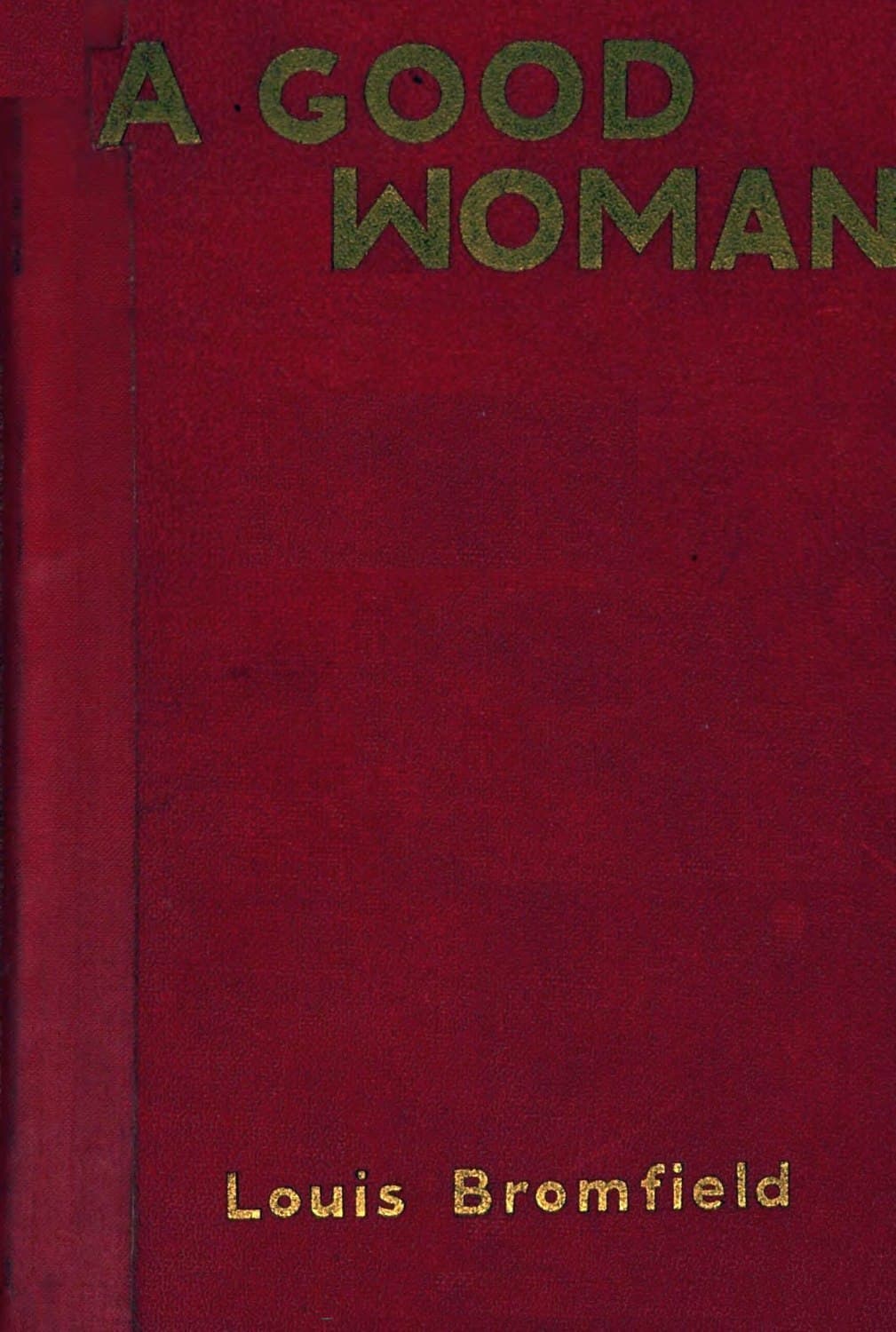





Link to this page
Add a free, dofollow link to Lex on your blog, forum, syllabus, or reading list.

<a href="https://lex-books.com/author/louis-bromfield"><img src="https://lex-books.com/badges/read-on-lex.svg" alt="Louis Bromfield on Lex" width="160" height="40"></a>[](https://lex-books.com/author/louis-bromfield)[url=https://lex-books.com/author/louis-bromfield][img]https://lex-books.com/badges/read-on-lex.svg[/img][/url]Louis Bromfield on Lex: https://lex-books.com/author/louis-bromfield