
Leonard Woolf
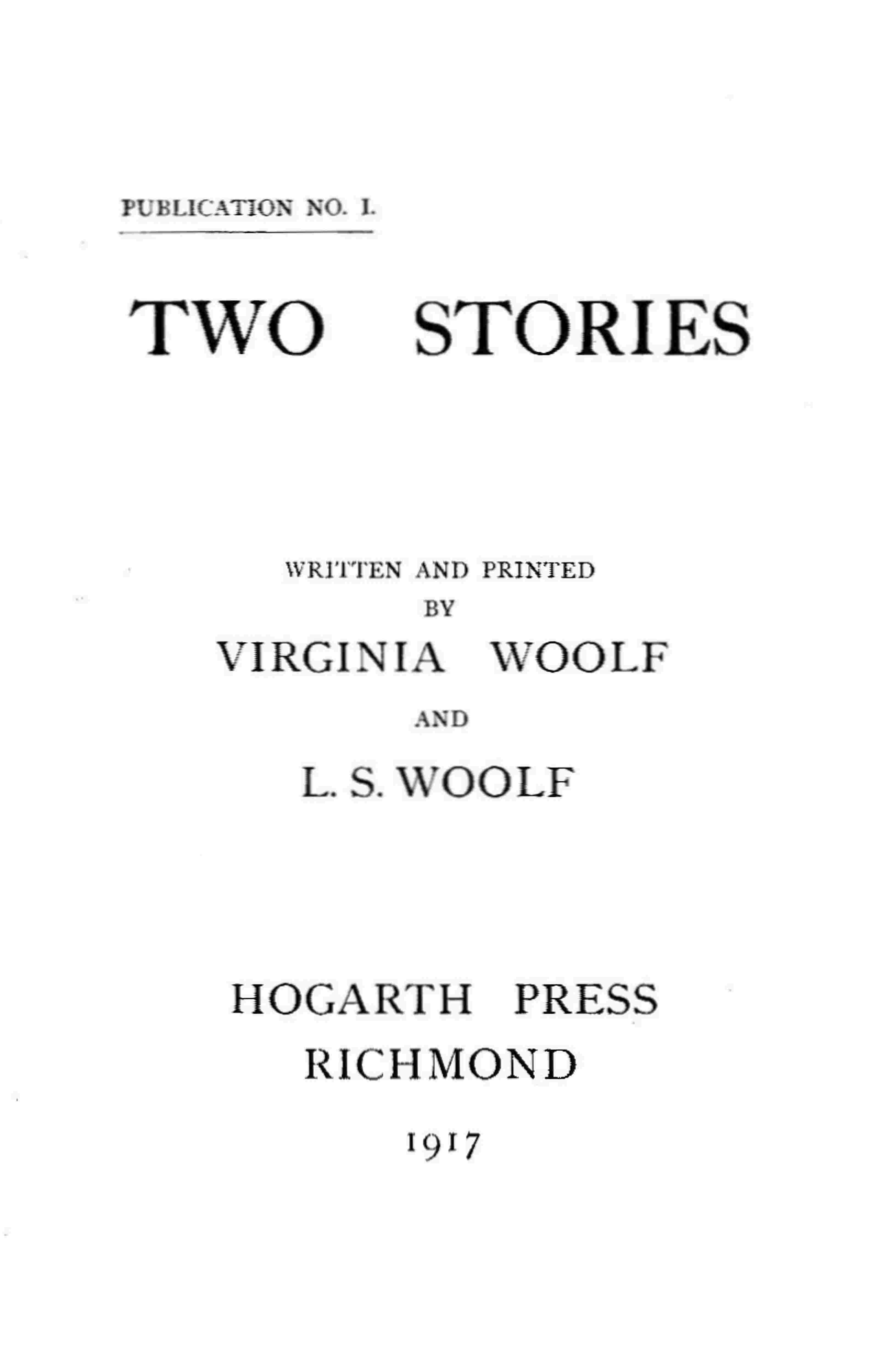
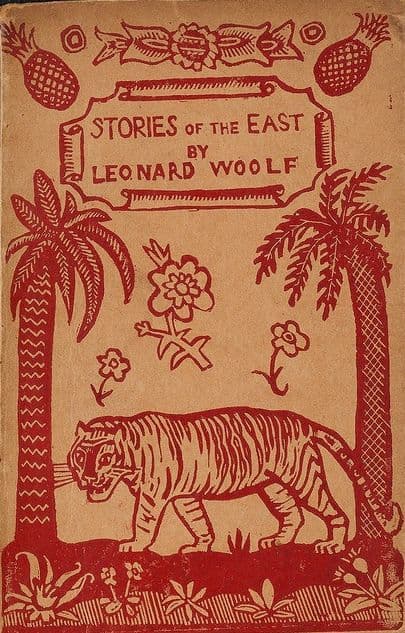
Leonard Woolf was a multifaceted British political theorist, author, and publisher, whose contributions extended beyond his own literary works to the support of his wife, Virginia Woolf. Born into a Jewish family in London, he pursued a career in civil service before becoming deeply involved in political thought as a member of the Labour Party and the Fabian Society. Woolf's literary output included nineteen individual works and six autobiographies, where he explored themes of politics, society, and personal reflection. His notable works, such as 'The Village in the Jungle' and 'Sowing', showcased his commitment to social issues and his unique narrative style. Woolf's significance lies not only in his own writings but also in his role as a publisher and advocate for modernist literature. He founded the Hogarth Press with Virginia, which became a platform for many influential writers of the time, including T.S. Eliot and E.M. Forster. Leonard Woolf's legacy is marked by his intellectual contributions to political theory and literature, as well as his enduring partnership with Virginia, which profoundly shaped the literary landscape of the early 20th century. His works continue to be studied for their insights into the interplay between personal and political narratives.
Famous Quotes
View all 3 quotes“Anyone can be a barbarian; it requires a terrible effort to remain a civilized man.”
“Novels by serious writers of genius often eventually become best-sellers, but most contemporary best-sellers are written by second-class writers whose psychological brew contains a touch of naïvety, a touch of sentimentality, the story-telling gift, and a mysterious sympathy with the day-dreams of ordinary people.”
“Nothing matters. You get yourself into a state in which you imagine things which have no basis in reality... One begins for some reason to worry about something and, if one allows oneself to go on doing that, one gradually imagines all kinds of things. It is a kind of self-indulgence and one gets into a perpetual daydream. It is essential to stop this process and face the real world -- which is never so bad as all that.”
Books from the author

Link to this page
Add a free, dofollow link to Lex on your blog, forum, syllabus, or reading list.

<a href="https://lex-books.com/author/leonard-woolf"><img src="https://lex-books.com/badges/read-on-lex.svg" alt="Leonard Woolf on Lex" width="160" height="40"></a>[](https://lex-books.com/author/leonard-woolf)[url=https://lex-books.com/author/leonard-woolf][img]https://lex-books.com/badges/read-on-lex.svg[/img][/url]Leonard Woolf on Lex: https://lex-books.com/author/leonard-woolf