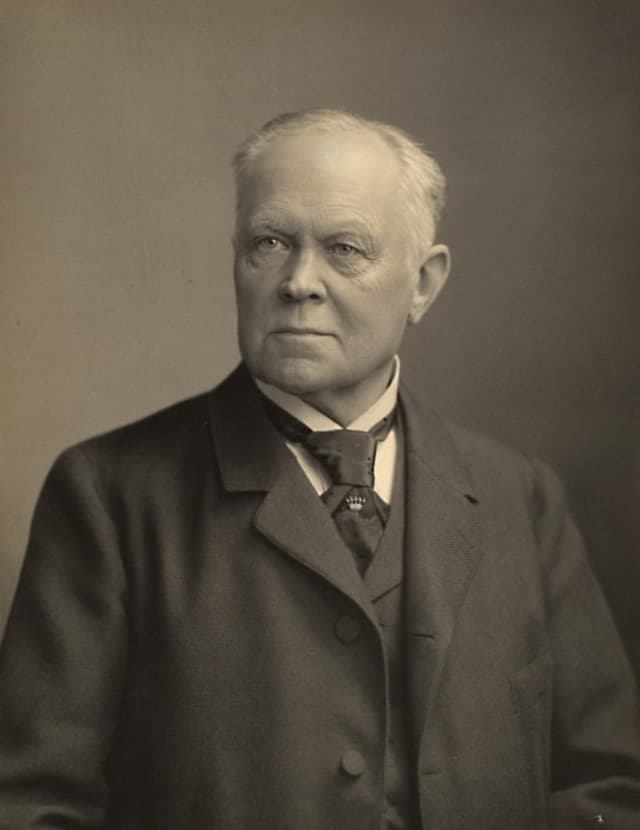
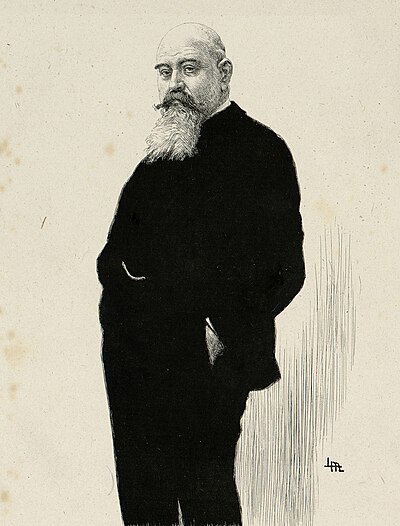
Kuno Fischer
Kuno Fischer was a prominent German philosopher and historian of philosophy, known for his critical approach to philosophical texts and his efforts to contextualize philosophical thought within its historical framework. He made significant contributions to the understanding of German idealism, particularly through his analyses of figures such as Immanuel Kant, Georg Wilhelm Friedrich Hegel, and Arthur Schopenhauer. Fischer's work emphasized the importance of historical context in philosophical discourse, which helped to shape the study of philosophy in Germany and beyond. Among his notable works are 'Die Philosophie der Geschichte' and 'Die Geschichte der neueren Philosophie', where he explored the evolution of philosophical ideas and their implications for contemporary thought. Fischer's scholarship was characterized by a rigorous methodology and a commitment to clarity, making complex philosophical ideas accessible to a broader audience. His legacy lies in his role as a bridge between classical philosophy and modern philosophical inquiry, influencing both his contemporaries and future generations of philosophers and historians.
Books from the author








Link to this page
Add a free, dofollow link to Lex on your blog, forum, syllabus, or reading list.

<a href="https://lex-books.com/author/kuno-fischer"><img src="https://lex-books.com/badges/read-on-lex.svg" alt="Kuno Fischer on Lex" width="160" height="40"></a>[](https://lex-books.com/author/kuno-fischer)[url=https://lex-books.com/author/kuno-fischer][img]https://lex-books.com/badges/read-on-lex.svg[/img][/url]Kuno Fischer on Lex: https://lex-books.com/author/kuno-fischer