
Klabund
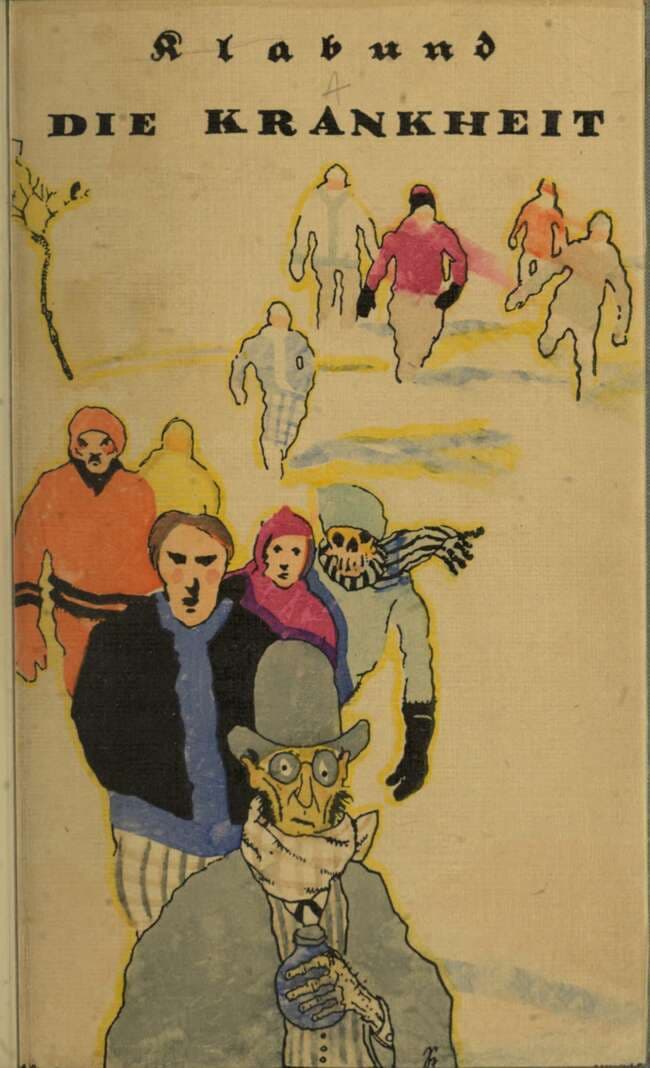
Klabund, the pen name of Alfred Henschke, was a German writer and poet known for his innovative and often provocative literary style. Born in 1890, he emerged as a significant figure in the early 20th-century German literary scene, contributing to various genres including poetry, prose, and drama. His works often reflected the tumultuous socio-political climate of his time, marked by the aftermath of World War I and the cultural shifts of the Weimar Republic. Notable among his writings are 'Die Krankheit: Eine Erzählung,' a narrative exploring themes of illness and existential despair, and 'Moreau, Roman eines Soldaten,' which delves into the psyche of a soldier, highlighting the psychological scars of war. His collection 'Kunterbuntergang des Abendlandes. Grotesken' showcases his penchant for grotesque humor and social critique, while 'Deutsche Literaturgeschichte in einer Stunde' offers a unique take on German literary history, reflecting his sharp wit and intellectual engagement with literature. Klabund's literary significance lies in his ability to blend elements of expressionism with a keen awareness of contemporary issues, making his work both relevant and thought-provoking. His exploration of themes such as identity, war, and societal decay resonated with readers and influenced later generations of writers. Despite his relatively short life, ending in 1928, Klabund's contributions to German literature remain noteworthy, as he captured the complexities of human experience during a period of great change and uncertainty.
Books from the author



Link to this page
Add a free, dofollow link to Lex on your blog, forum, syllabus, or reading list.

<a href="https://lex-books.com/author/klabund"><img src="https://lex-books.com/badges/read-on-lex.svg" alt="Klabund on Lex" width="160" height="40"></a>[](https://lex-books.com/author/klabund)[url=https://lex-books.com/author/klabund][img]https://lex-books.com/badges/read-on-lex.svg[/img][/url]Klabund on Lex: https://lex-books.com/author/klabund