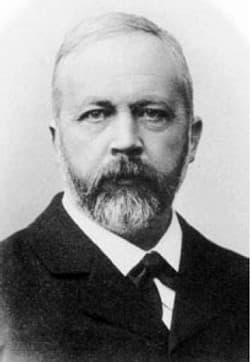
Julius Wellhausen
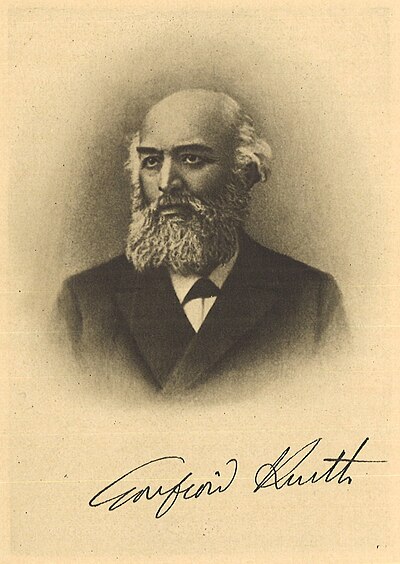
Julius Wellhausen was a prominent German biblical scholar and orientalist whose work significantly shaped modern biblical criticism. Initially focused on Old Testament studies, he later expanded his research to include Islamic studies and New Testament scholarship. Wellhausen is best known for his development of the documentary hypothesis, which posits that the Pentateuch is a compilation of texts from multiple sources rather than a single narrative. This groundbreaking theory revolutionized the understanding of the composition history of the Torah and laid the groundwork for contemporary biblical analysis. In addition to his contributions to Old Testament scholarship, Wellhausen's interest in the formative period of Islam further showcased his wide-ranging scholarly pursuits. His works, including "Prolegomena to the History of Israel" and "The Arab Kingdom and Its Fall," reflect his deep engagement with the historical and cultural contexts of the texts he studied. Wellhausen's legacy endures in the fields of biblical studies and religious history, where his methodologies continue to influence scholars and theologians alike, marking him as a pivotal figure in the evolution of modern biblical criticism.
Books from the author








Link to this page
Add a free, dofollow link to Lex on your blog, forum, syllabus, or reading list.

<a href="https://lex-books.com/author/julius-wellhausen"><img src="https://lex-books.com/badges/read-on-lex.svg" alt="Julius Wellhausen on Lex" width="160" height="40"></a>[](https://lex-books.com/author/julius-wellhausen)[url=https://lex-books.com/author/julius-wellhausen][img]https://lex-books.com/badges/read-on-lex.svg[/img][/url]Julius Wellhausen on Lex: https://lex-books.com/author/julius-wellhausen